

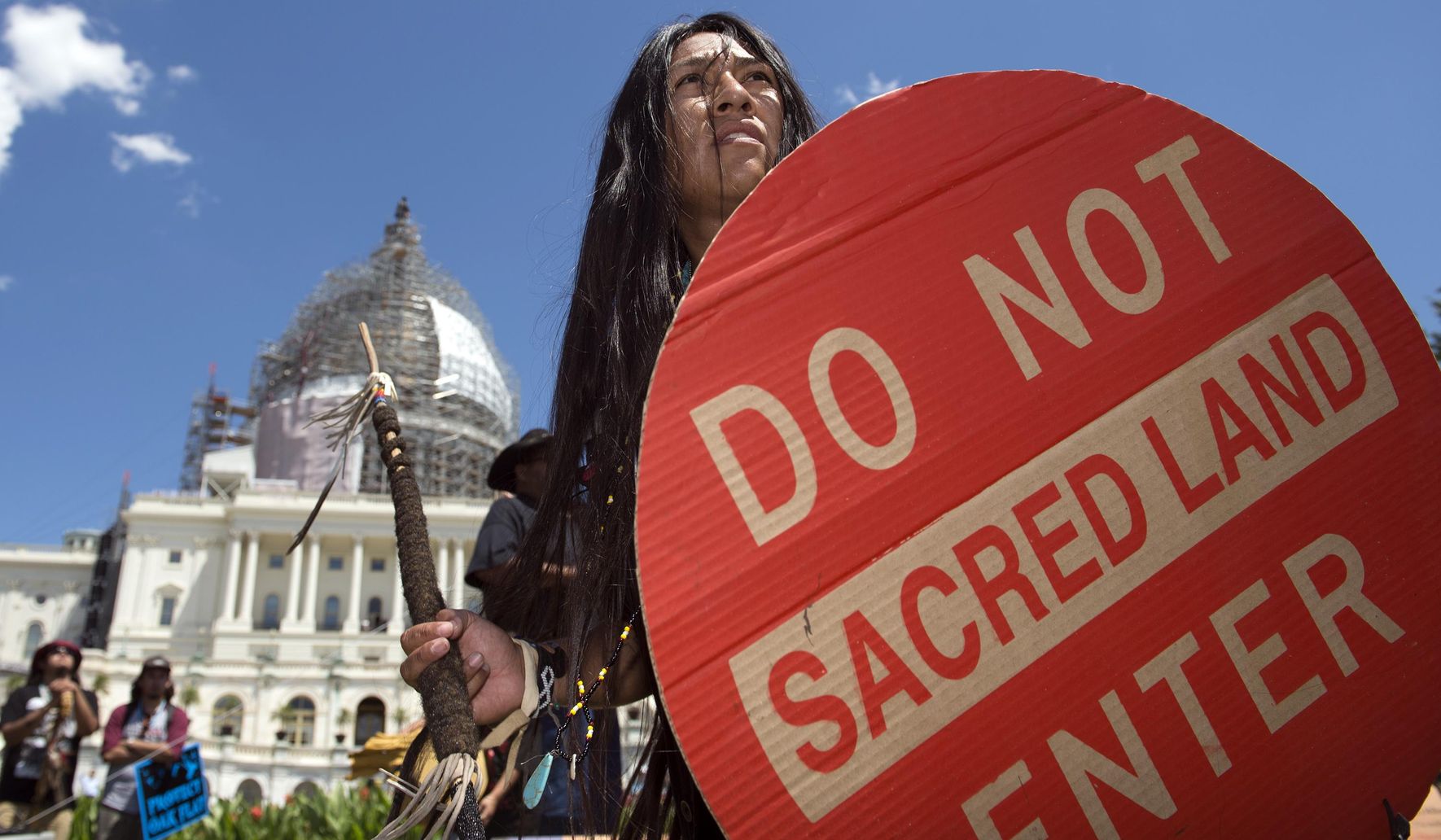
Members of the Western Apache tribe went to the Supreme Court on Monday asking for an emergency order to stop a proposed land transfer to a mining company, arguing the transfer would destroy a sacred tribal place.
The legal move landed at the highest court fast because the tribe says time is critical and the consequences are irreversible. They asked for an immediate stay to halt the paperwork and any work that could begin while lower court appeals continue. The request frames the dispute as one where religious practice and cultural survival are at stake.
From a Republican viewpoint, courts must apply the law without getting swept up in emotions on either side. The system exists to weigh claims, evidence, and legal standards like irreparable harm and likelihood of success on the merits. That means the justices should review whether the emergency criteria are met and avoid substituting policy preferences for legal analysis.
The tribe’s core claim is straightforward: a transfer of federal land to private hands for mining would damage a place they call sacred. Courts often consider such claims carefully because religious exercise and cultural resources are protected by statutes and constitutional principles. The legal test for emergency relief, however, remains a high bar and requires clear proof that waiting will cause harm that cannot be fixed later.
Opposing interests argue that transfers and permits are part of predictable land management and economic planning. Mining projects can promise jobs, tax revenue, and minerals that support broader infrastructure and industry. Those are real stakes for local communities and for national resource needs, so courts must weigh both cultural protections and economic impacts in a balanced way.
Federal trusteeship complicates matters. When the government proposes to transfer land, it is supposed to follow statutory procedures, environmental reviews, and sometimes negotiated agreements. Republicans typically emphasize honoring existing legal frameworks and property rights while ensuring that any exemptions or special rules are narrowly applied and transparent.
Religious freedom is a central consideration in this case, but it does not automatically dictate the outcome. The courts evaluate how a proposed change would burden practice and whether legal remedies short of an emergency stay could prevent irreparable harm. A careful review can protect religious exercise without upending settled property processes unless the law clearly supports immediate relief.
Emergency relief also raises federalism questions about who should decide local land use and how much deference federal agencies receive. Republicans often support local decision-making and predictable permitting regimes so businesses and residents can plan. At the same time, the federal government has a duty to respect tribal interests and treaty obligations where they clearly apply.
Litigation of this sort usually focuses on a few narrow legal points rather than broad policy pronouncements. Plaintiffs must show a plausible likelihood of success on the merits and that they will suffer irreparable injury absent relief. Defendants counter by showing harm from delay and by arguing that the normal appeals process can resolve disputes without emergency intervention.
The Supreme Court’s docket is crowded, so emergency applications are rarely granted unless the case presents an urgent, legally clean question. If the court takes the matter, its order could pause agency actions and preserve the status quo while judges and agencies sort out the bigger issues. Denial, on the other hand, would let the transfer move forward pending further litigation.
This dispute underscores larger tensions between development and cultural preservation that surface across the West. Both sides raise legitimate concerns: tribes seeking protection for sacred places, and communities or companies citing jobs and legal expectations. A durable solution requires law-based decisions that respect religious practice while recognizing the role of law and regulatory process.
The practical path forward will depend on legal findings and the willingness of parties to pursue negotiated outcomes when possible. Courts can create breathing room through stays or remands while urging agencies to consult and accommodate where the law requires. Republicans would stress enforcing written law, protecting property rights, and ensuring any accommodations are consistent with statutory limits.
Whatever the court decides, this case will be closely watched as an example of how the judiciary balances cultural and economic interests. The immediate question is whether the Supreme Court will step in with an emergency order. The broader question is how law, respect for religious practice, and responsible development can coexist under clear rules and fair procedures.

