

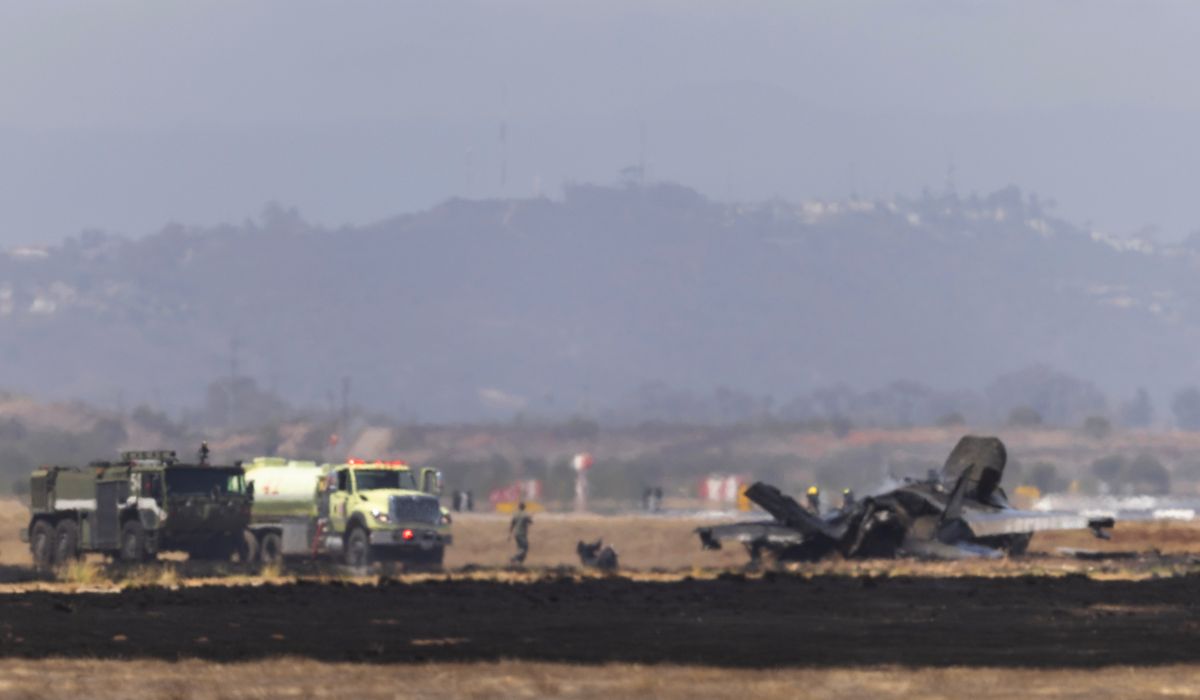
An F-35B fighter jet crashed Friday morning at Marine Corps Air Station Miramar in San Diego, according to local reports. The incident involved the short takeoff and vertical landing variant used by the Marine Corps, and authorities are conducting an on-scene response and preliminary inquiries. Local media accounts and initial statements from base personnel have been cautious with details as investigations proceed. No definitive cause has been announced at this time.
The jet involved was identified as an F-35B, a variant designed for the Marine Corps with vertical landing capability. The crash occurred Friday morning on the Miramar base, which serves as a major aviation hub in San Diego. Local reports described emergency crews moving quickly to secure the area and attend to personnel on site.
Miramar officials and military spokespeople have been brief in public remarks, emphasizing that safety and accountability are priorities. Investigators typically follow strict protocols after any mishap involving military aircraft, gathering flight data, maintenance records, and eyewitness accounts. Those standard procedures are expected to guide the inquiry here as well.
The F-35 program is a cornerstone of modern U.S. military aviation, but any mishap involving advanced fighters draws immediate attention. Pilots fly from well-established squadrons and undergo rigorous training designed to handle emergencies and complex flight regimes. That training, along with base emergency responders, plays a critical role in limiting harm when incidents occur.
Details such as whether the pilot ejected, the condition of the aircrew, or the exact sequence of events have not been fully released in the early reporting. Official updates usually follow once preliminary facts are confirmed and family notifications are complete. Until then, public statements tend to be limited to avoid misinformation and to respect privacy.
Miramar’s operations include a mix of training sorties, carrier qualifications, and routine maintenance cycles that all factor into flight schedules. Any interruption from a crash triggers coordinated responses among base leadership, aviation safety teams, and external investigative agencies. Those units will work to piece together a timeline using recorded flight parameters and maintenance logs.
Neighbors and local authorities sometimes aid in immediate response efforts, and perimeter security measures are standard when dealing with military aviation incidents. Environmental and safety assessments follow to check for hazards like fuel spills or debris fields. The investigation process can take weeks or months, depending on complexity and the need for technical analysis.
As the situation develops, expect formal statements from base command and relevant Marine Corps offices to provide verified details. Community members and media will likely receive updates through those official channels rather than unverified sources. For now, the focus remains on a thorough and methodical review of what led to the crash and on the wellbeing of anyone involved.

