

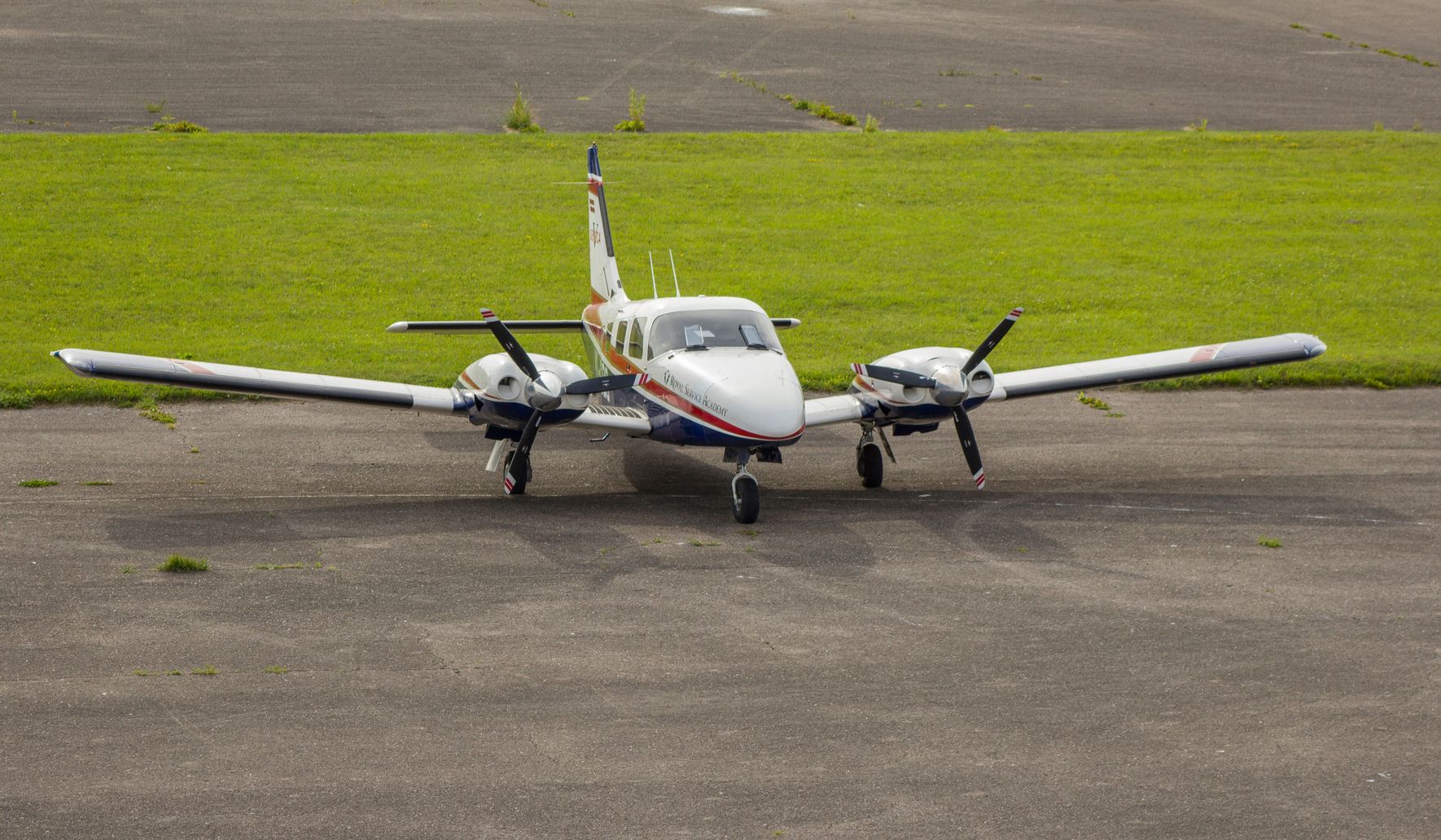
Family members of four Floridians who were on a plane that crashed off the coast of the Bahamas located the victims’ bodies, with recovery happening Tuesday amid ongoing questions about what went wrong.
Family members of four Floridians who were on a plane that crashed off the coast of the Bahamas successfully found the bodies of the victims Tuesday. The discovery brought immediate closure for relatives while opening a new chapter of practical and legal steps to follow. Local authorities are coordinating next moves as families arrange transport and paperwork.
The scene where the plane went down has already become the focus of several agencies and responders, each handling different pieces of a complex job. Divers and search crews typically secure remains, recover debris and map where items were found to help piece together the flight’s final moments. That work takes time and care, and families often wait days for clear information.
When bodies are recovered in international waters, there are multiple steps before return to relatives on U.S. soil, including identification and paperwork across jurisdictions. Forensic teams may conduct autopsies or examinations to confirm identity and cause of death, and families are often given options for how to proceed. The process can be emotionally exhausting, and officials usually try to provide guidance while handling legal requirements.
Investigations into aircraft accidents collect evidence from the wreckage, flight records where available, witness accounts and maintenance history if it is accessible. Investigators aim to establish a factual timeline and determine factors like mechanical failure, weather or human error without jumping to conclusions. Those findings can take weeks or months to emerge and are usually released in stages as investigators confirm details.
Community members and local officials often step in to support grieving families with logistics and immediate needs, from temporary housing to help with travel arrangements. Small practical actions can make a big difference when relatives are far from home and working through shock. Local groups sometimes coordinate donations or counseling services to help with the short-term burden.
Air travel tragedies like this one also prompt questions about safety procedures and aircraft maintenance standards, particularly for flights operating near international boundaries. Regulators and operators may review records, pilot training and aircraft history to understand risks and prevent similar incidents. Public reporting that follows will try to separate speculation from verified findings so families and the public can know what actually happened.
Insurance, estate and repatriation matters will be part of the weeks ahead for the families involved, and those issues usually require documentation that only official channels can provide. Families often work with consular services, employers and insurers to get paperwork moving while balancing grief and other responsibilities. Legal or regulatory advisors can help navigate differences between countries’ requirements.
Media coverage tends to focus on the dramatic moment of discovery, but recovery and investigation are painstaking and procedural, and many people working behind the scenes do not seek attention. That steadier, quieter work includes cataloging recovered parts, logging chain of custody and documenting findings in reports that feed into official conclusions. Those records become crucial for families and for any future safety recommendations.
For the relatives who found the bodies Tuesday, the emotional weight is immediate and raw, and friends and neighbors will likely play a big role in the weeks to come. Practical arrangements like funerals, memorials and travel logistics begin almost at once, and communities often rally to offer help in tangible ways. Those early days set the tone for how families cope, grieve and eventually begin to adjust to their loss.

