

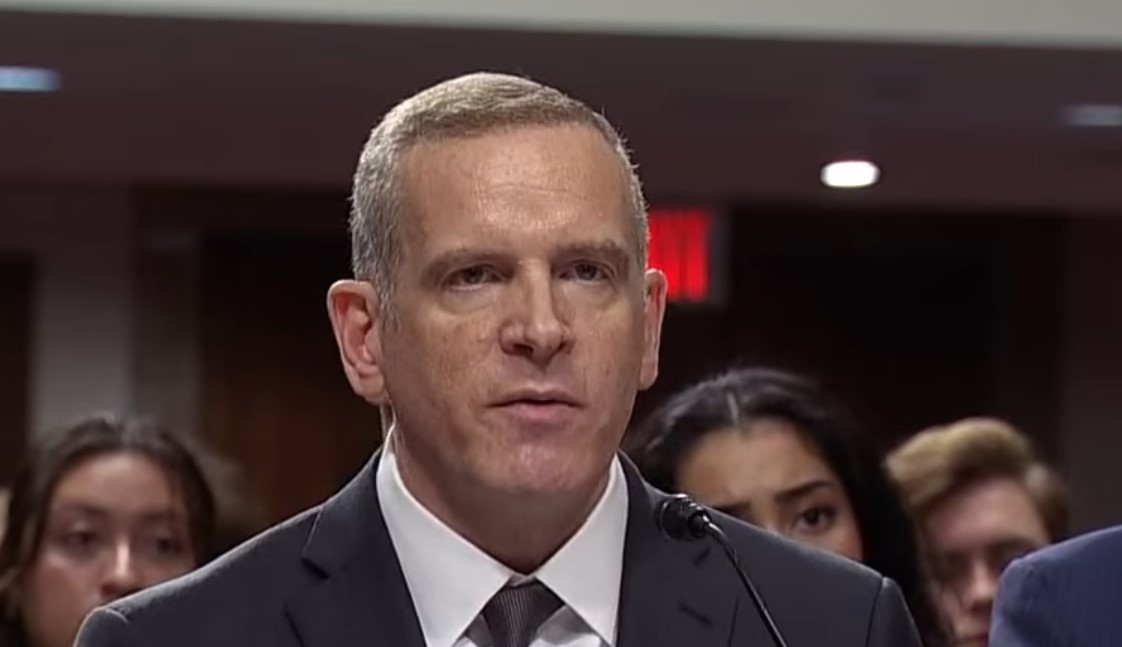
A new whistleblower revelation has rocked the FBI, alleging that Deputy Director Paul Abbate instructed subordinates to conceal the identities of dozens of confidential informants involved in the January 6, 2021, Capitol protest. The reason? Abbate reportedly claimed it would be “too embarrassing” for the bureau if the information became public.
The whistleblower disclosure, detailed during testimony before the House Judiciary Committee, has reignited questions about transparency and political bias within America’s premier law enforcement agency.
The whistleblower, an unnamed FBI agent, testified that at least 25 confidential human sources (CHS) reporting on the January 6 events were deliberately hidden from public acknowledgment. According to the agent, Deputy Director Abbate expressed concern that revealing their identities and roles would be damaging to the FBI’s reputation.
This testimony aligns with a broader pattern of allegations against the FBI, including claims of politically motivated investigations and leadership misconduct. These claims emerged as FBI Director Christopher Wray faced scrutiny from the House Judiciary Committee during a hearing on the agency’s practices.
In a disclosure sent to the committee, the whistleblower alleged that Abbate directed one or more subordinates to ensure the existence, activities, and identities of the informants remained confidential. Abbate reportedly described the situation as “too problematic or embarrassing” for the bureau.
Adding fuel to the fire, the Department of Justice (DOJ) Inspector General released a report last Thursday admitting the presence of at least 26 confidential human sources during the January 6 Capitol protests. These operatives were actively working the crowd, and four of them entered the Capitol building while 13 were in restricted areas.
The DOJ report, however, omitted key details about the number of “undercover employees” and other intelligence operatives present that day. Critics argue that the omission raises more questions than it answers, especially given the scale and scope of government involvement in the protests.
The revelations come amid broader concerns about the FBI’s role in politically sensitive investigations. Critics argue that the bureau’s leadership has repeatedly prioritized optics and political considerations over transparency and accountability.
Julie Kelly, an investigative journalist who has closely followed the January 6 cases, noted that the DOJ’s acknowledgment of undercover operatives likely underestimates the full extent of government involvement. She argued that the report fails to account for additional “cutouts” or operatives from other government agencies embedded in the crowd.
Via Julie Kelly.

This sentiment was echoed by The Gateway Pundit, which has long reported on alleged intelligence operatives infiltrating the January 6 protests. The outlet claims the scale of the operation targeted a specific political movement, marking it as one of the largest government-organized efforts in U.S. history.
The whistleblower’s testimony has also reignited debate over the circumstances leading to the Capitol breach. Critics of House Speaker Nancy Pelosi argue that violence could have been averted had she approved President Trump’s request for National Guard troops to be deployed days before the protests.
This detail, combined with the new whistleblower allegations, raises significant questions about the planning and handling of security measures ahead of January 6.
The whistleblower’s testimony and the IG report have prompted renewed calls for transparency and accountability within the FBI and DOJ. House Judiciary Republicans have signaled their intent to investigate the allegations further, with some lawmakers questioning whether political bias influenced decisions to conceal information about the confidential informants.
Steven Sund, the former Capitol Police Chief, previously testified that law enforcement agencies had advanced knowledge of potential unrest on January 6. The latest revelations about FBI informants add another layer of complexity to an already controversial narrative.
The FBI’s handling of the January 6 informants is not an isolated incident. The bureau has faced similar accusations in recent years, including allegations of bias in the investigation of the Trump campaign and its handling of the Hunter Biden laptop controversy.
Critics argue that these patterns suggest systemic issues within the FBI’s leadership, with decisions often driven by political considerations rather than objective law enforcement standards.
The whistleblower’s disclosure about Deputy Director Abbate’s directive to conceal informants involved in January 6 raises serious questions about transparency and accountability within the FBI. As lawmakers and the public digest these revelations, the demand for answers is likely to grow louder.
Whether this will lead to meaningful reforms or further entrench skepticism about the FBI remains to be seen. But one thing is clear: the agency’s handling of January 6 continues to be a lightning rod for controversy, with implications that extend far beyond the events of that day.


3 Comments
I bet Ray Epps was one of those informants. It was said right from the start that he was something with the FBI. He was even arrested and released, wonder why.
Ray Epps posted he was retiring from the FBI before Trump takes office. Said had been with the FBI since the 1960’s. Everyone knew he was there to incite a riot. They have nothing but lie about the whole thing just so they could smear Trump and his supporters. It was preplanned and for those that ever thought different you have been drinking the kool-aid way too long.
It is all very academic and clear-cut now to realize the whole out of control incident was pre-planned and provoked by the government operatives with Piglosi leading the “entrapment brigade” which is nothing less than “Sedition, Fomenting Mayhem, Insurrection and A Coup” all of which qualifies all those involved with this blatant “Conspiracy of Treason” to a permanent residency in GITMO with some due for execution.