

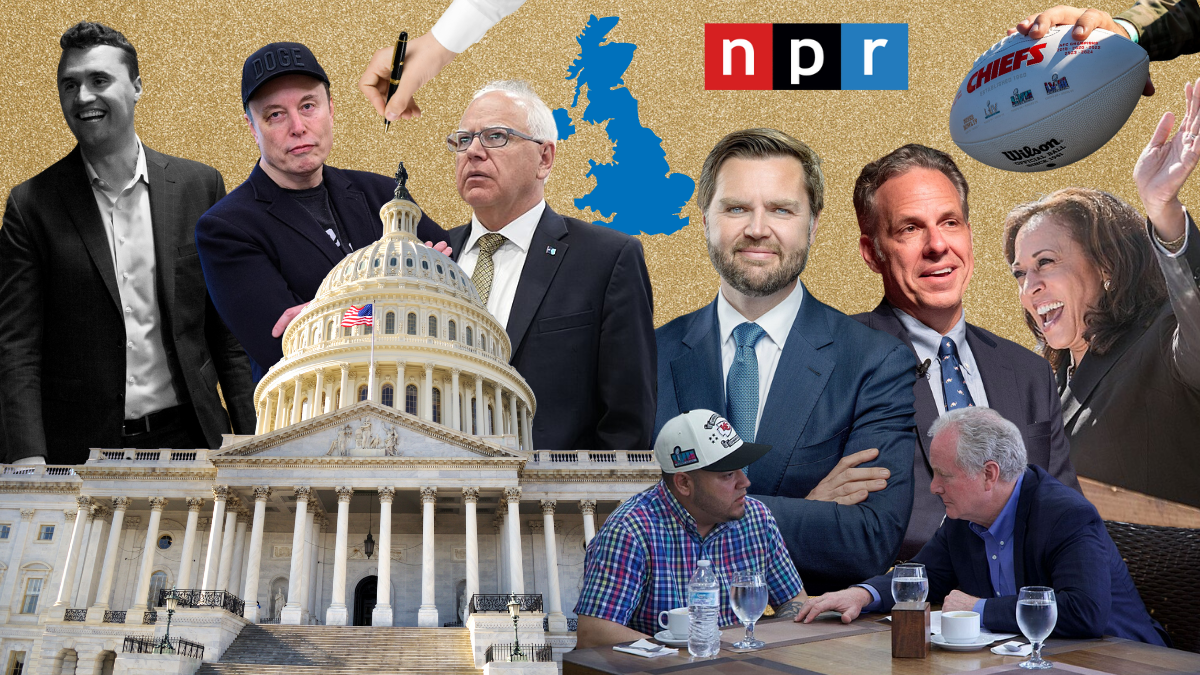
Quick take: a brisk rundown of 2025’s sharpest political and cultural winners and losers, featuring J.D. Vance, Jake Tapper, and the strange double life of DOGE.
Politics and pop culture collided hard in 2025, producing clear winners and blunt losers who tell us where the energy is headed. J.D. Vance emerged as a headline figure, riding a mix of policy toughness and plainspoken appeal that resonates with voters tired of high-flown rhetoric. On the other side, familiar media personalities who leaned into predictable narratives found themselves undercut by a restive public that values results over spin.
J.D. Vance stands out not because he engineered a miracle but because he stuck to a message that connects with working Americans and conservative priorities. He framed economic and cultural concerns in ways that felt direct and accountable, which matters more than ever when voters are demanding practical fixes. The takeaway for Republicans is simple: clarity and conviction win in an era of noise and distraction.
Meanwhile, the media class had a rough year, and Jake Tapper is a useful example of what happens when outlets double down on a worldview instead of reporting the consequences of policy choices. Viewers and readers are tired of punditry masquerading as insight, and figures who never escape that posture get exposed. The result is a credibility gap that opens opportunities for voices who actually solve problems rather than just comment on them.
The crypto scene provided one of the more amusing twists of 2025, where memes and markets tangled in public view and produced both winners and losers. DOGE became shorthand for that chaos, at times surging in value and attention on a wave of sentiment, and at other times crashing under speculative pressure and headlines. That dual role is why you’ll see DOGE listed among the winners and the losers this year—an object lesson in volatility and cultural sway.
Why does a single token end up on both lists? Because influence and stability are different things, and the internet rewards spectacle faster than it rewards substance. When DOGE captured attention it moved markets and conversations, which counts as a win in the attention economy, especially for promoters and early adopters. But volatility, manipulable narratives, and regulatory scrutiny turned those gains into losses for many retail investors and for broader financial credibility.
This pattern—culture shaping markets and markets shaping culture—isn’t new, but 2025 made the feedback loop more obvious and faster. Political figures who can navigate that loop without losing sight of policy details gain traction, and those who chase headlines lose ground. The smart Republican play is to translate cultural momentum into durable policy wins rather than short-lived applause.
Looking ahead, we should expect more cases where the same name shows up in both praise and criticism, because the public conversation is fragmented and prone to sudden swings. That makes disciplined messaging and accountable governance more valuable than ever for conservatives who want to build lasting success. In the meantime, watching winners like J.D. Vance and the mixed saga of DOGE offers a clear map of where things are trending and where the pitfalls lie.

