

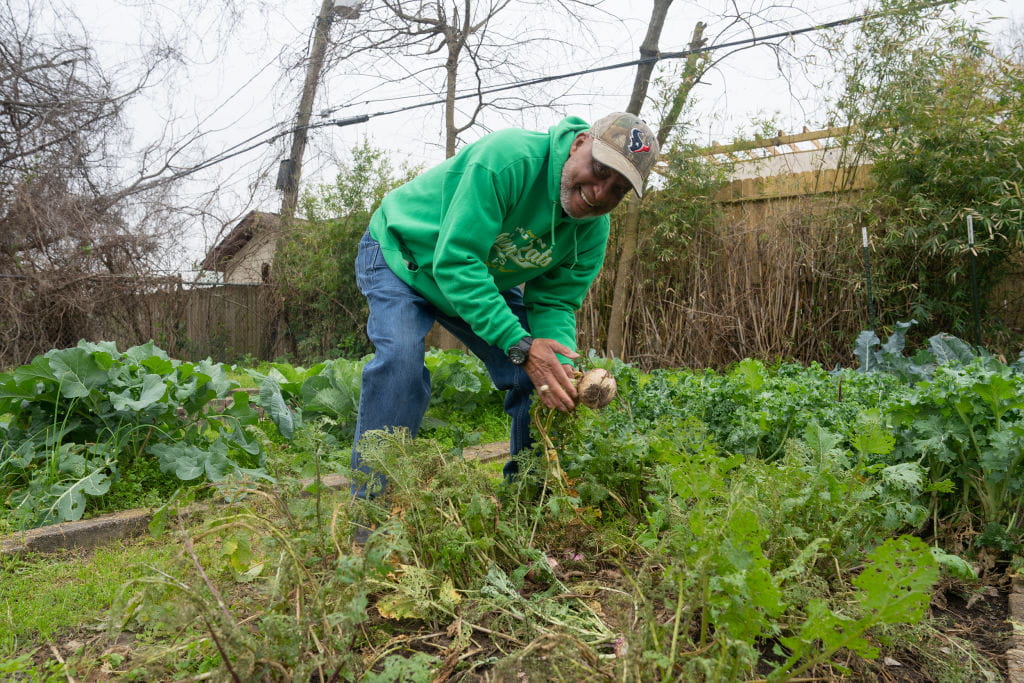
Since the United States was founded nearly 250 years ago, Americans have felt a strong connection to the land, rooted in the work and values of the Founding Fathers and echoed by generations of farmers and small landowners.
From the start, the partnership between citizens and soil shaped our politics and habits, because most of the early leaders were farmers who understood property and responsibility. George Washington, James Madison, John Adams, and Thomas Jefferson lived by that agricultural ethic and treated land as the foundation of liberty. That practical tie between ownership and independence still matters to communities across the country.
Thomas Jefferson put it plainly: “The small landholders are the most precious part of a state.” That sentence captures a belief conservatives still hold—that private property creates stable families, prudent citizens, and local accountability. When people own the ground they walk on, they tend to protect it, invest in it, and pass on stewardship across generations.
Rural life and farming never meant isolation from civic life; it meant citizens who could feed themselves and resist centralized control. The Founders, nearly all with hands that knew soil, designed systems to favor independence over dependency. Today, defending that independence means safeguarding the rights of small landowners against overreaching policy and corporate consolidation.
Property and pride go together: owning a piece of land gives a person skin in the game and a stake in local institutions. That stake produces voters who pay attention to taxes, schools, and the rule of law, not because they read policy briefs but because their livelihoods are on the line. Policies that erode private ownership or subsidize absentee interests weaken these incentives and corrode civic health.
A growing worry is that modern regulations, zoning battles, and market forces push small holders out in favor of big developers and distant investors. When that happens, communities lose the knowledge and care that come from generations working the same fields. The result is land managed for profit first, not for long-term stewardship and community wellbeing.
There is also a cultural element: farms and smallholdings preserve skills, traditions, and a work ethic that machines and algorithms cannot replace. Passing down a farm is passing down stories, recipes, and a way of seeing the world that prizes self-reliance. Those are conservative values in action—local control, fiscal prudence, and resilience in the face of change.
Public policy should support those who choose to work the land, whether through fair tax treatment, sensible regulation, or access to markets that don’t favor the largest players. Support doesn’t mean endless subsidies; it means leveling the playing field so small operators can compete and thrive. Robust rural economies protect national security, food supply, and the social fabric of countless towns.
We should also protect private property rights from creeping bureaucratic claims and ensure that landowners have clear title and predictable rules. When government makes ownership uncertain or expensive, investment dries up and stewardship falters. Encouraging local decision-making and holding officials accountable restores confidence that ownership brings real and durable benefits.
History shows that when land belongs to families and communities, those places become sources of civic strength and economic productivity. “A man who cultivated […]” is a fragment of a past that still speaks to the practical lessons of work and responsibility. Keeping that tradition alive means valuing the small landholders who quietly undergird our liberty and prosperity.

