

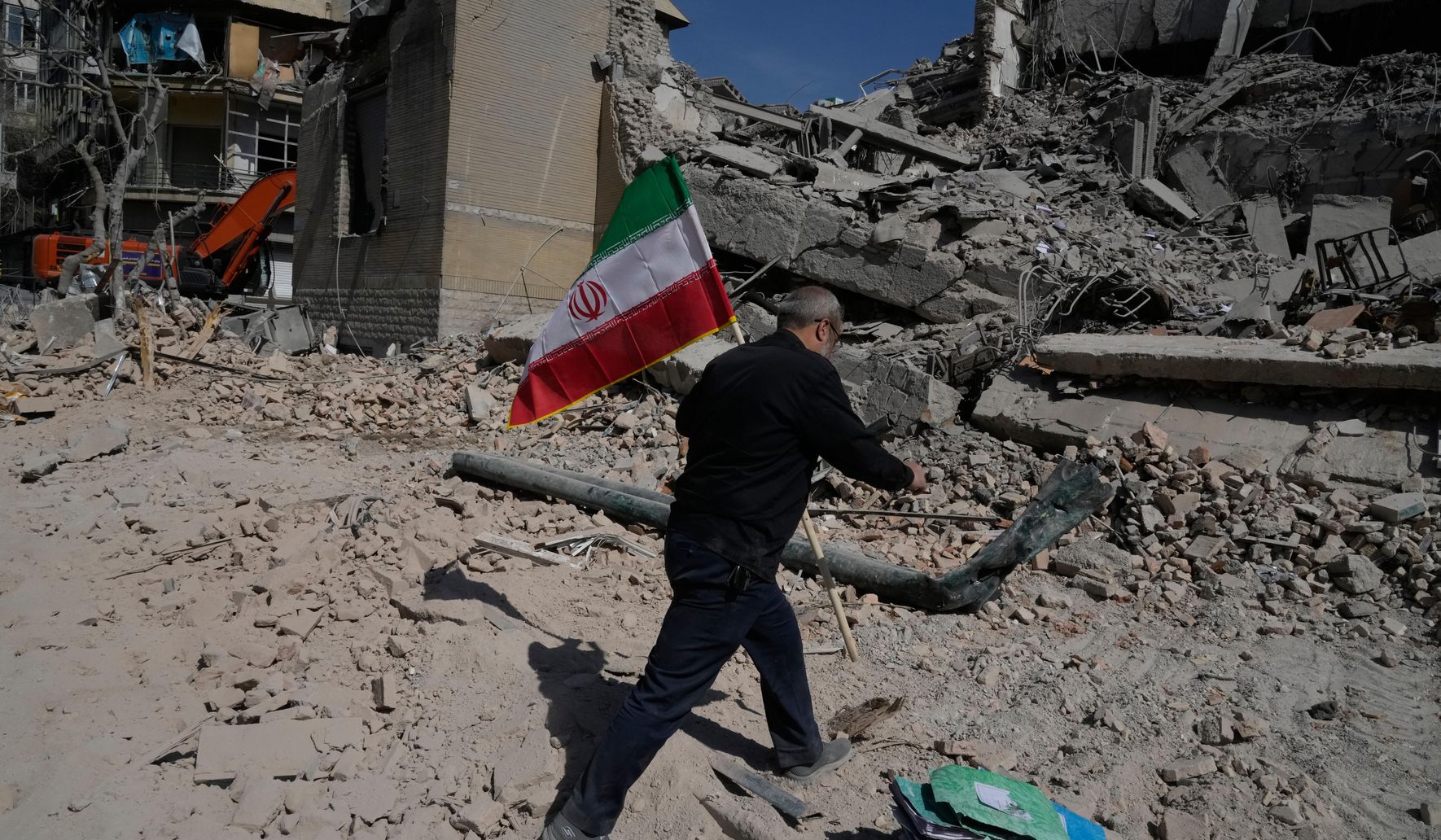
Four days of Iranian missile and drone strikes on Gulf cities have turned what Washington described as a limited decapitation campaign into a widening stress test of the region’s energy corridors. This piece looks at the tactics, the impact on energy flows, the political stakes for the United States, and urgent steps Republicans argue are needed to restore deterrence and protect American interests.
The strikes across Gulf cities have changed the scale of the crisis and put international energy routes under direct pressure, creating immediate economic and strategic consequences. For Republicans, the pattern of attacks exposes the cost of appearing hesitant and the need for a clearer, firmer response that protects both allies and commerce. Civilians and commercial traffic in the region are now operating under higher risk, and insurers, shippers, and energy firms are adjusting in real time. The political fallout in Washington will hinge on whether policymakers treat this as an isolated flare-up or a sustained campaign that requires decisive action.
Four days of Iranian missile and drone strikes on Gulf cities have turned what Washington described as a limited decapitation campaign into a widening stress test of the region’s energy corridors. That sentence captures both the immediacy of the attacks and how they have mapped onto critical oil and gas infrastructure. The phrase signals Washington’s assessment while also pointing to the broader consequences for energy markets and allied security interests. Republicans emphasize that language alone cannot substitute for policies that deter further aggression.
The practical effects are real: shipping lanes are being rerouted, security costs are rising, and global oil markets are more jittery than they should be. Republican policymakers argue that when adversaries test lines of supply, the right answer is to harden the routes, reassure partners, and demonstrate capability. That means more than words at diplomatic briefings; it means a clear posture that raises the costs of attacking commerce and energy infrastructure. A credible defense of these corridors reassures markets and prevents escalation by miscalculation or opportunism.
Strategically, Iran’s use of missiles and drones blurs the line between battlefield strikes and economic coercion, which is precisely why Republicans are vocal about strengthening deterrence. The mix of precision weapons and asymmetric tactics creates plausible deniability while still inflicting damage, and that complexity needs a firm, layered response. Options include bolstering regional air and sea defenses, offering harder targets to defend, and coordinating multinational escorts for vulnerable shipping. The goal from a Republican viewpoint is straightforward: make aggression more costly than it is worth.
Domestically, the strikes force a debate over administration policy and how to combine pressure with preparedness without stumbling into unintended escalation. Republicans warn that hesitancy or mixed signals invite further action from Tehran and proxy actors, and they press for policies that close gaps in deterrence. That includes better intelligence sharing with regional partners and faster authorization for defensive measures on the water and in the air. Communicating resolve matters as much as deploying assets, since adversaries watch both closely.
Energy companies and global markets are adapting to risk with contingency plans, reroutes, and higher insurance premiums, and that financial reality feeds back into political pressure at home. Republican leaders will point to these economic ripples as proof that strategic vulnerability has immediate costs for American families and allied economies. Ensuring uninterrupted supplies requires both short-term steps to secure transit and longer-term diversification so American policy is not hostage to any single choke point. Policy responses must balance immediate protection with structural resilience.
Allied coordination is essential, and Republicans argue the United States should lead a coalition that is tough but transparent about its objectives. Coordination can mean shared patrols, joint intelligence operations, and synchronized economic measures that close avenues of support for hostile actors. A coalition posture reduces the risk to any single partner while signaling unified resolve to Tehran and its proxies. Leadership in this context is not about unilateral adventurism; it is about building credible collective deterrence.
At the same time, the use of drones and missiles in densely trafficked regions raises questions about rules of engagement and the legal framing of responses, and Republicans stress practical clarity to avoid unnecessary escalation. Clear rules help allied forces act decisively in defense of ships and civilians while preserving options for measured punitive steps when warranted. The objective is to deter future attacks by making the response predictable, swift, and proportionate. That approach is meant to protect lives, commerce, and long-term regional stability.
The next phase will test whether words translate into action that secures shipping lanes and discourages repeat campaigns. Republicans urge that the country must combine diplomacy with visible, capable defense and economic measures that reduce incentives for aggression. The focus should be on preventing further disruption to energy corridors while keeping lines of communication open to manage escalation. How leaders act now will shape both immediate security and the credibility of American policy in the months ahead.

