

A pair of Navy jets collided at an Idaho air show on Sunday, forcing crew to eject, prompting an immediate emergency response and the start of an inquiry into what went wrong.
Four crew members ejected safely after two Navy jets collided Sunday at an air show in Idaho, a show organizer said. Witnesses reported a sudden burst of activity on the field as emergency personnel moved through the crowd and toward the impact area. Organizers worked to control access and get accurate information to spectators without creating panic.
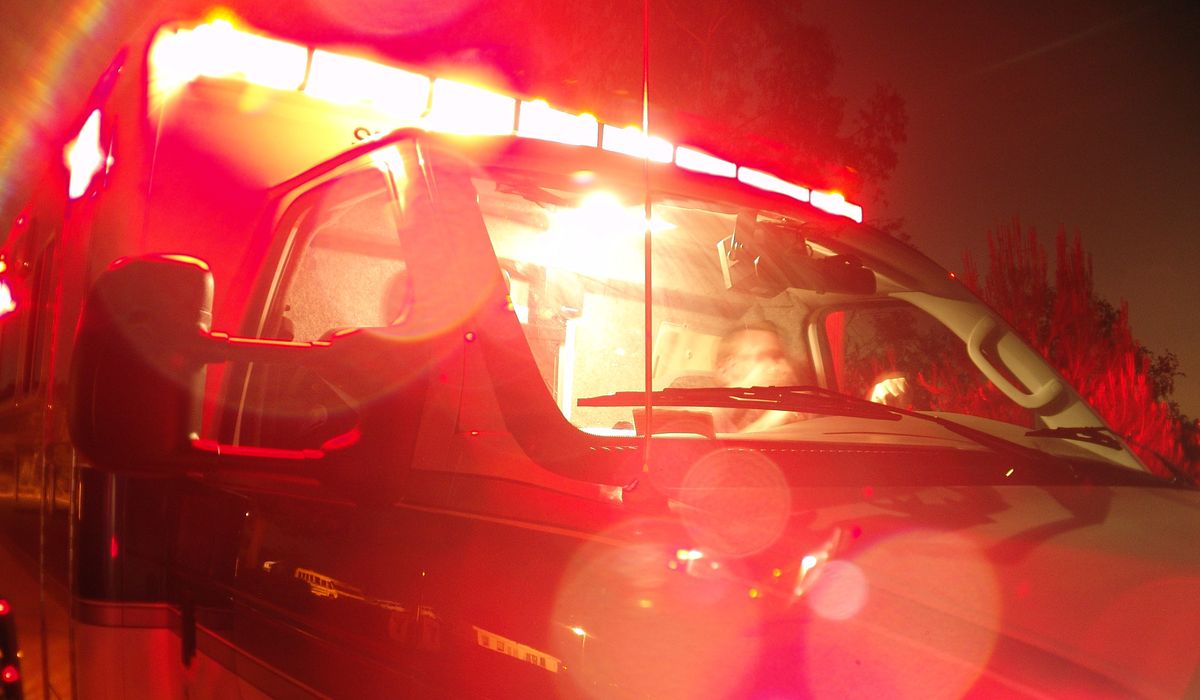
Officials on site confirmed the immediate priority was rescuing anyone in danger and accounting for all aircrew and civilians. Emergency responders and show staff coordinated to establish secure perimeters and make sure damaged equipment posed no further hazard. Promoters paused the event to let first responders do their work and to avoid additional risks to attendees.
The identity and status of the crew beyond being safe were being handled by military and local authorities, who typically manage such notifications. Families and unit leaders are usually notified directly in these situations rather than through public channels, and officials respected that process. That meant the public statements stayed focused on safety and facts rather than speculation.
Air shows bring speeds and maneuvers that can create dangerous scenarios when something goes wrong, which is why organizers emphasize training and contingency plans. Spectators often see only a fraction of what crews prepare for; behind the scenes there are layers of safety, support, and emergency protocols. Even so, the rare incident serves as a sharp reminder that aviation, especially military demonstration flying, carries inherent risk.
The Navy and other military aviation authorities typically open an investigation after a midair collision to piece together the sequence of events. Investigators review maintenance histories, pilot briefings, telemetry, and video from both ground and airborne cameras to form a timeline. Those findings can take time, because thorough analysis is crucial to prevent future mishaps and to understand contributing factors.
Local officials also review the response to ensure medical, fire, and security teams performed as expected and to spot any gaps that need fixing. Organizers and municipal planners cooperate on those reviews to refine training, communications, and crowd management plans. Those after-action checks are standard and aim to strengthen safety without unnecessarily blaming people before the facts are known.
For spectators, the immediate experience can be confusing and emotional, but most air show teams build redundancy into crowd information flows. Public address systems, social media channels, and on-site staff are used to keep people updated during disruptions. The priority in those moments is clear instructions and calm leadership so attendees can leave or shelter as directed.
As information becomes available, organizers and the military usually release factual updates focused on safety outcomes and next steps in the investigation. Officials avoid speculation and stick to confirmed details while they reconstruct events from multiple data sources. That careful approach helps preserve both public trust and the integrity of any official findings.
Air shows are designed to showcase skill and precision, and when an incident occurs, the response is a study in preparedness under pressure. Emergency plans, trained crews, and coordinated command structures are tested in real time, and those systems are meant to protect both performers and the public. Moving forward, investigators and organizers will look for lessons that can tighten procedures and reduce the chance of a repeat.

