

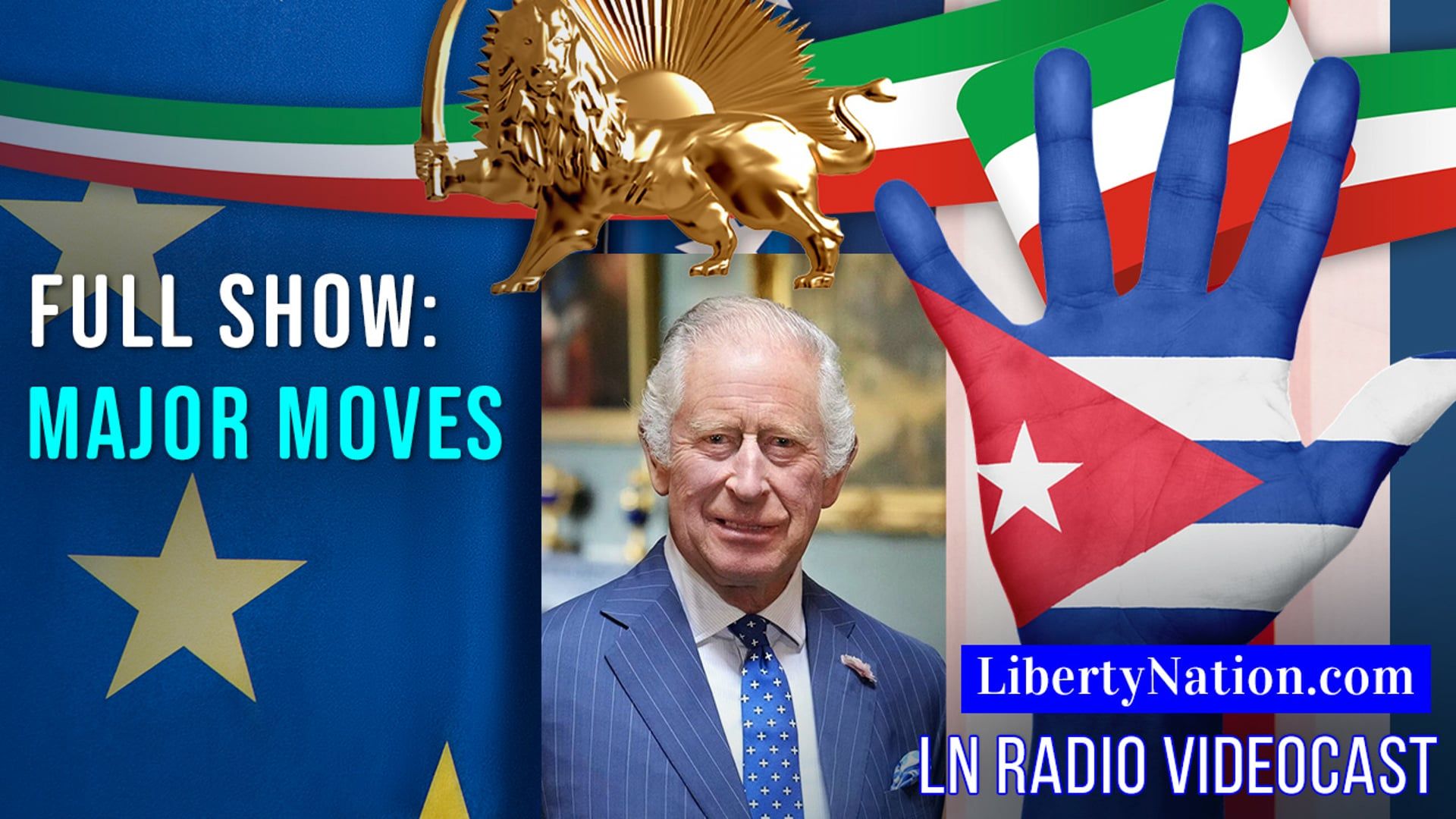
United Kingdom’s King Charles III visits the nation’s Capitol ahead of America’s 250th anniversary, the monarch gets a standing ovation from the NO KINGS party, and President Trump responds to stalled negotiations with bold moves on trade, troops, and targeted foreign regimes.
The visit by the United Kingdom’s King Charles III to Washington grabbed attention for its timing and optics as much as for the message, arriving ahead of America’s 250th anniversary when symbolism matters most, and the crowd reaction—most notably a standing ovation from the NO KINGS party—made clear that pageantry and politics still mix in strange ways. Observers on the right see the visit as a reminder that the United States remains the sovereign center of its own destiny while still engaging with allies, and that ceremonial gestures should never replace firm policy. The moment underscored a broader point: respect for tradition is fine, but it cannot distract from pragmatic national priorities.
The king’s appearance highlighted a cultural contrast that plays well to voters who favor strong American independence and clear red-blooded leadership, not endless ritual or deference to foreign elites. Conservatives will point out that Washington should welcome partners and hold them accountable when necessary, and that public celebrations should not obscure hard strategic choices. This visit offered a useful backdrop for those arguments without changing the stakes of trade, security, and global influence.
On trade, President Trump moved decisively when he slapped the EU with a 25% tariff on cars and trucks after it slow-walks the deal he offered last July, signaling a return to transactional diplomacy that puts American industries first and forces partners to come to the table. The tariff is blunt, and that bluntness is the point: if Europe delays good-faith negotiations, Washington will use economic leverage rather than empty words. Conservatives see this as long overdue enforcement of fair trade rules that have often been ignored by liberal administrations more interested in virtue signalling than results.
The administration also announced a drawdown of troops stationed in Germany, a decision framed as recalibrating U.S. commitments so forces match current priorities instead of outdated footprints, and it reflects a broader push to end open-ended foreign entanglements that cost blood and treasure. Critics will howl about abandoning allies, but supporters argue the move forces partners to carry more of their own defense burden while freeing American forces for more pressing missions. In practice this is about strategic flexibility—deploying strength where it matters and refusing to subsidize security arrangements that no longer make sense.
Cuba is next on Trump’s Trifecta of taking down dictators and terrorists. That sentence captures a direct approach to regimes that have long abused their people and exported chaos, and it signals that the administration sees clear lines between hostile actors and responsible states. For conservatives, targeting Cuba fits a pattern: use measured pressure, targeted sanctions, and diplomatic isolation to erode oppressive regimes while empowering dissidents and alternatives.
These moves—hard trade measures, troop realignment, and focused action against bad actors—add up to a single-minded pursuit of national interest rather than global approval, and they reflect a philosophy that government first protects its own citizens and industries. The approach is unapologetic and transactional, and it appeals to voters tired of one-size-fits-all foreign policy lectures that produced diminishing returns. Watching how allies and adversaries respond will show whether firm diplomacy finally brings better deals and safer borders.
Expect the coming weeks to be noisy as European capitals object to tariffs, German leaders reassess NATO logistics, and Havana watches U.S. posture with renewed anxiety, but for many conservatives the noise is preferable to inaction. The political playbook here is straightforward: force partners to negotiate honestly, shrink commitments that no longer serve immediate security needs, and confront oppressive regimes directly rather than pretending engagement alone will reform them. That practical, results-oriented stance will shape debates at home and abroad as the 250th anniversary approaches and America reasserts a tougher posture on trade and security.

