

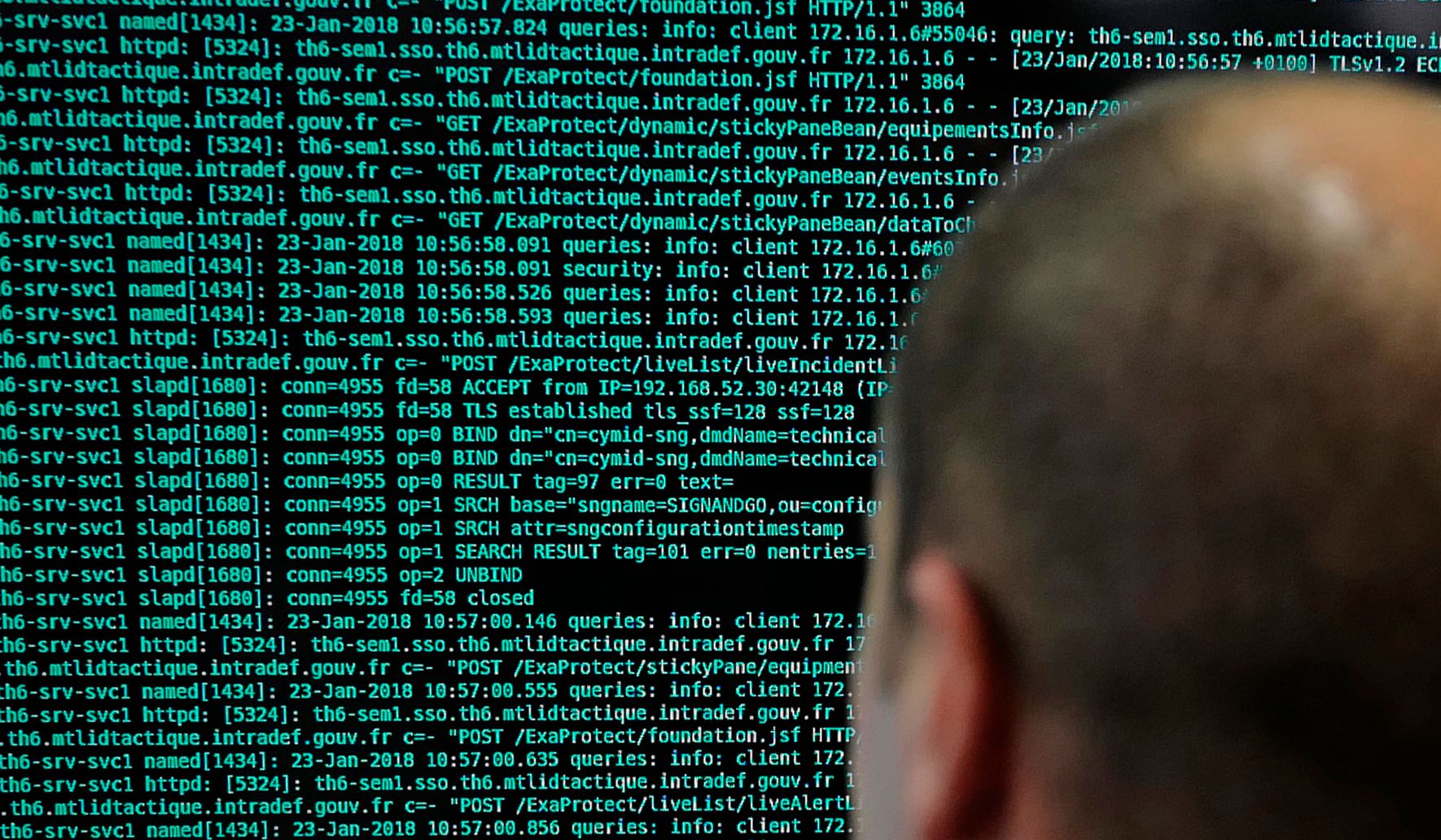
French authorities on Wednesday arrested an unidentified 22-year-old man in connection with last week’s cyberattack on email servers at the French Interior Ministry, and investigators are now racing to determine the scope and motive behind the disruption.
The arrest came after a probe into an intrusion that targeted the ministry’s email system, a central communications hub for internal operations. Officials say the move was part of a coordinated effort to identify those involved and to secure remaining systems. At this stage, authorities are still piecing together exactly what was taken or altered.
Investigators believe the breach focused on email servers, which could expose internal exchanges and disrupt routine messaging. That kind of access raises questions about whether sensitive operational details were seen by outsiders. Authorities are cautious, noting there is a difference between temporary disruption and confirmed exfiltration of data.
The individual detained is unidentified publicly and is described only as a 22-year-old man, consistent with standard legal steps to protect investigative integrity. He was arrested on Wednesday and is expected to face questioning under the French judicial process. Courts and prosecutors will determine whether formal charges follow after evidence is reviewed.
France’s national cyber response involves multiple agencies working in tandem, including criminal investigators and the national cybersecurity agency, who bring technical forensics to the case. Those teams trace intrusion paths, recover logs, and try to map the attackers’ movements through the network. Their work aims to establish whether this was the work of an opportunistic hacker, a criminal group, or an actor with political motives.
Possible legal consequences for someone found responsible can include charges related to unauthorized access to automated data processing systems, disruption of public services, and related computer offenses. The scale and intent behind the attack will influence prosecutorial decisions and sentencing recommendations. French law has provisions that address both individual hackers and organized cybercriminal networks.
<p”This kind of incident puts essential public functions under strain,” said officials familiar with typical ministry responses, emphasizing operational risk rather than offering a play-by-play of the investigation. Ministries rely on email for coordination between departments and with regional partners, so any outage or compromise can create knock-on effects. The immediate priority for investigators was containment and restoring secure communications as quickly as possible.
Cyberattacks against public institutions in Europe have become more frequent in recent years, targeting everything from local government portals to national services. That trend has pushed administrations to invest more in cyber resilience but also to rethink how sensitive communications are handled. This arrest signals that law enforcement can and will pursue suspects, even as defenses continue to adapt.
Authorities also routinely work with international partners when traces lead beyond national borders, sharing technical indicators and intelligence to track malware, servers, or accounts used in intrusions. Cross-border cooperation helps follow funds, infrastructure, and digital footprints that may span multiple jurisdictions. The investigation into this incident is likely to involve such collaboration if evidence points overseas.
For now, the case remains active: files need forensic analysis, logs must be validated, and any affected accounts or machines require remediation to prevent further access. Prosecutors will sort through the evidence to build a case if warranted, and additional operational measures will be taken to harden the ministry’s systems. Officials say more details will be released as legal and technical reviews progress, with the focus on securing communications and holding perpetrators to account.

