

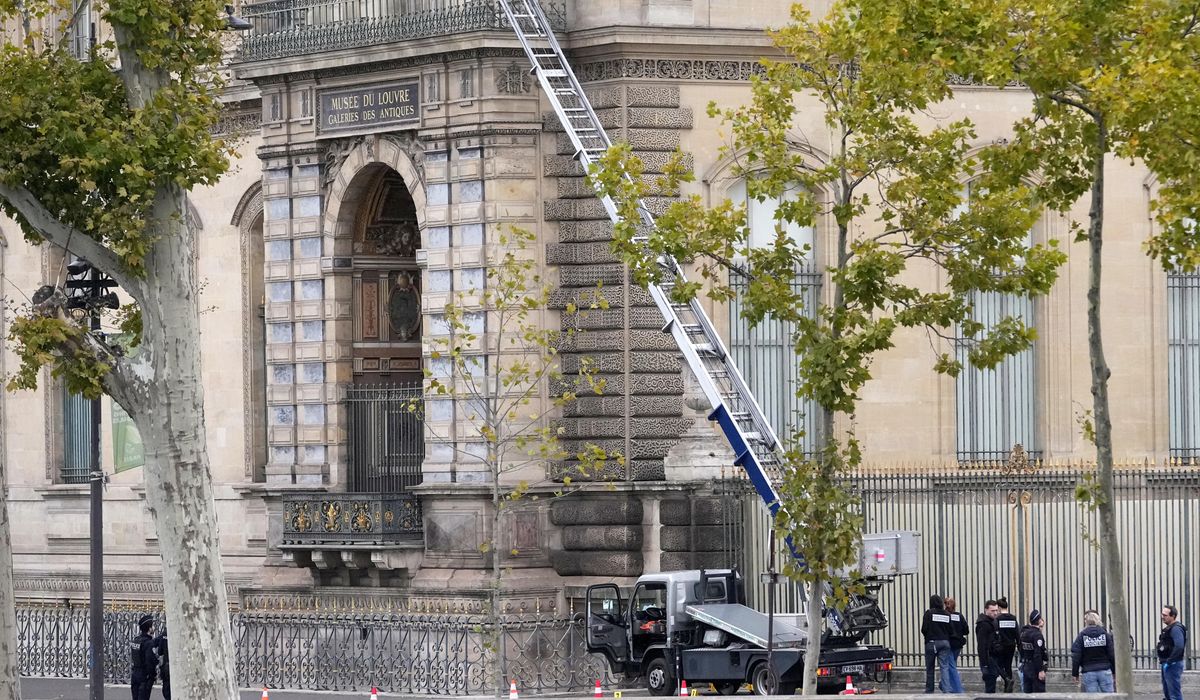
French authorities have arrested two suspects in connection with last week’s theft of the crown jewels from Paris’ Louvre museum, local media reported. The story has put a global spotlight on museum security and the value of cultural treasures, while leaving many unanswered questions about how such a brazen theft could occur and what comes next for the suspects now in custody.
The theft took place last week at the Louvre, where a set of crown jewels — items tied to France’s royal history — were taken. Those objects are among the museum’s most symbolic and historically significant pieces, drawing tourists and scholars alike. Because the objects carry both cultural weight and high monetary value, their disappearance has already prompted a national reaction.
Local media reported the arrests, but details from official channels remain limited. That gap in the public record is common at the outset of major investigations, when prosecutors and investigators focus on gathering evidence. For the public and press, the arrests mark a first, tangible step in a criminal process that may still take months to unfold.
Museum staff and authorities now face intense scrutiny over security practices, from display cases to visitor screening and surveillance coverage. The Louvre, like other world-class institutions, balances access and protection, and any breach exposes that tension. Expect both internal reviews by the museum and external inquiries by law enforcement agencies looking for procedural failures or vulnerabilities.
The arrest of two suspects does not automatically resolve the case or guarantee the jewels’ return. Recovering high-profile stolen items can be complicated, involving covert networks and international trafficking chains. Investigators will likely pursue multiple lines of inquiry: forensic evidence, surveillance footage, digital traces linked to the suspects, and any potential accomplices or buyers.
Beyond the criminal investigation, there are legal and diplomatic considerations. The jewels are national patrimony, meaning their loss affects public heritage and can prompt political attention. Prosecutors will need to build a case that stands up in court, and if the items crossed borders, cooperation with foreign authorities could become part of the process.
The public reaction has been immediate and emotional, as cultural landmarks feel personal to many people. Social media and traditional news outlets have circulated images and commentary, amplifying pressure on officials to provide clear updates. That attention can be helpful for transparency but can also complicate investigative work if misinformation spreads or sensitive details are revealed prematurely.
Meanwhile, insurers, curators, and heritage experts will review the incident for lessons on prevention and recovery. Museums worldwide watch these moments closely to peer into possible improvements in storage, display, and rapid-response protocols. With suspects now in custody, the focus will shift toward tracing the full chain of events and, hopefully, securing the jewels’ return without further damage.

