

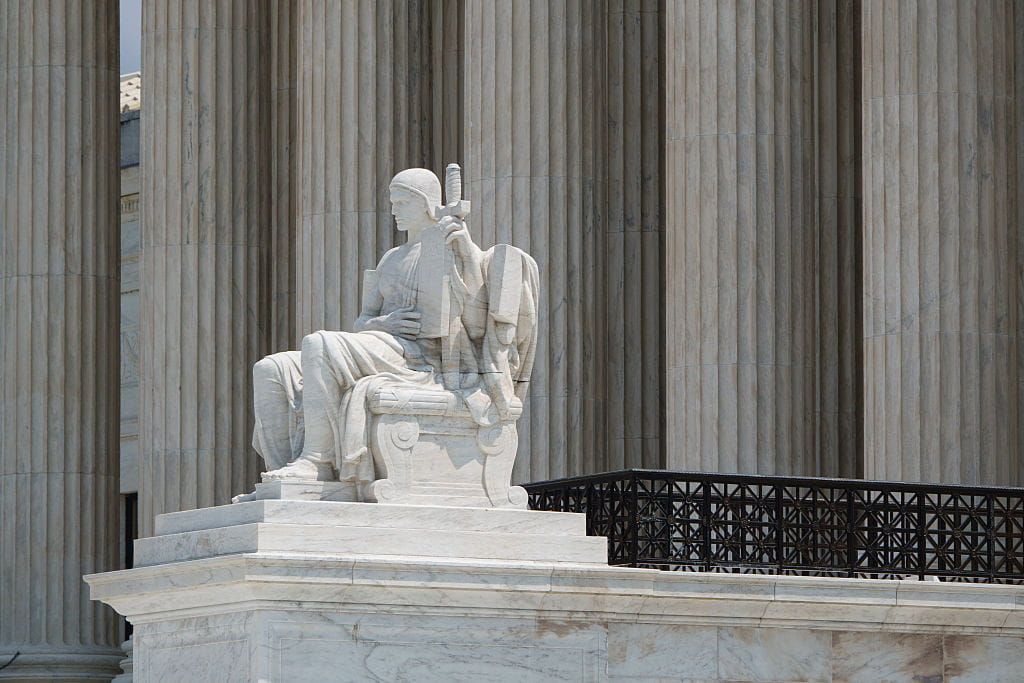
Contested maps, ballot fights, and a string of lower‑court decisions have pushed more election disputes into the Supreme Court, where big questions about federalism, election law, and judicial reach are waiting to be resolved.
The sagas continue – and the stakes get higher. State legislatures, courts, and partisan operatives are all playing hardball over how districts are drawn and how ballots are certified, and those fights are now heading to the highest bench. What happens in these cases will shape the next election cycle and beyond.
Redistricting fights are no longer a simple tug of war over lines on a map; they are a proxy battle for control of representation. Plaintiffs argue maps dilute minority votes or entrench majorities, while defenders say legislatures exercised their constitutional authority. Each ruling adds precedent that invites more litigation next round.
Ballot disputes have followed a similar path, with state rules, administrative choices, and emergency court orders colliding in ways that confuse voters and officials. Campaigns test the boundaries of ballot access and signature rules, and judges respond with interpretations that sometimes stray from the plain text of statutes. That legal churn creates uncertainty that benefits the organized and harms the average voter.
From a conservative viewpoint, the core problem is judges substituting policy preferences for law and stretching federal standards into areas the Constitution reserves for states. The Republican approach leans toward clear, bright-line rules and deference to state legislatures on how elections are run, subject to text-based review. Judicial restraint is presented as the path to predictable, uniform administration rather than ad hoc remedies from activist panels.
The Supreme Court now faces cases that ask whether federal courts may police state mapmaking more aggressively than past precedent allows. Defenders of intervention cite protections against racial gerrymandering and unequal treatment, while opponents warn that broad readings of federal authority will hollow out state sovereignty. How the Court frames its rulings will determine whether state law regains primacy or federal supervision expands.
Practical consequences are immediate: litigation timelines can delay candidate filing, force last-minute map redraws, and cause election administrators to scramble. Courts that issue temporary injunctions or impose remedies close to election dates risk disenfranchising voters through churn and confusion. The conservative argument stresses stability and predictability so citizens can plan and campaigns can operate under known rules.
Political actors on both sides recognize the strategic value of getting the law settled at the high court, which is why so many disputes are fast-tracked. When the Supreme Court steps in, its rulings will be binding nationwide and will either check or empower lower-court interventions. That makes the docket in the next term a pivotal battleground for election law doctrine.
Even beyond legal doctrine, the public perception of court involvement matters. Voters want reliable systems and clear lines of authority, not a perpetual parade of lawsuits that make every close contest a constitutional crisis. Conservatives emphasize repairing processes at the state level and bolstering legislative authority to reduce the need for continual judicial second-guessing.
Looking toward Sep 4, 2026 and the cycles beyond, litigants will keep testing the boundaries between state election administration and federal review. The Court’s choices will influence how partisan interests approach maps and ballots in the future, and whether election disputes become routine escalations or rare, well-defined exceptions. The direction the justices choose will ripple through policy, politics, and public trust for years to come.

