

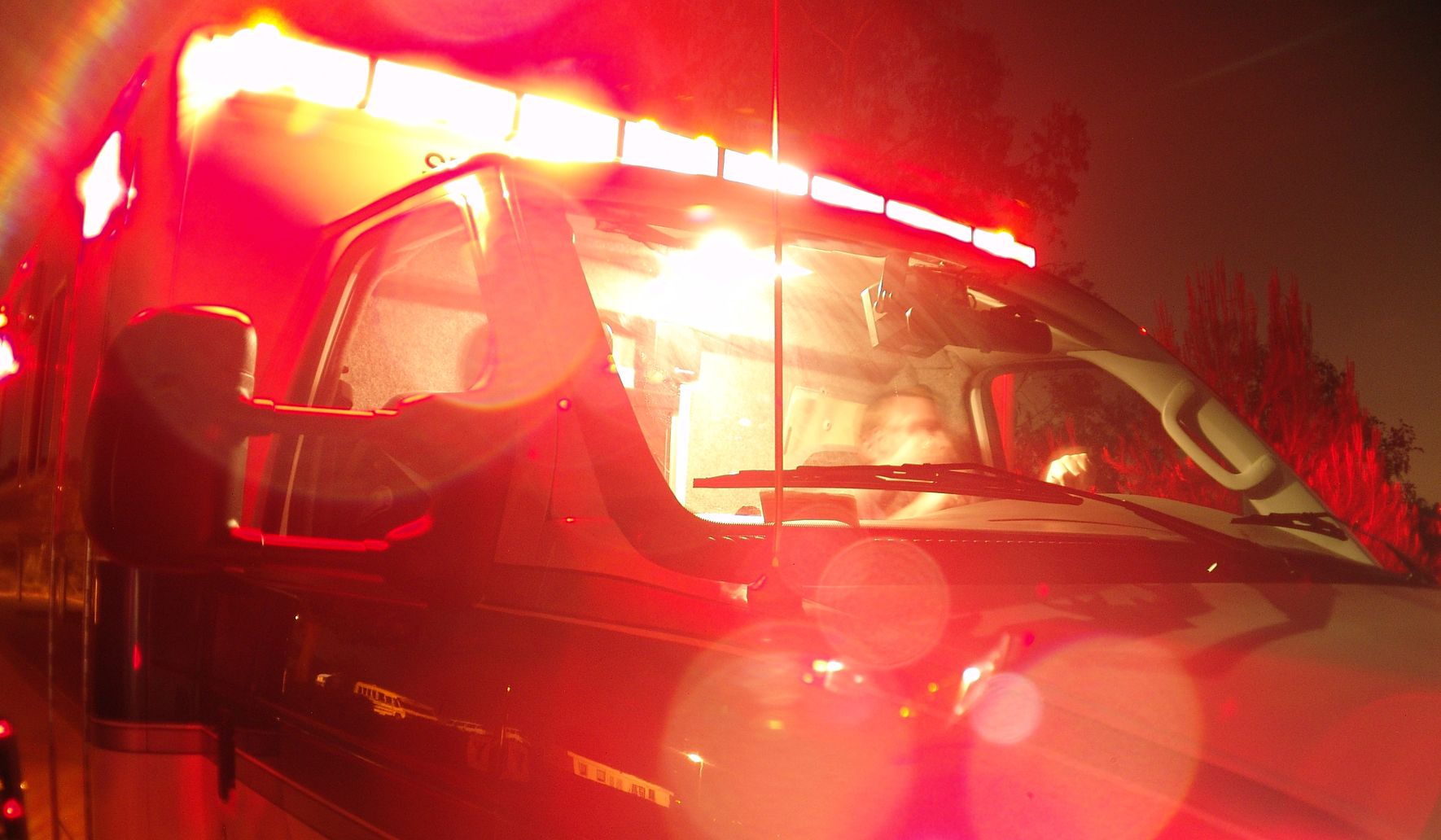
Carbon monoxide leaked at an apartment complex Saturday in Gaithersburg, Maryland, with 51 people from three buildings needing evaluation and at least 11 requiring hospitalization, according to Montgo
Emergency crews responded quickly after reports of carbon monoxide exposure at a multi-building residential complex in Gaithersburg, Maryland. Residents were evacuated while first responders worked to locate the source and assess everyone for symptoms. Authorities confirmed that 51 people from three buildings were evaluated and at least 11 required hospital treatment.
Fire and rescue units set up triage points and moved residents to safer areas while monitoring air levels where possible. Technicians used portable detectors to check for lingering gas and to map out which units had unsafe concentrations. Investigators also began preliminary checks on heating systems and shared equipment commonly linked to household carbon monoxide incidents.
Medical teams focused on common signs of carbon monoxide exposure such as headaches, dizziness, nausea, and shortness of breath. Those with more severe symptoms were taken to area hospitals for further evaluation and care. Emergency responders typically administer high-flow oxygen on scene and at hospitals to help displace carbon monoxide from the blood.
Managing a scene with multiple buildings adds complexity because residents can be affected in different ways depending on ventilation patterns and the location of the leak. Building managers cooperated with crews to provide access to mechanical rooms and utility closets for inspection. Officials emphasized the need to isolate the source before allowing residents to re-enter affected units.
Carbon monoxide is odorless, colorless, and can accumulate unnoticed, which is why detectors are essential in any home and especially in multiunit housing. Properly installed and maintained detectors provide an early warning that can prevent exposure. Fire safety experts recommend testing batteries regularly and replacing detectors according to manufacturer guidelines to ensure they work when needed.
In apartment complexes, risk factors often include malfunctioning furnaces, blocked vents, or improper use of portable heaters and generators. Cars left running in underground or attached garages can also push exhaust into living spaces. While crews investigate specific causes, residents were urged to avoid using potential sources of combustion indoors and to report any lingering symptoms to medical personnel.
Local authorities reminded the community that quick recognition and response make a big difference in outcomes for carbon monoxide events. If someone feels ill in a building with potential exposure, moving to fresh air and calling emergency services are immediate priorities. Professional responders have the tools and training to both treat people and determine whether an environment is safe to re-enter.
Property owners and managers have a role in preventing these incidents through routine inspections and maintenance of heating and ventilation systems. Clear communication plans and evacuation procedures help get people out safely when alarms sound. Buildings with shared mechanical systems should have documented inspection schedules and prompt repair protocols to reduce the chance of an event affecting multiple units.
Neighbors and building staff who noticed symptoms or signs of trouble were vital to the rapid response, alerting authorities so crews could act fast. Community resilience depends on awareness as much as on equipment: knowing the signs, having working detectors, and following evacuation orders minimizes harm. Officials continued their on-site work while hospitals treated those affected and the complex assessed its recovery steps.

