

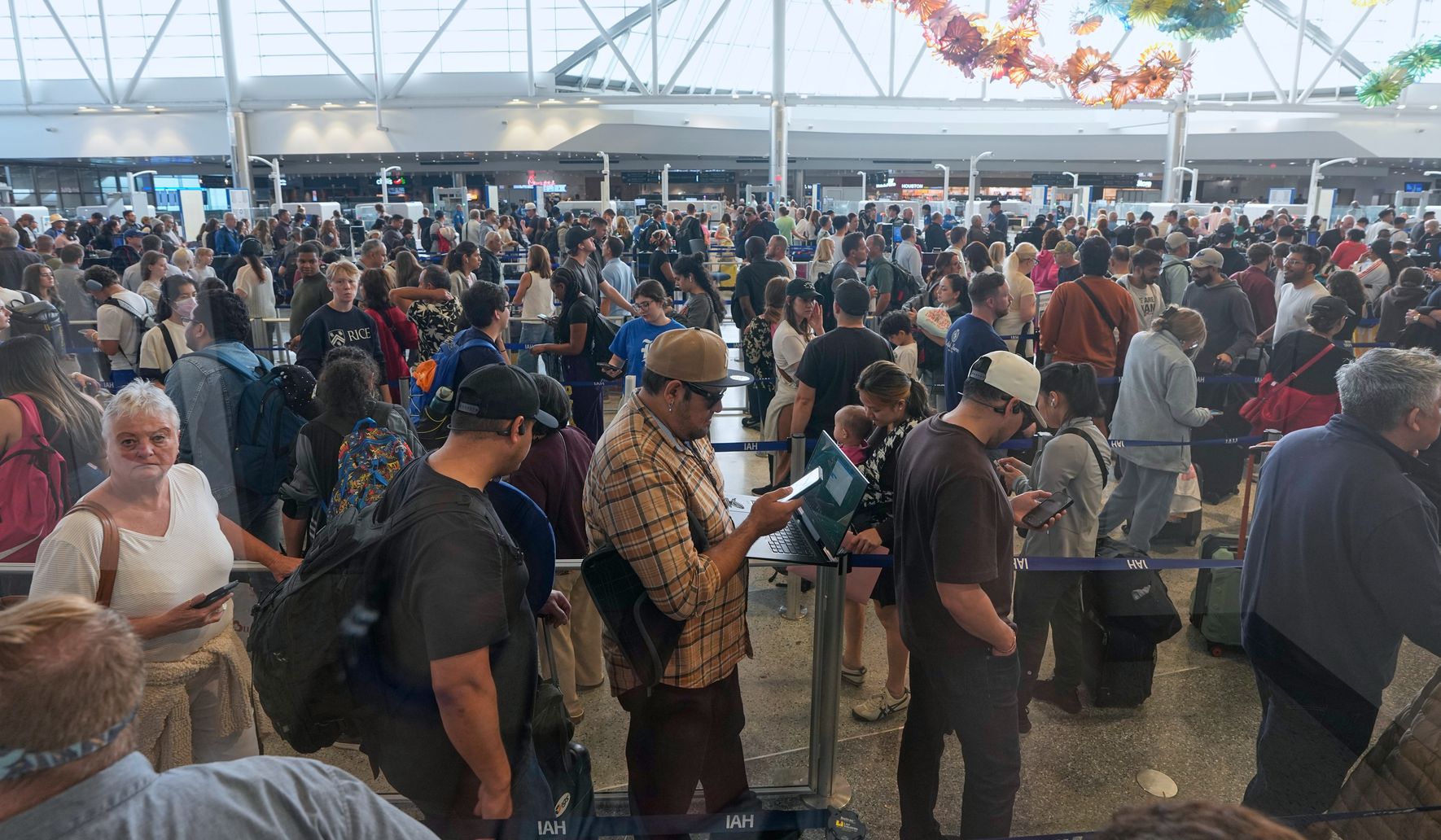
George Bush Intercontinental in Houston has come to stand for the way the ongoing partial government shutdown is disrupting air travel across the country.
The image of crowded terminals and delayed flights at George Bush Intercontinental Airport in Houston has become a shorthand for the real fallout from the ongoing partial government shutdown. Travelers are seeing longer lines, more cancellations, and a service system stretched thin as federal staffing gaps and uncertainty ripple through the aviation network. Airports that once focused on efficiency are sliding into scramble mode, and the public is left paying the price.
Federal workers and contractors tied to aviation security and air traffic operations are feeling the shutdown directly, and that shows up in everyday travel headaches. When personnel are furloughed or working without clear pay guarantees, morale drops and performance frays, which increases the chance of delays and mistakes. The result is not just inconvenience; it’s a measurable hit to reliability for passengers and businesses that rely on timely flights.
Airlines face cascading operational costs when the public system falters, and those costs ultimately land on consumers. Crews get out of sync, planes sit idle longer, and tight turnaround schedules unravel. Even if an airline is running efficiently on its own, it’s still embedded in a national system that depends on stable federal oversight and on personnel being present and empowered to act.
Flight crews and ticketed passengers bear the visible toll, but there’s also an economic ripple that’s less obvious: delayed cargo, missed connections for business travelers, and disruptions to perishable goods transport. Airports like George Bush Intercontinental are hubs for regional commerce, so problems there radiate outward into local economies. A few high-profile breakdowns can dent confidence and drive up costs for freight-dependent industries.
Security and safety should remain the top priorities even in a political standoff, and yet the shutdown forces tough choices that can weaken systems everyone relies on. When experienced staff are stretched or reassigned and new hires are delayed, institutional knowledge takes a hit. That’s the kind of slow erosion that doesn’t show up on a single day’s delay report but undermines long-term readiness.
Politically, this is a clear example of how federal gridlock translates into tangible losses for the public. From a Republican perspective, the focus must be on ending disruptions with solutions that protect both border and transport security while returning normal operations to federal agencies. The public expects elected leaders to keep key infrastructure functioning no matter the policy fights behind closed doors.
Airports and airlines are doing what they can to adapt in real time, ramping up customer service, rerouting flights, and communicating delays, but those measures only patch the problem. The underlying issue is the instability created by the ongoing partial government shutdown and its impact on the workforce that keeps aviation moving. Temporary fixes help on the margins but do not replace the steadying effect of full federal engagement.
Passengers can’t be left to navigate a system where staffing and oversight are unpredictable, and cities that depend on hub airports need consistent federal support to maintain commerce and jobs. The operational strain at hubs like George Bush Intercontinental is a reminder that national infrastructure relies on predictable government functions, especially when safety and timeliness are on the line. Policymakers should weigh the economic and human costs when they consider prolonged shutdowns.
For travelers, the practical takeaway is to plan for the unexpected: build in extra time, be flexible with connections, and expect communication hiccups. For industry leaders, the lesson is to push for contingency plans that protect passengers and freight when federal services wobble. For elected officials, the clear message from the terminals is that constituents want solutions that keep flights on schedule and security uncompromised.
The crowded gates and frustrated announcements at George Bush Intercontinental Airport are not isolated anecdotes; they’re a symptom of a broader operational strain caused by the ongoing partial government shutdown. The problem touches passengers, workers, airlines, and local economies, and it exposes how fragile the day-to-day functioning of national transport can be when federal systems are disrupted.

