

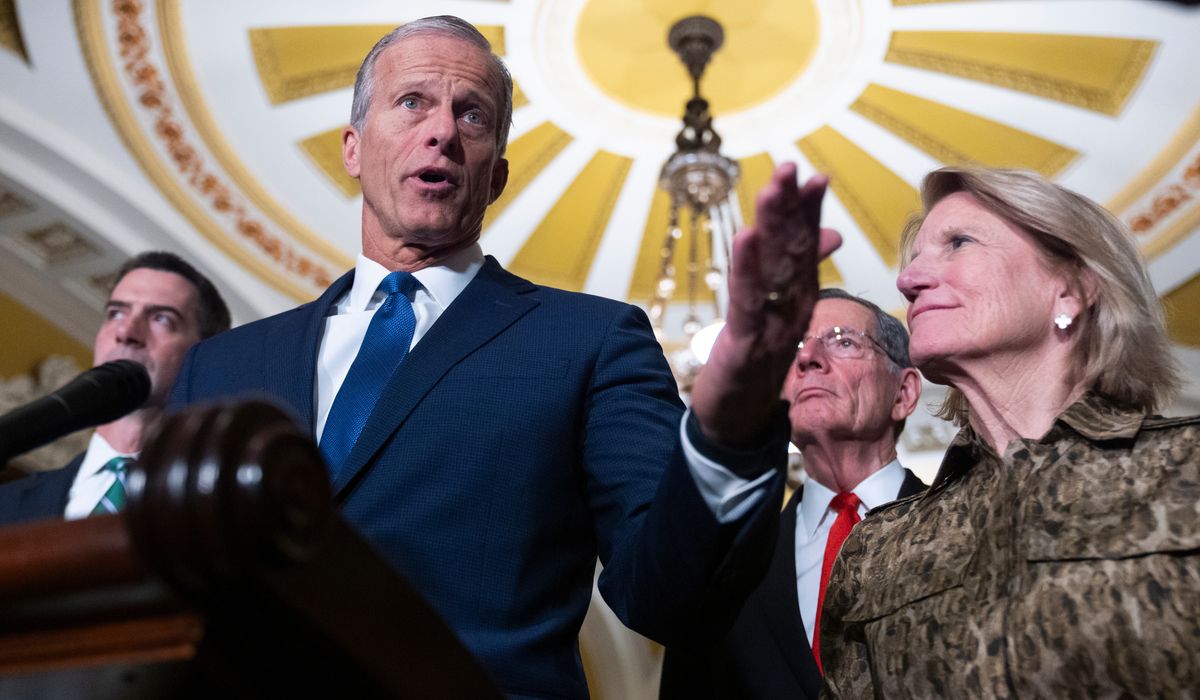
The Senate moved the debate onto the floor and set the stage for a long, heated argument over a federal voter ID measure, with Republicans pushing for stricter rules and Democrats opposing them on grounds of access and fairness. The article outlines the vote, the partisan split, and the practical and political implications of trying to make voter identification a nationwide standard.
The Republican-led Senate on Tuesday voted to open what is likely to be a lengthy and rancorous floor fight over a bill to implement strict voter identification rules in federal elections. That motion to proceed is the opening bell for a debate that will mix constitutional claims, practical details, and raw politics. Senators are already staking out firm lines on whether this is protection or restriction.
Republican senators argue that clear ID rules protect the ballot box and restore confidence in elections, and they frame the push as basic common-sense reform. They say voters deserve to know every legal vote counts and every illegal scheme is harder to pull off, and they press that federal standards can bring consistency across states. The message from the GOP side is simple: integrity first, doubts second.
Democrats counter that strict federal ID requirements will suppress turnout among elderly, low-income, and minority voters who face real barriers to obtaining documentation. They insist the fix is to expand access to IDs and to invest in voter outreach instead of imposing blunt rules that can exclude. Expect them to use testimony and data about turnout to try to persuade swing votes on the floor.
The procedural fight matters as much as the substance because Senate rules let a minority slow or reshape legislation through amendments and filibuster tactics. Republicans must convince 60 senators to limit debate if they want to push the bill through without major changes, and that threshold forces negotiation or strategic trade-offs. This is why floor fights often stretch into weeks and turn on narrow shifts in Senate math.
Behind the speeches will be a string of amendments testing how far each party will go: some will seek exemptions, others will push for national standards, and legal language will be scrutinized for unintended consequences. Expect litigation to follow if a measure becomes law, with both sides ready to test the statute in courts over federalism and voting rights claims. The drafting details will decide whether a final bill is durable or immediately vulnerable.
Political timing is also in play, since elections and public opinion shape the leverage of both parties. Republicans see a clear campaign line about safeguarding elections, while Democrats warn voters about obstacles at the polls that could tilt outcomes. Each party will use the debate to sharpen talking points for primaries and general elections, so the floor fight doubles as a stage for messaging.
Practical concerns will surface in committee transcripts and on the floor: how will provisional ballots be handled, what counts as valid ID, and how will states implement changes on short notice? State election officials, both Republican and Democratic, will be pressed for cost estimates and logistical plans, and their answers could sway undecided senators. Implementation complexity gives opponents a steady stream of objections to raise during debate.
The bringing-to-the-floor vote alone won’t settle the issue; the next weeks will determine whether this becomes a federal standard or a political battle that dies in the Senate. Lawmakers will haggle over carve-outs, timelines, and enforcement mechanisms, and some bipartisan compromises may appear if practical fixes outweigh pure partisan advantage. Either way, the fight will echo beyond the chamber into statehouses and courtrooms.

