

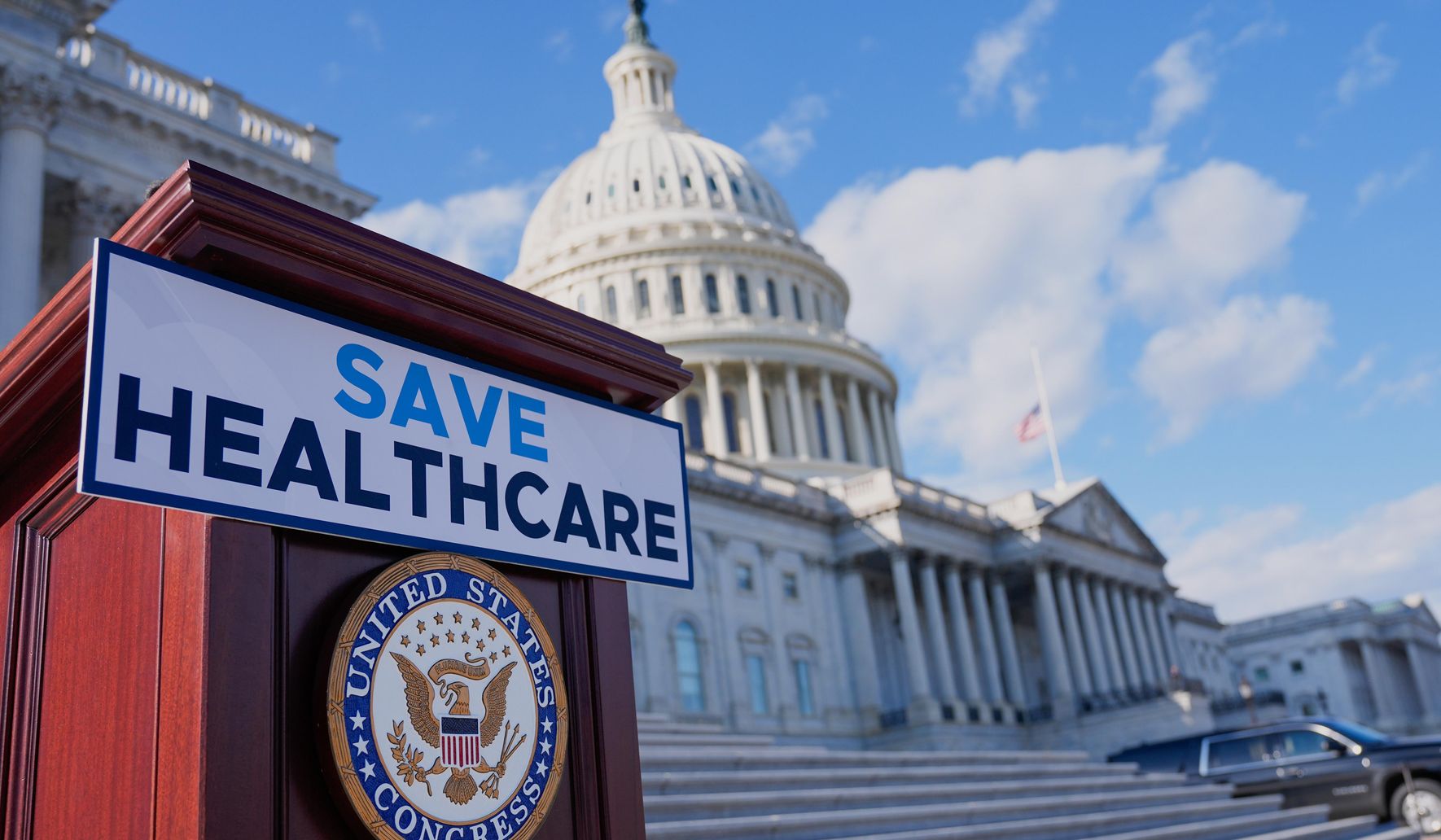
Congressional Republicans are eying tax-exempt Health Savings Accounts as a vehicle to carry out President Trump’s call to send taxpayer-funded health care subsidies directly to the people.
Republican leaders in Congress are looking hard at tax-exempt Health Savings Accounts as a straightforward way to deliver federal health dollars back to individual Americans. The idea is to give people control over their own care and reduce the role of large bureaucracies in deciding coverage. Supporters argue this keeps government spending transparent while expanding choice for families and small businesses.
Advocates on the right say HSAs are already popular because they pair tax advantages with consumer control, and expanding their use could be politically durable. Lawmakers envision refundable tax credits or direct deposits into HSAs so individuals can shop for care with clearer price signals. That approach is framed as returning power to patients instead of insurance companies or government agencies.
Practical proposals being discussed around Capitol Hill would preserve the tax-exempt status of HSAs while boosting contribution limits and widening eligibility. Congressional Republicans want flexibility so funds can be used for a broader array of services, including preventive care and chronic disease management. The pitch is that giving Americans the dollars up front will spark competition, lower costs, and improve access.
Opponents raise questions about whether HSAs alone can cover low-income households or those with high medical needs, and Republicans are sketching solutions to address those concerns. Ideas include income-tested top-ups, reinsurance layers, or companion programs that shield people from catastrophic bills. The aim is to pair market incentives with targeted protections so vulnerable families are not left exposed.
Fiscal conservatives emphasize that any plan must be budget-neutral or deficit-reducing over the medium term, and they are pushing for offsets tied to administrative savings. Supporters point to lower long-term cost growth if consumers face clearer prices and can shop across insurers and providers. Congress faces the balancing act of making HSAs attractive enough to drive participation while ensuring taxpayers see value for money.
Republican strategists argue this approach aligns with broader goals of simplifying the tax code and shrinking government footprints where private solutions are viable. They also see a political benefit: direct payments or credits are visible to voters and easier to defend than complex mandate systems. The messaging centers on liberty, accountability, and returning buying power to households rather than funneling subsidies through intermediaries.
Implementing a larger HSA-based plan will require changes to contribution rules, nondiscrimination tests, and coordination with employer-based coverage and Medicaid. Congress will need to iron out legal definitions, consumer protections, and transfer mechanisms so funds can be used flexibly without enabling fraud. Negotiators say these technical fixes are solvable, and the broader moral case is that Americans should decide how to spend their health care dollars.
The debate is moving from abstract principles into concrete legislative drafts as lawmakers prepare for committee markup and floor debate. Stakeholders from the insurance industry, employers, and consumer groups are already weighing in with positions that will shape the final proposals. For Republicans, the promise is a policy that keeps taxpayer dollars accountable, expands individual choice, and simplifies how Americans pay for health care.

