

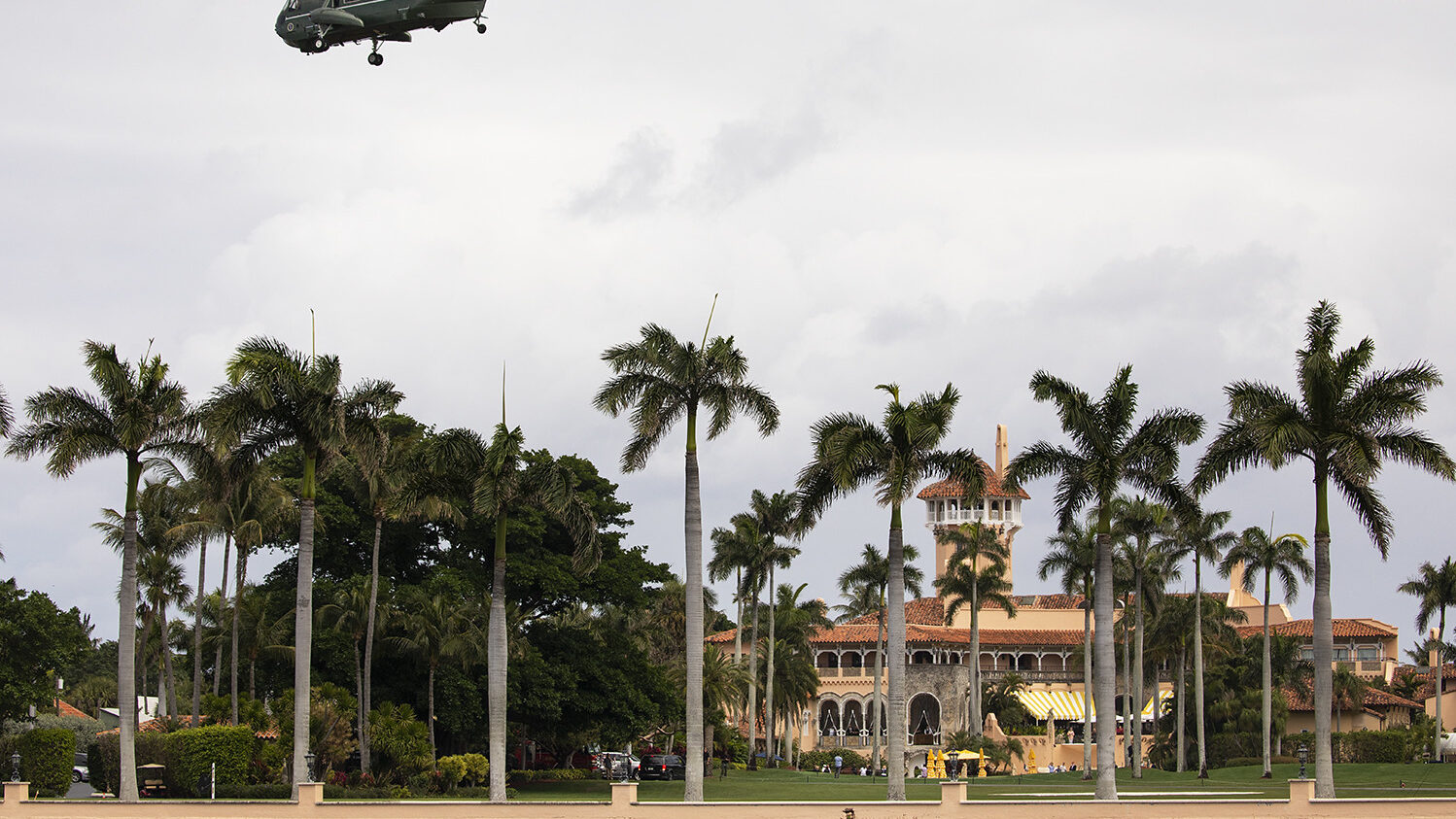
The newly released emails show FBI agents flagged doubts about having probable cause before the 2022 Mar-a-Lago search, while DOJ officials pushed ahead, raising serious questions about politicized decision making and institutional accountability.
Emails disclosed by Sen. Chuck Grassley’s office reveal a tense back-and-forth between FBI investigators and Department of Justice attorneys in the run-up to the Mar-a-Lago search. Those messages indicate FBI staff raised concerns about whether the evidence available met the traditional probable cause threshold. Despite those concerns, the operation went forward, which Republicans say points to political influence at the highest levels. The documents add another layer to a controversy that has already inflamed Americans across the political spectrum.
The core factual claim is straightforward: agents worried they lacked probable cause, yet the raid occurred. That tension is the heart of the new disclosures and the reason many conservatives view the episode as an abuse of prosecutorial discretion. Republicans argue the decision to execute the search despite internal reservations undermines norms designed to protect citizens from government overreach. The emails give a rare inside look at how the FBI and DOJ balanced evidence with the pressure to act.
For years, legal standards like probable cause have been treated as bulwarks against arbitrary enforcement. When those standards appear stretched or set aside, it erodes trust in law enforcement and the justice system. Critics say the Mar-a-Lago case is not just about one operation; it is about whether the rules apply evenly or can be bent for political expediency. That is why conservative lawmakers have pushed for more hearings and document releases.
Republican members of Congress have used the Grassley release to demand clarity on who made the call and why. They point to the timing and tone of internal messages as evidence of top-down pressure rather than a purely evidence-driven approach. To many on the right, the episode confirms long-held suspicions that the DOJ could be weaponized against political opponents. The emails are now central to efforts to pin responsibility on decision makers rather than rank-and-file agents.
Legal analysts who lean conservative emphasize that probable cause is a legal threshold, not a flexible guideline. If agents told supervisors they did not believe they met that threshold, the rationale for forcing a search warrant becomes thin. That alleged mismatch raises questions about the content of warrant applications and what was presented to the issuing judge. The public deserves to know whether judicial safeguards were respected or bypassed.
Beyond legalities, there are consequences for institutional culture. FBI agents who feel their professional judgments are overridden may hesitate in future investigations, or they may internalize the idea that politics trumps evidence. Either result is damaging to an agency that relies on credibility and impartiality. Republicans warn that letting this pattern stand will encourage future administrations to view investigative tools as weapons in partisan fights.
Some defenders of the DOJ and FBI argue the decision was justified by classified material concerns and national security implications. Republicans counter that national security arguments cannot be a blanket justification for sidelining constitutional protections. The exchange of emails, as released, does not appear to demonstrate a rigorous record of probable cause that would satisfy skeptical observers. That lack of clarity fuels calls for more detailed disclosures about the legal basis used to obtain the warrant.
Congressional oversight committees are now sorting through the newly disclosed messages and seeking additional records that could show a clearer timeline and chain of command. Republican lawmakers emphasize transparency because it is the only route to restore public confidence. They also stress restoring balance by reforming procedures so future decisions cannot be made under ambiguous political pressure. The argument is that prevention beats litigation and political fallout.
The political fallout is already evident in rhetoric from both sides, but the emails themselves will determine the legal and institutional response. Republicans want accountable officials and clear institutional reforms that prevent similar situations in the future. That includes clarifying standards for senior-level intervention in sensitive matters and ensuring independent reviews where internal disagreement arises. What remains to play out is whether the disclosures will produce meaningful checks on prosecutorial discretion.

