

Republicans face a raw political test as rising grocery bills and gas prices push everyday concerns to the forefront, forcing the party to sharpen its message and sharpen policy offers before voters cast ballots.
“Classic kitchen table issues have the GOP on edge as midterms approach.” That line isn’t idle copy; it’s the tone of households across the country reacting to persistent price spikes at the pump and in the produce aisle. For Republicans, these are not abstract policy fights but immediate vulnerabilities that shape how swing and working-class voters feel about the party in power. Handling them well could make the difference between holding ground and losing seats.
As of May 28, 2026, inflation in essential categories remains the headline problem for many families. Republicans are arguing that energy policy, regulatory burdens, and fiscal choices under the current administration have played a major role in keeping costs elevated. That message is simple and direct: higher prices hit paychecks and pocketbooks now, and voters remember who controlled policy when their bills rose. The GOP sees a clear path to tie economic pain to the policies that produced it.
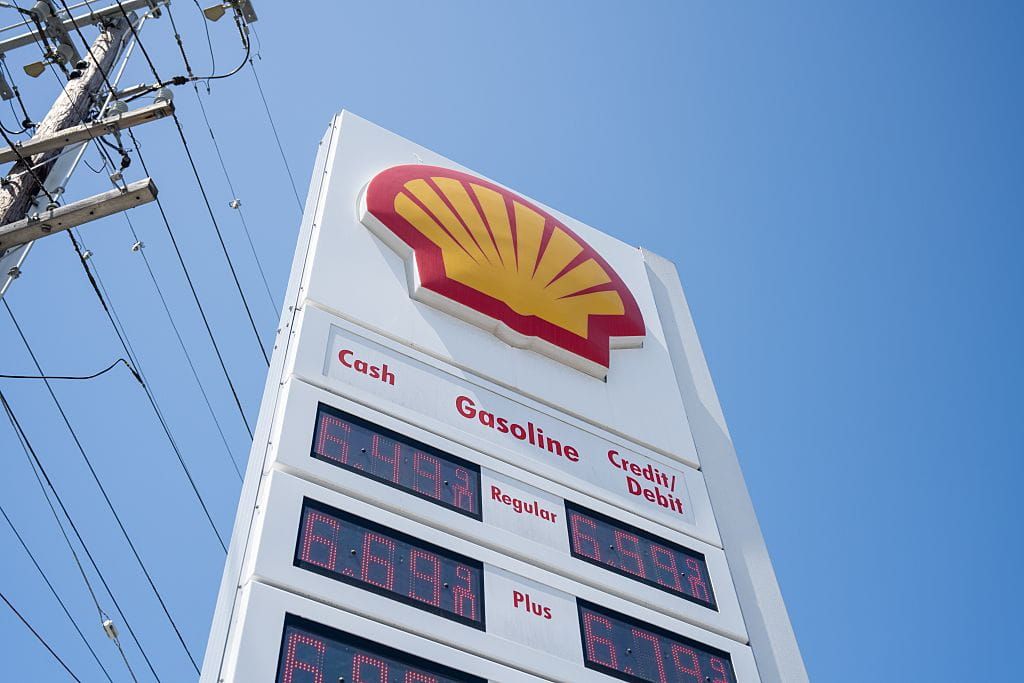
Gas prices are a political flashpoint because they’re visible every week, while food inflation digs into monthly budgets. Republicans point to policy decisions that limit domestic energy production and increase reliance on foreign supply as part of the price story. They also stress permitting reform, expanded drilling where appropriate, and elimination of needless regulatory hurdles to bring supply back and lower costs. To many voters, the fix looks practical and immediate.
Food prices are messier, with supply chains, labor shortages, and global conditions all in play. Republicans emphasize freeing up logistics, cutting red tape for farms, and opposing mandates that raise production costs. Those moves are pitched as pro-consumer and pro-producer alike, aimed at nudging prices down without big new spending programs. The GOP’s economic pitch focuses on incentives and markets rather than expanding transfers.
Messaging alone won’t be enough, so the party is pushing concrete proposals at state and federal levels. They talk about reducing permitting times, accelerating infrastructure that helps agriculture and distribution, and restoring energy independence to blunt external shocks. Republicans frame these steps as common-sense reforms that produce durable results for families and businesses. The aim is to be both corrective and practical.
Republican strategists know that kitchen-table economics often trumps ideology at the ballot box, especially for independent voters. The party is therefore working to translate its policy prescriptions into clear, everyday impacts voters can understand. That means explaining how lower regulatory costs or improved supply chains will translate into cheaper groceries or fewer trips to the pump. It also means making the case that these measures are sustainable and do not expand dependence on government.
There are political risks tied to tone and priority. If GOP leaders sound like they’re simply blaming Washington without offering realistic remedies, the argument falls flat. The party must show it can govern sensibly and target relief where families feel it most. Republicans are trying to avoid alienating suburban voters while reconnecting with working-class communities feeling squeezed.
Another part of the strategy is holding contrasts with the administration on competence and priorities. Republicans argue that fiscal discipline and energy independence are the quickest routes to easing cost pressures. They also stress that long-term solutions require private-sector investment and a lighter hand from regulators. This contrast is central to the party’s pitch heading into competitive races.
Local campaigns will matter because voters experience price changes differently across regions. Republican candidates are tailoring messages to farming districts, oil and gas communities, and suburban neighborhoods where commuting costs dominate. National themes are important, but local examples of how policy changes can cut costs will carry more weight. That localized approach is meant to make the promise tangible.
Polling volatility means there’s no room for complacency; economic issues can shift electoral dynamics quickly. Republicans intend to keep the focus on costs at home while offering policy fixes framed as immediate and realistic. The goal is to move the conversation from abstract blame to achievable steps that ease everyday burdens. Voters want to know what comes next, not just who to blame.
Internally, the party debates how much to emphasize big-picture reforms versus immediate relief measures like tax credits or targeted subsidies. Some Republicans worry that short-term concessions could undercut long-term fiscal credibility, while others argue a mix of policies is necessary to win votes now. Those tensions shape campaign choices and legislative priorities. Finding the balance will be a test of political judgment.
Ultimately, the question for Republicans is whether policy clarity and direct outreach to affected voters can translate into electoral resilience. The strategy rests on convincing Americans that practical, market-based steps will bring relief without expanding government dependency. If the party can sell that story credibly, it improves its chances of weathering the frustration and turning economic issues into political advantage.

