

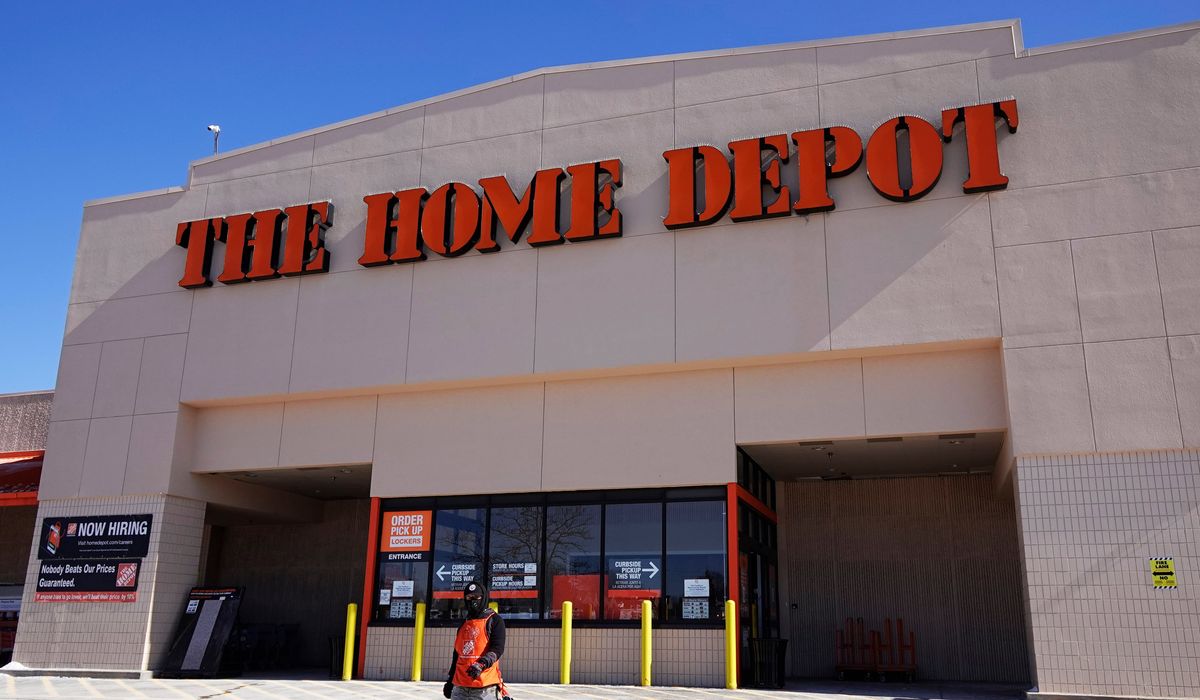
Home Depot reported a clear spring uptick, driven by professional customers and household shoppers refreshing projects for the season.
Home Depot got a lift in the first quarter from professionals and also homeowners stocking up on spring supplies. The company’s retail footprint and service mix tend to lean on predictable seasonal swings, and this spring was no exception. That blend of contractor and DIY demand created a stronger traffic pattern than some expected for the period.
Professional buyers—contractors, remodelers, landscapers and builders—provided steady, higher-ticket business that kept store bays moving. Pros often buy in volume and return regularly, so even small shifts in their workloads show up quickly in sales. Home Depot’s focus on pro services, credit offerings and dedicated checkout lanes matters when those customers accelerate purchasing.
At the same time, homeowners came in for classic spring categories: outdoor living, lawn and garden, paint and general maintenance. Media-friendly projects like decks and patio upgrades and routine seasonal maintenance push a lot of smaller-ticket items and accessories. When homeowners tackle a string of weekend projects the combined effect on basket size and frequency is meaningful for quarterly results.
Behind the scenes, getting the right inventory on shelf and online is crucial to convert that interest into receipts. Home Depot’s supply chain and vendor relationships shape what shows up when professional fleets and weekend shoppers arrive. Timely replenishment of bulky, seasonal goods and the availability of installation services smooths demand peaks and keeps customers from looking elsewhere.
Sales come through a mix of channels, and Home Depot has leaned into that omnichannel blend for years. In-store pickup, local delivery and project-consultation services shorten the path from intent to purchase and are especially useful for pros managing timelines. The company’s store network also supports same-day needs that big online-only players can’t match for many contractors.
Pricing moves and promotions influence how much shoppers spend, but the core driver remains the health of construction and household budgets in any given region. When builders ramp up, they bring a different margin profile than sporadic DIY shoppers, shifting overall revenue composition. Managing markdowns and freight costs while keeping shelves stocked is a balancing act that directly affects profitability.
Operational decisions—staffing at peak weekends, product assortment by market, and pro-focused services—determine whether spring demand turns into sustained momentum. Investment in pro loyalty and faster fulfillment can lock in high-frequency buyers and expand larger account relationships. Those choices often set the tone for the rest of the year in terms of repeat business and contractor loyalty.
Looking ahead, industry watchers will be tracking how consistent pro workloads remain and whether homeowners carry momentum into summer renovation cycles. Inventory discipline and execution at the local store level will be watched closely for signs of broader retail resilience. The interplay of seasonal buying, pro demand and operational execution will shape results as the year progresses.

