

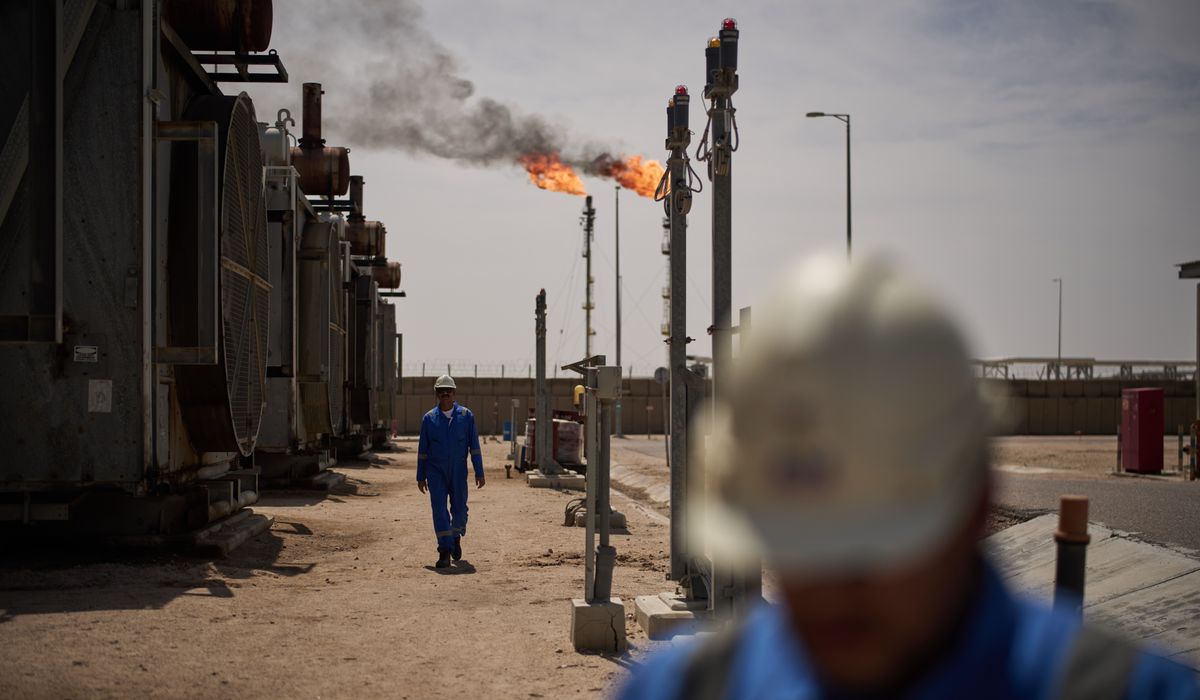
The crisis around the Strait of Hormuz has pushed Gulf states and trading partners to develop alternative oil export routes, relieving pressure on global supply and curbing Iran’s capacity to weaponize the chokepoint.
The Strait of Hormuz sits at the center of global energy politics, and recent tensions have shown how vulnerable world markets can be when a single narrow waterway is threatened. Regional capitals and their trading partners are moving fast to open and expand land and sea alternatives for crude and refined products. These shifts are already loosening the tightness in markets and cutting Tehran’s leverage over shipping lanes.
Countries in the region are investing in pipelines, ports, and transfer terminals designed to bypass the strait entirely. Overland pipelines that route oil to the Arabian Sea and the Gulf of Oman reduce the need for tankers to transit the strait and limit exposure to maritime interdiction. At the same time, expanded export terminals and storage hubs in friendly ports provide buffers that smooth shipments during spikes in maritime risk.
Shipowners and insurers are adjusting too, routing vessels around safer corridors and paying premiums that reflect current risks rather than worst case shutdowns. That market response gives importers breathing room and signals to Tehran that threats to close the Strait will no longer trigger catastrophic shortages. Private industry moves like these can complement state efforts to keep energy flowing and markets stable.
From a security standpoint, nations are combining diplomatic pressure with increased naval patrols and convoy practices to safeguard chokepoints and alternate routes. Allied navies cooperating on intelligence and escorts reduce the chance that a single incident spirals into a regional showdown. That layered approach forces potential aggressors to weigh costs against any temporary gains from disruption.
Energy independence and diversified supply chains are now being taken seriously by producers and consumers alike. Refining capacity, storage investments, and cross-border pipeline projects create redundancy so one disrupted route cannot cripple markets. Those practical measures shift bargaining power away from actors who rely on maritime chokepoints for influence.
Economic tools matter as much as military steps. Sanctions, shipping sanctions, and port access restrictions remain useful levers to deter abusive behavior and punish attempts to weaponize commerce. When political pressure and credible consequences are applied in concert with physical route changes, coercive strategies lose effectiveness and become far less attractive.
For Gulf producers, opening new arteries to market also brings long-term commercial upside. Diversified export systems reduce volatility and can unlock premium customers who worry about supply reliability. Over time, lower volatility attracts more investment into upstream projects and downstream capacity, which strengthens both regional economies and the global energy base.
Policymakers backing these shifts should stay focused on practical, results-driven support: intelligence sharing, targeted naval cooperation, and financing for infrastructure that cuts transit risks. Those are the kinds of moves that deliver immediate improvements without provoking unnecessary escalation. At the same time, making clear that threats to maritime freedom carry consequences is essential to deterrence.
Markets are already reacting to the new picture: shipping patterns change, freight spreads tighten, and buyers reassess risk premiums as more robust routes come online. That is the real payoff of diversified logistics and collective security. The end result is a more resilient energy landscape where no single strait can hold the world economy hostage.

