

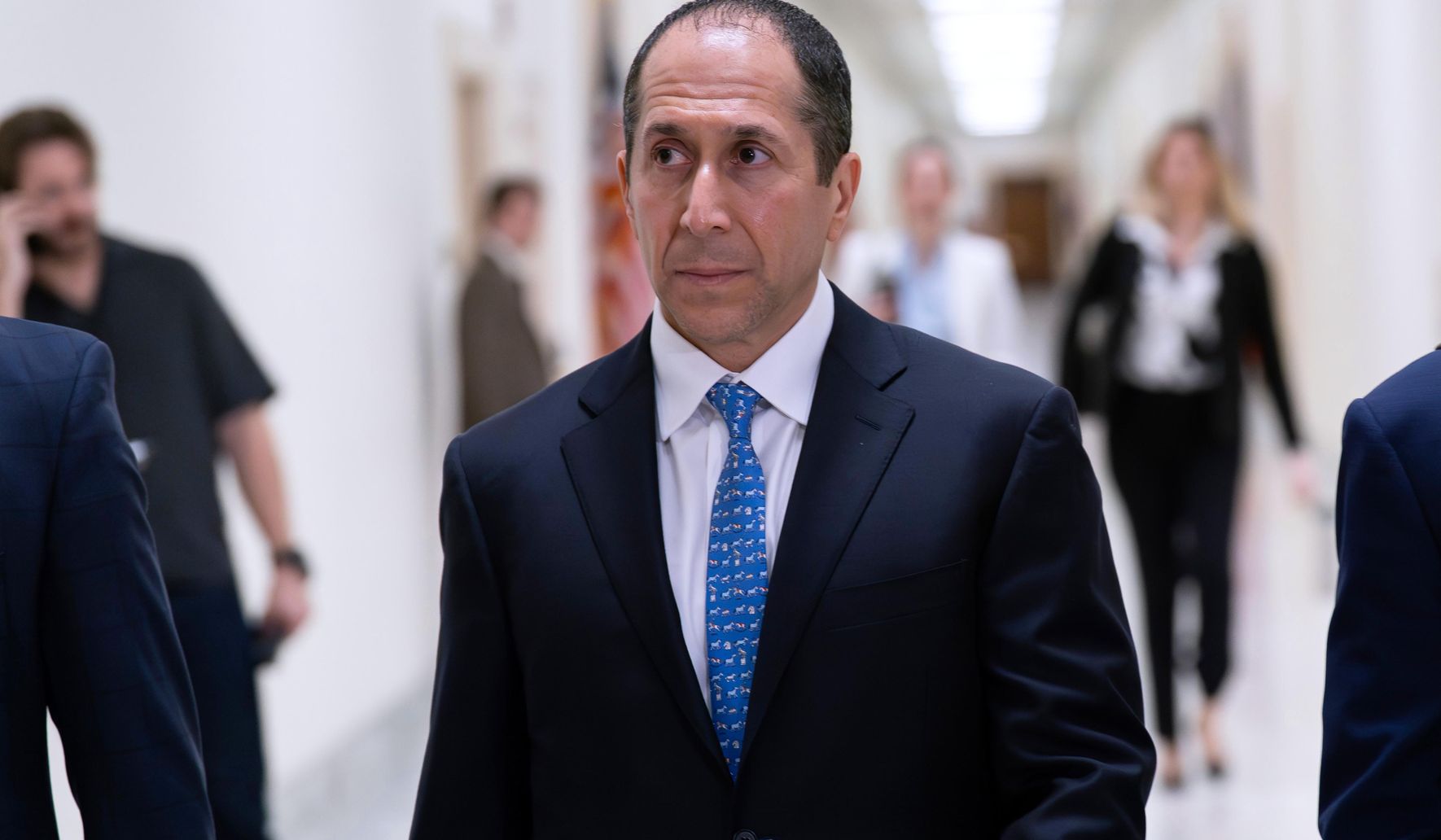
House Republicans pressed into Jeffrey Epstein’s financial web on Wednesday, deposing his former accountant as the committee worked to map out how his money moved and who was linked to it.
House lawmakers were digging into Jeffrey Epstein’s sprawling financial portfolio on Wednesday as a committee deposed his former accountant and tried to understand his connections to some of the people, companies and transactions that supported his operations. The hearing focused on money, ownership structures and the professional network that managed or benefited from his assets. Republicans framed the investigation as necessary oversight to expose how wealth and influence shield wrongdoing and to restore accountability.
The former accountant’s testimony aimed to illuminate the flow of funds through trusts, shell entities and property holdings that critics say obscured who really owned or controlled accounts. Lawmakers pressed for details on billing practices, bookkeeping, and any professional advice that may have enabled tax or reporting maneuvers. For Republican members, the point was simple: transparency around financial conduct matters when it intersects with criminal behavior and potential facilitation by advisers or institutions.
Questions zeroed in on real estate transactions, private aviation arrangements and the corporate structures tied to Epstein’s assets, since those are common tools used to compartmentalize wealth. The committee sought to learn who signed documents, who received payments and whether accounting practices reflected ordinary business or deliberate obfuscation. Republicans emphasized that uncovering financial ties can reveal whether powerful people or firms played a role in enabling abuse or evading scrutiny.
Witnesses were asked to walk through ledger entries, trustee relationships and any interactions with banks, law firms or financial managers who handled Epstein’s accounts. The testimony explored whether routine legal and accounting services crossed into enabling conduct that should have triggered red flags. From a Republican perspective, there is political value in showing there will be consequences when professionals or institutions prioritise clients over compliance and victims’ safety.
Members of the committee described subpoenas and depositions as necessary tools to get a full picture, arguing that voluntary cooperation had been insufficient to date. The former accountant’s answers were compared against corporate filings, property deeds and flight logs, as lawmakers tried to assemble a coherent timeline of financial moves. Republicans framed their efforts as enforcing the rule of law and protecting citizens from the way concentrated wealth can hide exploitation.
Throughout the session, Republicans highlighted the need for stronger rules to prevent similar scenarios in the future, pointing to gaps in reporting, beneficial ownership disclosure and cross-border coordination. They argued that better enforcement and clearer standards for professionals who manage high-risk clients would reduce opportunities for abuse. The message was that robust oversight and common-sense reforms can limit how money and influence enable criminal conduct.
The committee also debated whether existing penalties for misreporting or facilitating questionable transactions are adequate to deter bad actors. Republican lawmakers suggested tightening penalties and enabling quicker information sharing between regulators and law enforcement. That approach, they argued, would make it harder for wealthy individuals to use complex financial arrangements as shields against accountability.
Testimony from the accountant added pieces to a larger mosaic that includes financial records, witness statements and other depositions still to come. Republicans insisted on following the money to understand the full extent of what occurred and to identify any professionals or entities that might have crossed ethical or legal lines. The drive for transparency was presented as a bipartisan necessity that, in practice, required aggressive congressional power to subpoena documents and compel testimony.
As the committee continues its work, Republican members stressed that digging into Epstein’s financial structures is not just an academic exercise but a practical step toward preventing future abuses of power. They framed their oversight as protecting victims and ensuring no one is above the law because of money or influence. The pacing of depositions and document requests suggested the investigation will remain active as lawmakers seek to piece together the trail of transactions and relationships that supported Epstein’s operations.

