

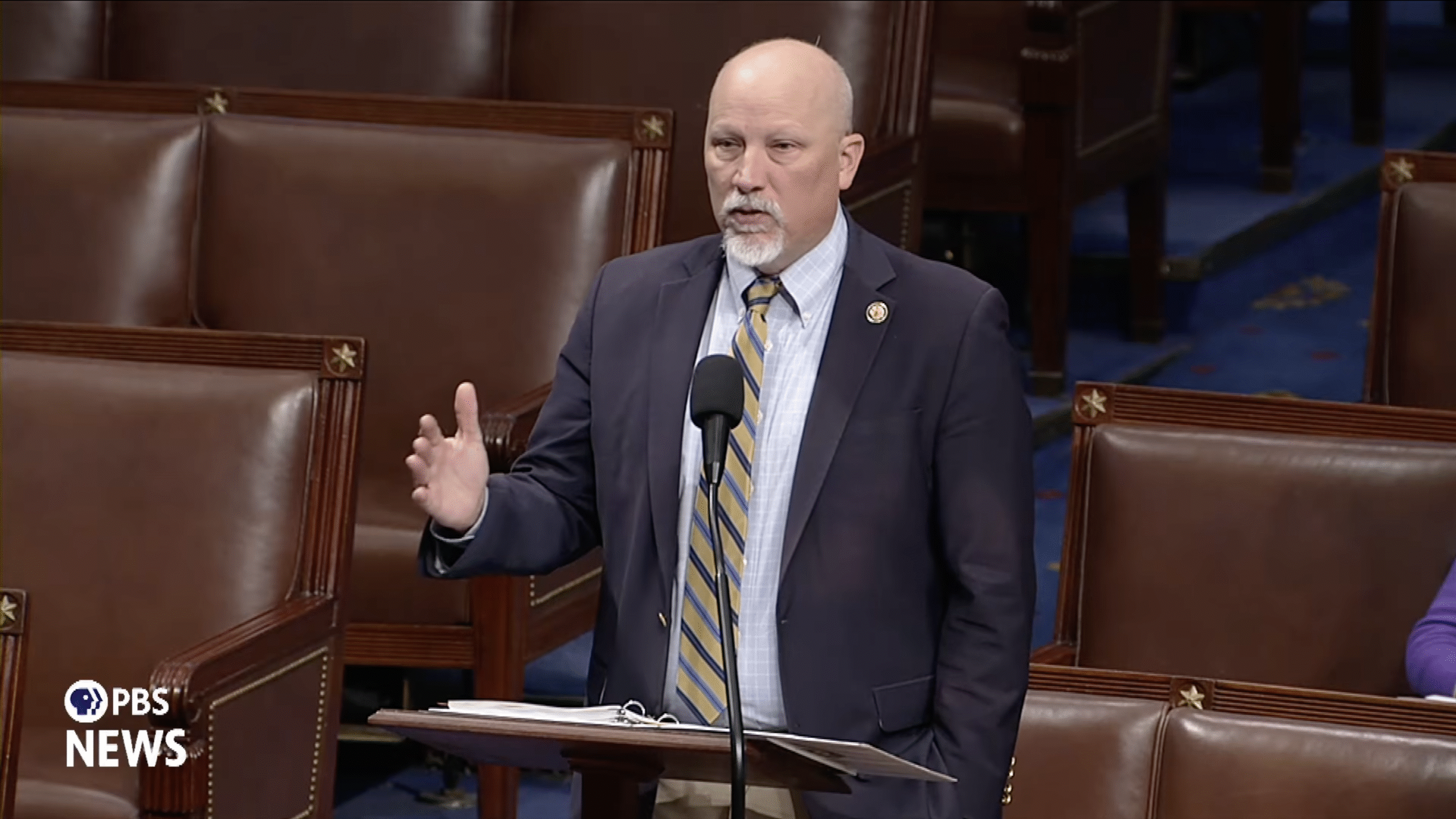
Nearly every Democrat in the House opposed a bill that would require documentary proof of citizenship to register and a photo ID to vote in federal elections, while the chamber passed the Safeguarding American Voter Eligibility (SAVE) America Act 218-213 with only Rep. Henry Cuellar of Texas joining Republicans in support.
The vote in the House was a clear moment. Nearly every single Democrat voted against legislation that would require documentary proof of citizenship to register to vote and photo ID for voting in federal elections. The House passed the Safeguarding American Voter Eligibility (SAVE) America Act 218-213.
Only one Democrat broke with the party on this issue. Just Democrat Rep. Henry Cuellar of Texas voted to pass the legislation alongside his Republican colleagues. His vote highlighted a split within House Democrats on election rules and voter verification measures.
From a Republican point of view, the bill is about restoring basic confidence in federal elections. Requiring documentary proof of citizenship at registration and a photo ID at the polls feels like common-sense accountability rather than a partisan power grab. Supporters argue these steps protect the integrity of the voter rolls and ensure only eligible citizens cast ballots in federal contests.
Opponents, mainly House Democrats, framed the measure as a barrier to voting. They say stricter documentation and ID rules can suppress turnout among vulnerable communities. That argument was the core of their unified opposition, which kept the margin close at 218-213 despite Republican backing.
Republicans counter that protecting the vote and making voter rolls accurate do not mean denying anyone the right to vote. They stress that verification safeguards simply confirm who is eligible under federal law. The SAVE America Act was written to target federal elections, where uniform standards are argued to be especially important for maintaining public trust.
One practical takeaway is that the bill forces a conversation about national standards versus state control. Supporters say federal elections require consistent rules so that the same basic criteria apply from state to state. Critics insist that states should set their own rules and that federal directives risk creating confusion or unequal access.
For Republicans, the broader point is about accountability and transparency. They argue that modernizing voter verification protects the franchise by making it harder for mistakes or intentional fraud to affect outcomes. This viewpoint frames identification and proof-of-citizenship requirements as proactive measures to prevent problems before they arise.
The lone Democratic defection by Rep. Henry Cuellar drew attention for a reason. Cuellar has often positioned himself as more conservative on immigration and border issues compared with many in his party, and his yes vote reflects that stance. His decision will likely be used by both sides—Republicans as evidence of bipartisan support, and Democrats as a sign of internal disagreement.
Political consequences could follow the vote depending on how the Senate and future Congresses handle election rules. If similar measures advance, states and advocacy groups will gear up for legal fights and public campaigns over access versus security. For now, the House action puts pressure on Democrats to explain why they largely rejected the proposed verification steps.
The debate is not just legislative; it is cultural and political. Voter confidence, concerns about disenfranchisement, and disputes over federal authority will continue to shape messaging on both sides. What happened with the SAVE America Act shows how sharply divided lawmakers are on the balance between safeguarding elections and ensuring broad voter participation.
Expect this issue to keep surfacing in campaign discourse and committee hearings. Republicans will push the theme of election integrity as a cornerstone of good governance, while Democrats will emphasize protecting access for underrepresented voters. The narrow House vote makes clear that election rules remain a flashpoint with high stakes for both parties.

