

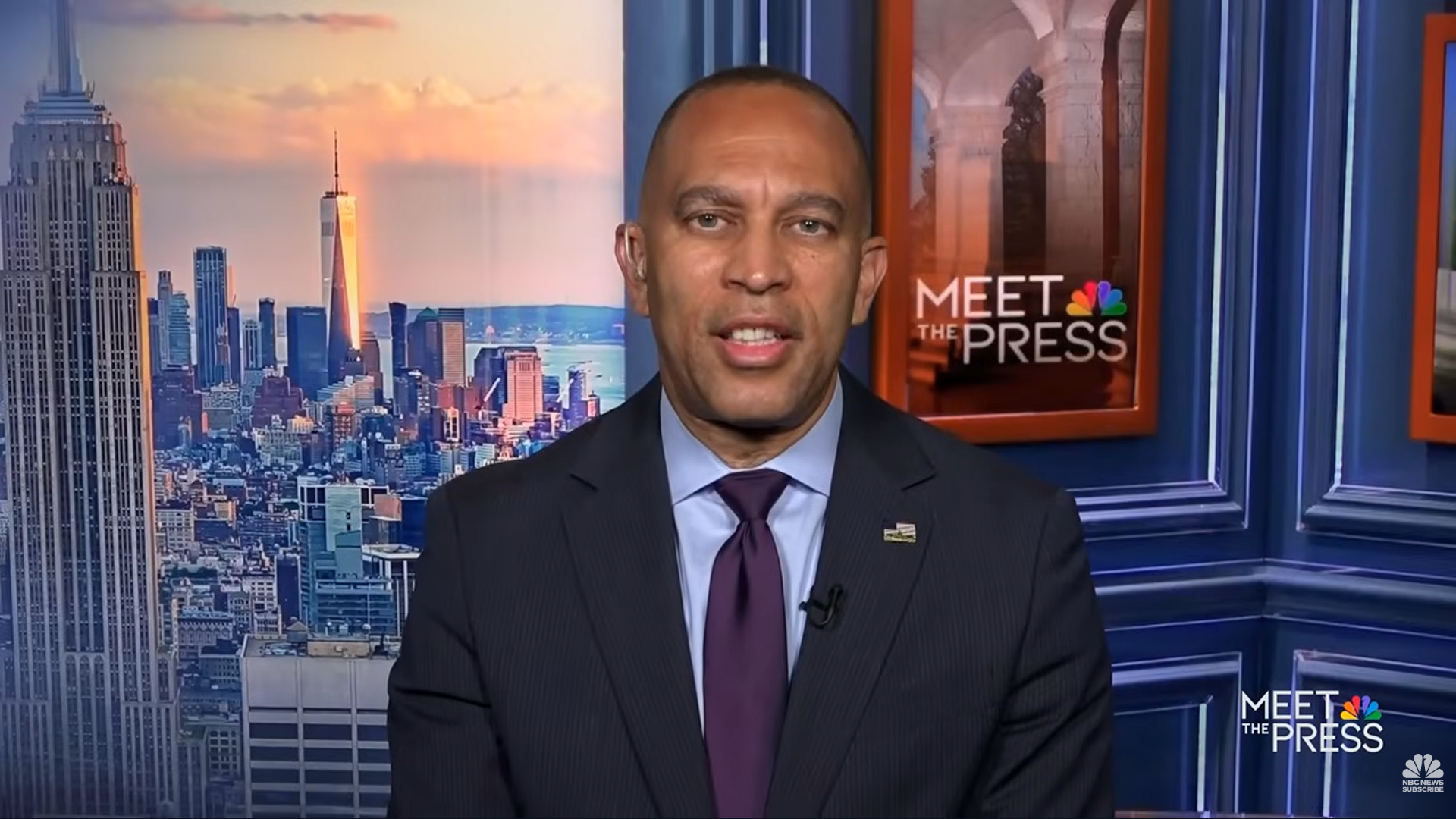
The piece argues that Hakeem Jeffries is packaging himself as a centrist while planning to push a far-left agenda, calling for voters to look past the shadow play and judge him by actions not labels.
What Jeffries is doing is an attempt to deceive voters with a ‘moderate’-sounding position, with every intention of governing hard-left once given power. That sentence captures the core charge made by many on the right watching his messaging closely. It is a compact claim that demands scrutiny of rhetoric versus record. Voters deserve to know whether a politician’s words match what he would actually do in office.
Branding matters in politics and calling yourself a moderate can open doors in swing districts. Politicians who adopt that language can neutralize opposition and win over cautious voters. When the promise is moderation but the pattern of votes and alliances leans progressive, skepticism is justified. Americans should expect clear positions, not clever packaging.
Critics argue Jeffries and others like him have a playbook: soften the language, adopt centrist terminology, and avoid hard commitments until after the election. That approach allows for broader appeal while keeping policy options open. After the ballots are cast, the tougher choices reveal true priorities. For voters this means looking past slogans to where power actually flows.
Some Republican observers point to the contrast between campaign tones and governing coalitions as evidence of a shift once power is at stake. Messaging aimed at persuadable voters often paints broad strokes while behind-the-scenes alliances shape policy direction. That disconnect can be alarming when it results in abrupt policy shifts. The underlying worry is that promises will be replaced with partisan pressure once leaders hold real authority.
Another angle is accountability. Candidates who promise moderation should be prepared to explain how their votes and sponsorships match that claim. Transparency about past positions and possible compromises gives voters a more honest basis for judgment. Without that clarity, skepticism grows and trust erodes. Accountability is not about punishment, it is about ensuring voters can make informed choices.
The political dynamic also includes incentives from the party infrastructure and activist wings. Leadership often balances competing factions, and who holds sway affects policy outcomes. If the activist base rewards more progressive positions, leaders who rely on that base might follow the incentives. For skeptical voters, the question is who will shape policy when push comes to shove.
Messaging tactics can temporarily obscure long-term priorities, and good campaign spin can sound convincing in speeches and ads. Still, governing requires coalition building, budget negotiations, and votes that cannot be undone by rhetoric alone. Observers who warn about a hidden hard-left agenda argue that the real test is in legislation and enforcement, not promises. Those who back that warning urge consistent examination of actions over time.
There is also the electoral consequence to consider. When voters feel misled, the backlash can reshape future contests and erode trust across the political spectrum. Parties that misrepresent their aims may win short-term battles but lose credibility with persuadable voters. Political reputations take years to rebuild, which is why transparency matters now.
Ultimately this debate is about how we choose representatives and how faithfully they represent advertised values. Voters expecting moderation should demand concrete examples and commitments that align with that label. The political conversation around these tensions will keep testing the difference between campaign branding and governing reality. The stakes are high whenever labels and actions drift apart.

