

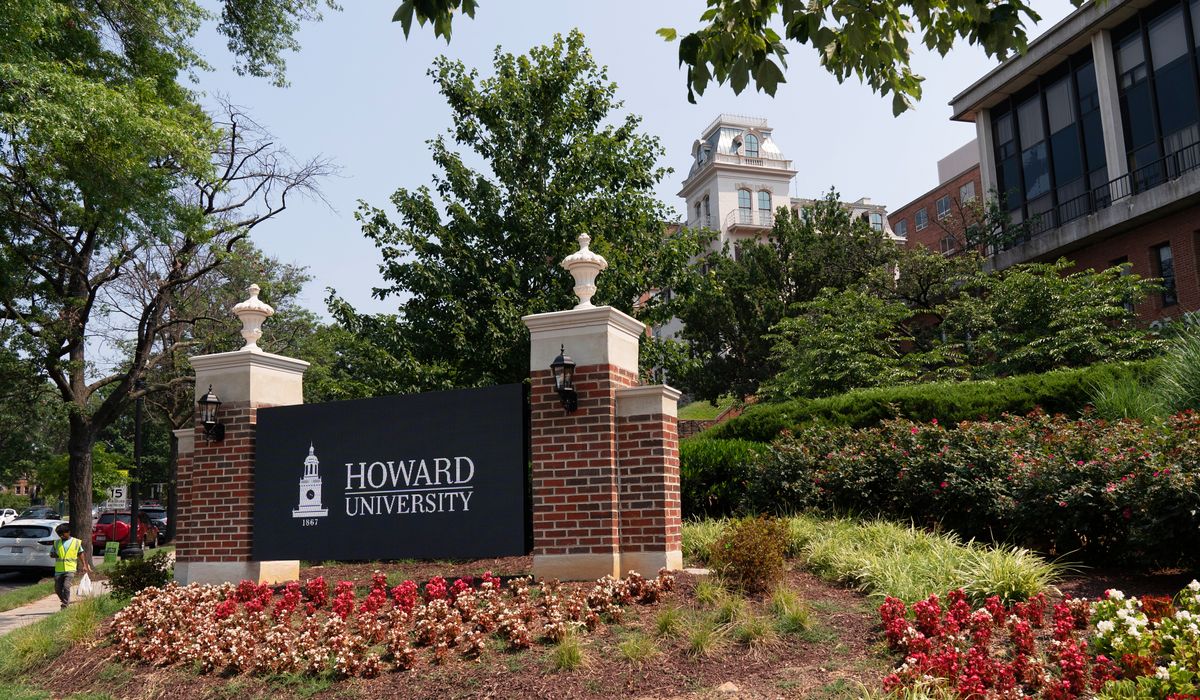
A’Zariah Miles was days away from starting at Howard University when that plan suddenly fell apart, leaving questions about how colleges handle last-minute enrollment setbacks.
A’Zariah Miles’ dream of attending Howard University was a few weeks from being realized. Then it all came crashing down. That turn of events left a promising student scrambling and raised wider concerns about how universities manage the final steps of admission.
Students preparing to move onto campus depend on clear, stable communication from their school, especially in the weeks before classes begin. When a late enrollment reversal happens, it disrupts housing, financial planning, and emotional preparation. Families and students can be left with little time to respond or appeal.
Administrative holds, documentation gaps, financial verification or simple clerical mistakes are common triggers when an enrollment suddenly changes. Any one of those issues can turn an acceptance into a suspension of enrollment within days. The mechanics vary, but the consequences are similar: a student loses momentum at a critical moment.
Colleges must balance the need for accurate records with the human cost of last-minute decisions. Institutions often have verification steps to protect financial aid integrity and comply with regulations, yet those processes can be invasive and opaque. When they fail, the people most affected are the students, not the bureaucrats.
For a student who has mentally moved into a new community, a sudden reversal feels like being evicted from plans, not just from a dorm room. Beyond logistics, there’s an emotional toll that can affect mental health and confidence. That impact should factor into how universities design timelines and communicate deadlines.
Clear appeals processes can prevent mistakes from becoming catastrophes. If students can access a fast, transparent path to resolve paperwork or financial issues, many problems are fixable. Timely human review, rather than automated final denials, helps protect students from irreversible setbacks.
Families and guidance counselors also deserve straightforward information about deadlines and potential pitfalls. High school seniors and their parents rarely have experience navigating late-stage enrollment problems. Better guidance from both high school counselors and college admissions offices would reduce surprises.
There are practical steps universities can take: improve notice systems, allow provisional moves for students with pending verification, and create rapid-response teams for cases triggered weeks before matriculation. Those measures require resources, but the payoff is fewer disrupted lives and less reputational damage. Investing in smoother handoffs between acceptance and orientation protects both students and schools.
Students should be proactive too, by confirming paperwork early, checking financial aid status regularly, and keeping records of all communications. Still, the burden should not fall solely on students during what is supposed to be an exciting transition. Institutions must accept responsibility when their internal processes generate last-minute crises.
When college dreams wobble at the threshold, the public conversation should focus on solutions, not finger pointing. That means transparent reporting on why these reversals occur and what fixes are being implemented. The goal is straightforward: ensure that the weeks before move-in are about excitement and preparation, not scrambling to undo errors.
For students like A’Zariah Miles, the fallout from a last-minute enrollment collapse is immediate and sharp. The path forward requires both short-term help to correct the specific problem and long-term policy changes to prevent similar collapses. Colleges that prioritize clarity, compassion, and speed in resolving enrollment issues will avoid turning hopeful beginnings into sudden disappointments.

