

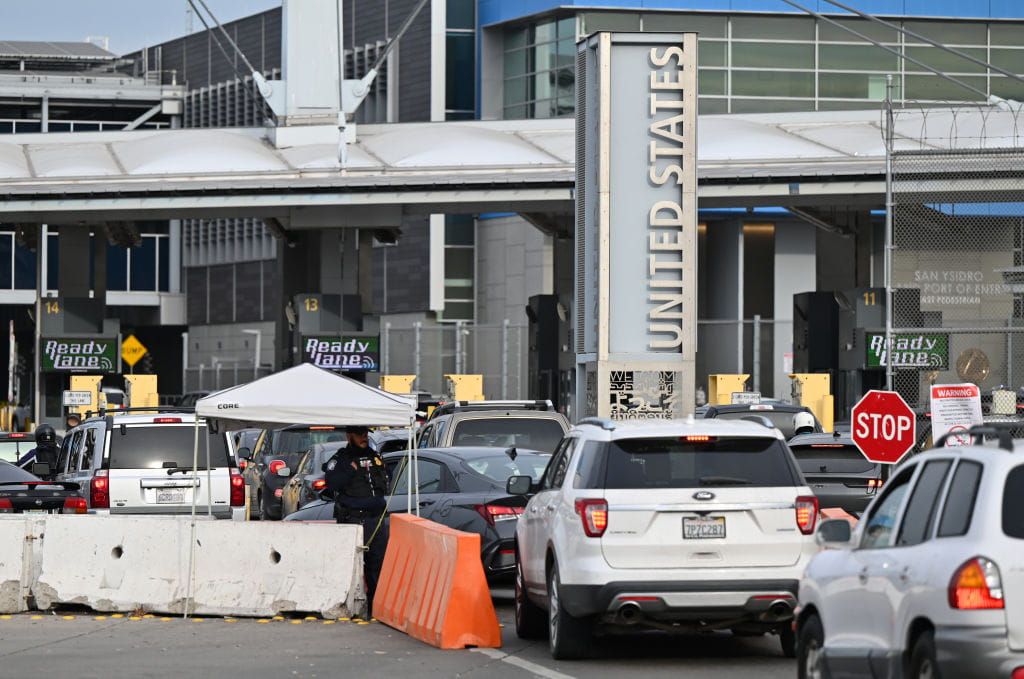
Border crossings have eased recently, yet law enforcement is seizing more fentanyl than before, and traffickers are shifting tactics to push deadly drugs into American communities.
The shift is stark: recorded illegal entries have ticked down, while seizures of fentanyl and other synthetic opioids are climbing. This divergence shows smugglers are adapting fast, using new routes and concealment methods to bypass weakened border defenses.
Traffickers are finding different ways to smuggle even more dangerous drugs. What was once a flow dominated by people seeking entry is now increasingly focused on moving poison—small, lethal doses packed into parcels, hidden in vehicles, and handed off to couriers. That change matters because it concentrates risk in neighborhoods far from the border and multiplies accidental overdoses.
From a Republican perspective, the pattern is a predictable consequence of lax enforcement and muddled policy. When deterrence falters, cartels innovate. Tough, consistent border policing and smart cooperation with regional partners used to make smuggling harder; when those tools are underused, smugglers fill the gap with creative smuggling techniques that exploit legal and logistical loopholes.
Federal and local law enforcement say they are working overtime to intercept shipments, and Customs officers report larger hauls during targeted operations. Those seizures show the smuggling networks are prolific and well funded, often backed by international criminal organizations that treat fentanyl as a high-margin commodity. The spike in seizures is a sign both of increased trafficking and of better-targeted enforcement in some sectors—but it is not proof the problem is shrinking.
Communities are paying the price. Emergency rooms, first responders, and coroner offices are seeing more cases tied to potent synthetic opioids, and families are losing loved ones to doses small enough to fit on a fingertip. This human cost underscores why border security cannot be reduced to statistics about crossings alone; the lethal goods that cross the border are a separate and urgent threat that demands focused action.
Practical solutions from a law-and-order standpoint start with restoring clear enforcement priorities at the border and reining in policies that create incentives for smugglers. That means funding technology and personnel where they deter traffic, speeding convictions for people who smuggle drugs, and tightening oversight of cross-border cargo and mail streams without crippling legitimate trade. It also means holding transit partners accountable when shipments originate elsewhere and move through multiple jurisdictions.
Intelligence-driven efforts are crucial. Tracking fentanyl production and distribution requires following financial flows, cutting off precursor chemicals, and targeting the networks that coordinate shipments. Interagency cooperation that blends local knowledge with federal capabilities can disrupt supply lines, while international diplomacy can pressure countries where precursors are manufactured or where cartels operate freely.
At the same time, policymakers must avoid solutions that simply move the problem around. Closing one route without shutting down demand or choking off the supply chain encourages smugglers to find another weak point. Public health strategies to reduce addiction, combined with criminal penalties for traffickers, create a two-pronged approach that tackles both supply and demand.
Political accountability matters. Voters expect leaders to secure borders and protect communities from deadly drugs, and state and federal officials should be measured against those expectations. If illegal crossings decline but deadly substances keep pouring in, the public will rightly ask why different kinds of border failure are being treated as unrelated problems.
Fixing this requires steady enforcement, clearer policy choices, and cooperation across jurisdictions. The goal is straightforward: stop the smugglers, shut down the supply, and save lives. Doing that will take focused effort, not wishful thinking, and it will require a willingness to make the hard decisions that restore effective border control.

