

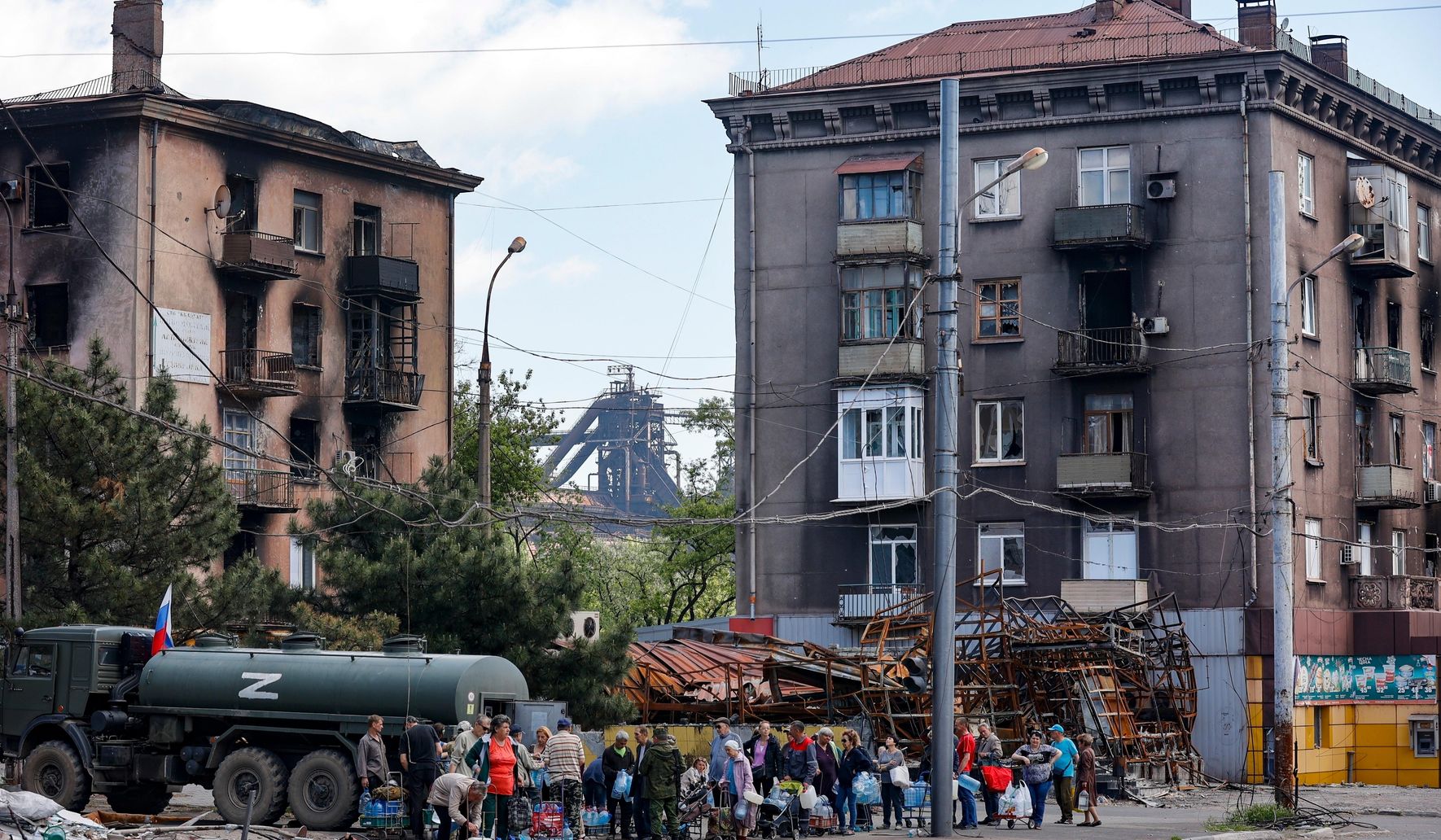
Inna Vnukova, now living in Estonia, still carries vivid memories of Russian occupation in eastern Ukraine from the early days of the war, and those memories shape how she sees safety, justice, and what it takes to protect people from aggression.
Inna’s story is straightforward and brutal: she lived under occupation in eastern Ukraine and escaped to Estonia. She describes the fear as persistent, not something that fades with distance or a new address. That kind of memory, she says, informs how she moves through the world now.
Living under occupation meant constant uncertainty about who could enter a home, who to trust, and what would happen tomorrow. People like Inna learned the hard way that slow responses and weak deterrents leave civilians exposed. For many survivors, the most painful loss is the erosion of basic security and the sense that the rules protecting civilians no longer matter.
Estonia became a refuge where Inna could rebuild a daily routine and sleep without immediate fear. Yet safety on a personal level does not erase the broader concern about future aggression in Europe. That worry is practical: when a neighbor can act without swift consequences, the risk spreads beyond any single family or town.
Her experience also highlights how displacement reshuffles lives in small but lasting ways. Jobs, friendships, and local ties are interrupted, and the urgency of starting over often collides with unresolved trauma. Rebuilding requires more than paperwork and housing; it demands community support and policies that treat refugees as neighbors, not statistics.
The political angle here is plain: strength and clarity in foreign policy matter to people on the ground. When governments signal resolve, they raise the cost for aggressors and offer a measure of protection to vulnerable populations. That message resonates with refugees who watched occupation unfold and felt the consequences when deterrence failed.
For individuals like Inna, justice and accountability are not abstract concepts but expectations. Witnesses of occupation want to know that crimes will be investigated and perpetrators held to account. That demand echoes across communities that suffered under occupation, and it factors into how survivors judge international responses.
Estonia’s willingness to host evacuees and refugees shows the practical side of standing with people under threat. Small countries can make big differences by offering quick refuge, administrative help, and integration efforts. Those everyday acts of solidarity matter to those rebuilding lives and to nations seeking a steady, reliable front against aggression.
Stories from eastern Ukraine also underline the importance of credible defenses and clear alliances. Voters and survivors alike notice when deterrence is inconsistent or when political debate delays decisive action. For many, a stronger posture abroad translates into fewer homes devastated and fewer families forced to flee.
On a human level, the work of recovery is slow and uneven, and it takes more than statements of support to repair the damage. Counseling, job programs, and community rebuilding are quiet forms of defense that help people regain normalcy. Inna’s path from occupation to resettlement is one example of a larger pattern that requires both compassion and resolve.
The memories Inna carries are a reminder that policy choices have direct human consequences. When people who lived through occupation talk about fear and survival, they are asking for systems that prevent repetition. Making sure their voices shape policy means treating security and humanitarian aid as complementary, not competing, priorities.

