

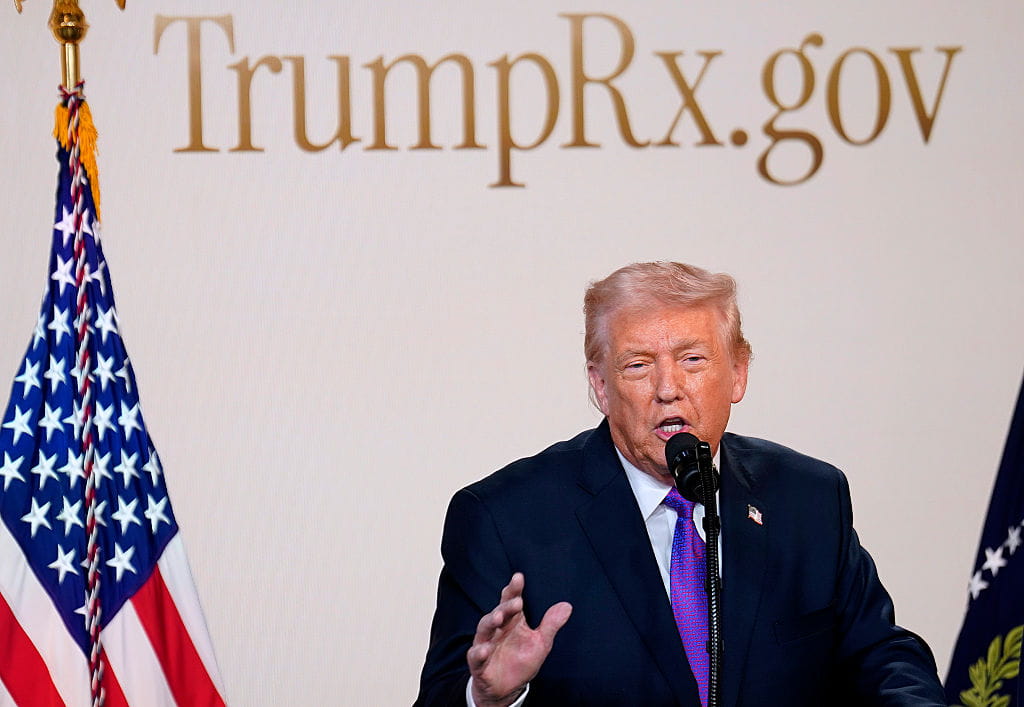
TrumpRx is now live and promising major drug-cost savings, and this article looks at the initial rollout, the numbers being touted, and what to watch next.
The TrumpRx platform launched with a splash, offering steep discounts that matched the bold claims made during the campaign. At first glance the discounts look real and meaningful, giving patients immediate relief at the pharmacy counter. Supporters see a market-driven win that challenges the status quo of high list prices and opaque middleman fees.
Digging into the prices, the headline savings are often tied to cash pay rates and negotiated pharmacy discounts rather than mysterious government price cuts. That matters because it shows how much room there is inside the current system for lower prices when incentives are aligned. Republicans have long argued that competition, transparency, and less regulatory interference will produce results like these.
Not every drug shows the same depth of savings, and that variability is worth watching. Generic medicines frequently see the biggest percentage drops, while certain brand-name drugs still carry a premium compared with negotiated list prices from insurers. The initial evidence suggests TrumpRx leverages bargaining power and preferred networks to push down out-of-pocket costs for many shoppers.
One promising feature is how the program simplifies pricing at the point of sale, removing surprise bills and confusing copay math for patients. When a clear, low price appears on the register, it forces insurers, PBMs, and manufacturers to compete or explain why their route costs more. This kind of transparency incentivizes lower costs without relying on heavy-handed government price setting that could stifle innovation.
Pharmacies and regional chains responded quickly to the rollout, and some stores displayed the new prices immediately. That quick adoption shows the private sector can move fast when there’s an incentive to do so. If pharmacies and wholesalers keep honoring those prices, real savings could become the new normal for many prescriptions.
Critics worry the headline figures might not hold up under deeper audits that account for rebates, manufacturer coupons, and insurer adjustments. That’s a fair point to raise, but reasonable scrutiny should not overshadow the practical relief customers are seeing at checkout. From a Republican perspective, practical outcomes and market forces matter more than convoluted accounting tricks used to justify high list prices.
Another plus: the program pressures Pharmacy Benefit Managers to be more transparent and competitive, reducing their ability to extract large spreads. When middlemen lose the ability to hide fees behind complex contracts, consumers benefit. Lower costs at the counter also make healthcare spending more visible to voters, which encourages accountability across the system.
There are still operational questions to answer about long-term sustainability, supplier contracts, and whether existing insurance plans will adapt or resist. Implementation hurdles are real, but they don’t negate the immediate wins customers might experience. The conservative case is that iterative improvements and deregulation will refine the model faster than top-down fixes ever could.
Politically, the rollout is a clear win for messaging: a tangible policy that people can use right away and that critics cannot easily dismiss. It shifts the conversation from abstract mandates to concrete results at the pharmacy counter. If the program holds up under standard audits and continues to expand its discount list, it will be a durable example of conservative policy delivering for everyday Americans.
The key next steps are straightforward: sustain transparent pricing, monitor for any backsliding caused by hidden fees, and expand access so more patients see these prices. Republicans should push for policies that lock in transparency, reward competition, and prevent regulatory barriers from slowing progress. If TrumpRx can keep delivering consistent savings, it becomes a model worth defending and copying.

