

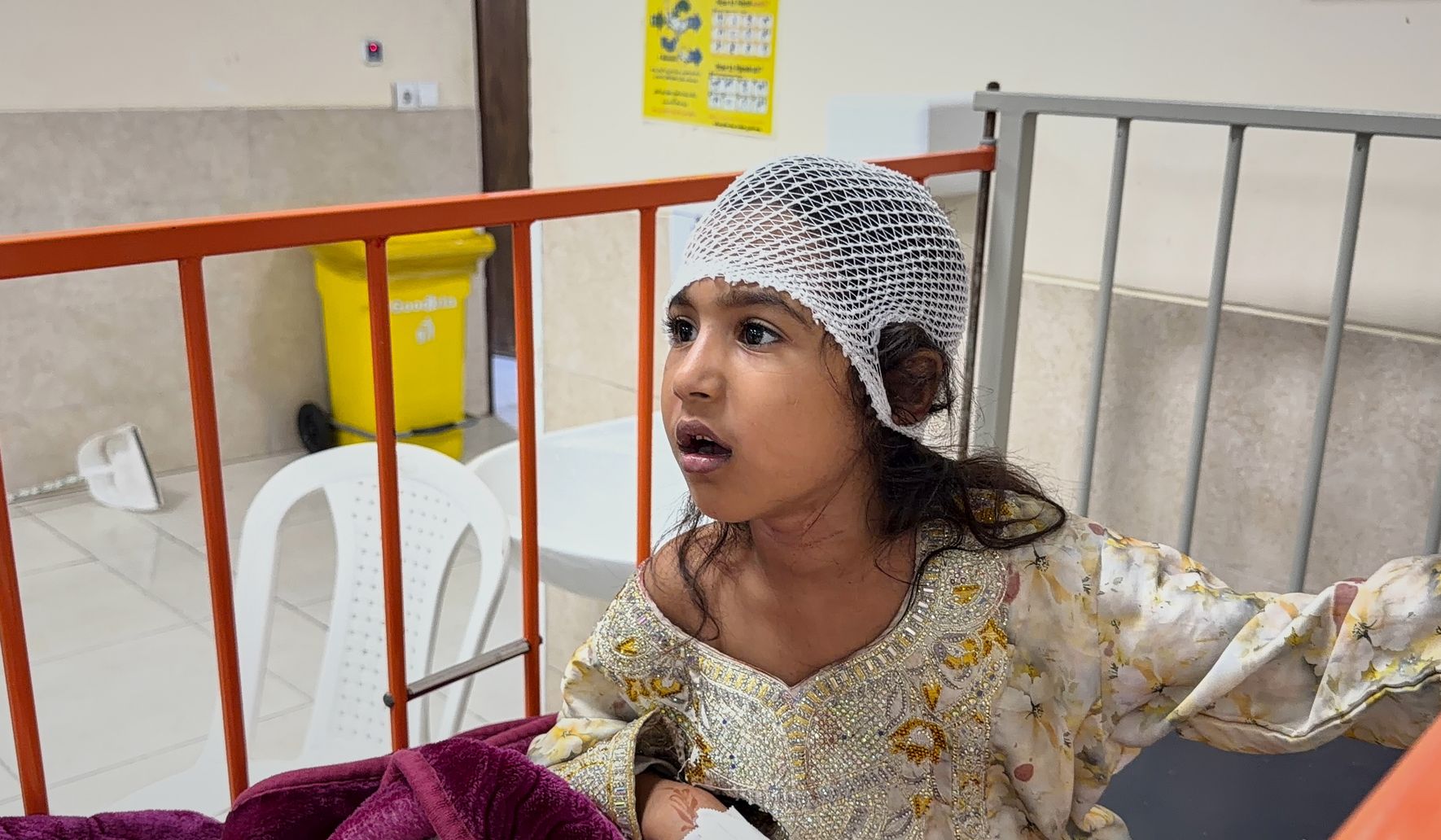
Iran opened fire on U.S. partners in the Gulf early Wednesday after a night of American strikes that, according to Iranian officials, “included a deadly strike on a wedding party.”
The exchange marks another sharp escalation between Tehran and U.S. forces and their regional partners, unfolding amid a tense, fast-moving chain of events. U.S. allies in the Gulf found themselves targeted overnight, and officials on both sides scrambled to assess damage and casualties.
Reports and claims are still coming in, and the fog of war makes it hard to get a clear picture right away. Iranian spokespeople say the American bombardment “included a deadly strike on a wedding party,” a charge that demands independent verification before drawing conclusions.
From a Republican perspective, this pattern looks familiar: Tehran pushes hard, then blames others when chaos follows. It underlines a stubborn reality that bad actors exploit ambiguity to cover tactical mistakes or intentional strikes that harm civilians, and that ambiguity must never excuse permissive policy.
On the operational side, striking U.S. partners in the Gulf is a direct attack on coalition security and freedom of navigation in international waters. Those are core American interests, and any assault on allied vessels or bases raises the stakes for U.S. forces and commanders in the region who must protect people and trade routes.
Washington now faces hard choices about how to respond in a way that deters further Iranian attacks without provoking a far larger regional war. A strong response from a Republican point of view would focus on crippling Tehran’s ability to strike again while backing allies with clear, sustained military and intelligence support.
Beyond the immediate military calculus, there are political signals to read. Tehran wants to demonstrate its reach and influence, but it also wants to avoid stepping into a conflict that could shatter its remaining regional alliances. That tension creates openings for pressure: targeted strikes, sanctions enforcement, and tighter defensive cooperation with Gulf partners.
Americans watching this unfold should expect their leaders to speak plainly about consequences and credibility. In practice that means matching rhetoric with action so adversaries cannot test U.S. resolve without paying a steep price, while also working to reduce civilian harm through careful targeting and intelligence-sharing.
For Gulf allies, this episode is a reminder that their security depends in part on America’s willingness to lead and to hold Tehran accountable. Strong defense partnerships, clear rules of engagement, and rapid logistical support are the kinds of measures Republicans say will keep escalation from spinning out of control.
At the same time, the accusations about a wedding party strike will complicate public messaging and international diplomacy. Scrutiny from neutral observers and humanitarian groups will be intense, and any verified civilian casualties would deepen the political fallout for all parties involved.
What happens next will determine whether this becomes another short-lived flare-up or the start of something much larger. Policymakers on both sides will be watching how nations respond, how allies coordinate, and whether deterrence holds under pressure.

