

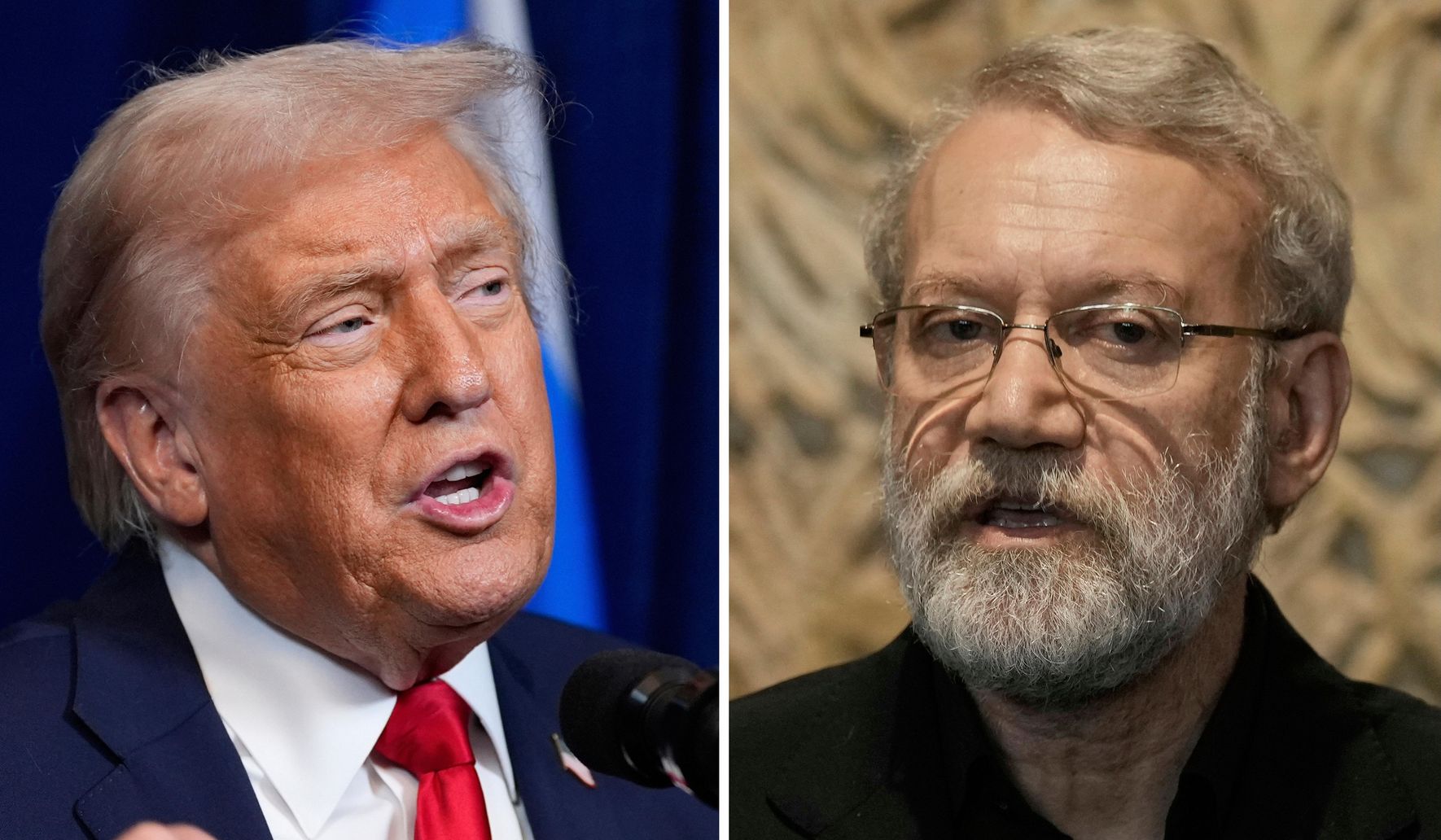
Iran’s top security official blamed President Trump and Israel for the deaths of children after a bomb hit an Iranian school during the opening days of a joint operation against the Islamic State, a development that has quickly been used in Tehran’s public messaging and regional maneuvering.
The statement from Iran’s top security official landed hard in regional headlines and inside Tehran’s domestic narrative. Officials described the blast as hitting a school and killing children, and they directly blamed President Trump and Israel for those deaths. That charge fits a pattern of Tehran assigning outside responsibility whenever civilian tragedies create internal pressure.
The timing matters. The blast occurred during the opening days of a joint operation against the Islamic State, a chaotic moment when information is scarce and accusations spread fast. In such environments, it’s common for governments and factions to push a simple story that fits their political aims. Iranian leaders know the emotional power of civilian casualties and quickly framed this incident to advance their broader message.
From a Republican viewpoint, there’s reason to be skeptical of Tehran’s narrative. The regime has a long history of using blaming tactics to shift focus away from its own failures and to rally domestic support. Pointing fingers at the United States and Israel is a familiar playbook that helps justify hardline policies while avoiding accountability for security lapses or tragic mistakes.
We also have to consider plausibility. A bomb hitting a school during an anti-IS operation could stem from multiple sources: a terrorist attack, a misfired weapon, or even an internal security breakdown. Without clear, independent verification, assigning blame to specific foreign leaders or states is premature and politically charged. Responsible reporting and verification matter here more than headline-grabbing accusations.
There are broader strategic consequences when Tehran chooses to frame events this way. Blaming the U.S. and Israel escalates tensions at a moment when de-escalation would be wiser. It also complicates cooperation among states genuinely fighting groups like the Islamic State, because political posturing can undermine practical security efforts on the ground.
Public reaction inside Iran is part of the calculation. Government messaging that assigns blame externally aims to divert anger and channel grief toward perceived foreign enemies. That tactic can consolidate power in Tehran’s conservative circles, but it also risks inflaming protest and mistrust among citizens who want answers about why a school was hit on home soil.
Internationally, allies and rivals alike will watch how the United States and Israel respond to the accusation. Republican leaders generally support firm action against Iran’s malign behavior, but they also stress the need for clear evidence before taking retaliatory steps. Showing restraint until facts are established preserves credibility and prevents rash escalation based on propaganda.
Practical steps should follow: independent investigations, clear communication of verified findings, and an insistence that civilian sites be protected during any military efforts. Iran’s rhetoric should not short-circuit accountability or the search for truth. Children killed in a school demand a transparent inquiry, not automatic assignment of blame for political gain.
The incident underscores a persistent problem in the region: information is weaponized as often as missiles or drones. Tehran’s immediate accusation that President Trump and Israel were responsible plays into that dynamic, but it does not remove the need for hard facts. Until those facts are established, caution, verification, and an insistence on protecting civilians must guide responses from all parties involved.

