

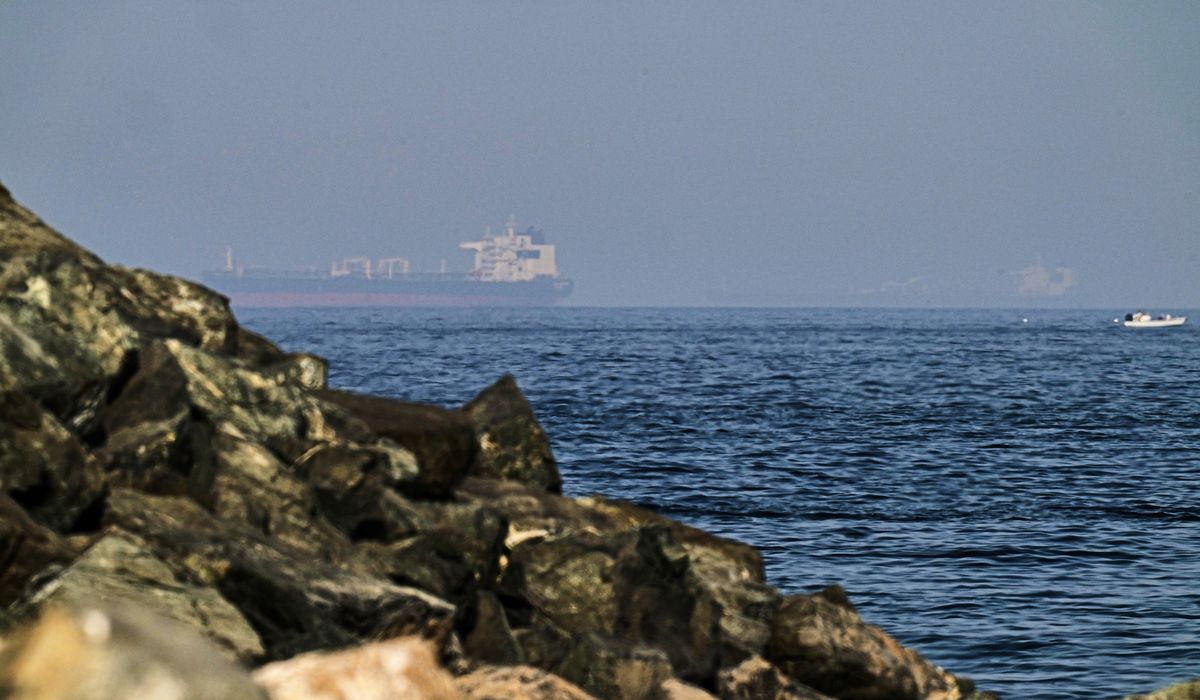
Iran says it is negotiating with Oman to create a mechanism that would direct commercial shipping through the Strait of Hormuz, a move Tehran frames as formalizing control over the vital waterway.
Iran is in talks with Oman to construct a mechanism to direct commercial shipping through the Strait of Hormuz, Iran’s Foreign Ministry said Monday, as Tehran looks to formalize control over the maritime route. That announcement turns a long-standing regional flashpoint into a diplomatic project that demands scrutiny. The basic fact is simple: Iran and Oman are discussing a new way to manage traffic through one of the world’s most strategic chokepoints.
The Strait of Hormuz sits at the center of global energy and trade flows, and any step toward formalized control changes the risk calculus for shippers and nations. Around a significant share of seaborne oil and liquefied natural gas passes through that narrow passage, so disruptions ripple across markets. From a Republican viewpoint, moves that concentrate authority over the strait should be treated as direct threats to economic security and freedom of navigation.
Oman has long played a quietly pragmatic role between Iran and Gulf Arab states, keeping lines of communication open when tensions flare. Its geographic position and neutral posture make it a plausible interlocutor for Tehran, and Oman often prefers diplomacy over public posturing. Still, mediating or hosting talks does not remove the strategic implications of what those talks aim to produce.
What does a “mechanism to direct commercial shipping” actually imply in practice? It could mean standardized routing, inspections, permits, or coordination procedures that Tehran insists must be followed to transit waters it deems under its influence. Any such system would give Iran leverage it has not previously had in formalized terms, shifting episodic harassment into structured control. For neighboring states and international partners, the worry is that benign-sounding rules could be enforced selectively or weaponized in crises.
History shows Iran has used maritime tactics to exert pressure before, from shadowing commercial vessels to detaining ships and crews. Turning those tactics into bureaucratic authority would be a new layer of risk and could normalize interference. Republicans will argue that normalization of Iranian control weakens deterrence and rewards coercive behavior instead of punishing it.
Washington must weigh responses across several fronts: legal, diplomatic, and operational. The United States and allies can reaffirm freedom of navigation under international law, build multilateral patrols, and press partners like Oman to guarantee that any agreement preserves unimpeded passage for neutral commerce. Economic measures and targeted sanctions remain tools to deter aggressive moves without immediately resorting to force.
Diplomacy will be critical, but it must come with clear red lines. That means insisting any coordination mechanism is truly multilateral, transparent, and verifiable, not a cover for unilateral control. Working through regional institutions and coalitions that include Gulf partners, shipowners, and consumer states will make it harder for Tehran to convert cooperative language into unilateral leverage.
At the same time, military posture matters. A credible naval presence that protects commercial traffic and enforces agreed norms deters attempts at coercion. Republicans tend to favor visible strength combined with diplomatic pressure because strength preserves bargaining power and prevents small incidents from becoming larger crises. Naval escorts, intelligence sharing, and tighter coordination among allied maritime forces are practical ways to translate policy into protection.
Whatever form the Iran-Oman discussions take, the practical stakes are high and immediate. New procedures around the Strait of Hormuz will not only shape shipping routes and insurance rates, they will also signal how far Tehran can push to rewrite rules that have governed international waters for decades. Expect busy diplomacy, strategic planning, and sharp debates over how to keep commerce flowing without conceding control to an adversary that has repeatedly shown a willingness to use the sea as a lever of power.

