

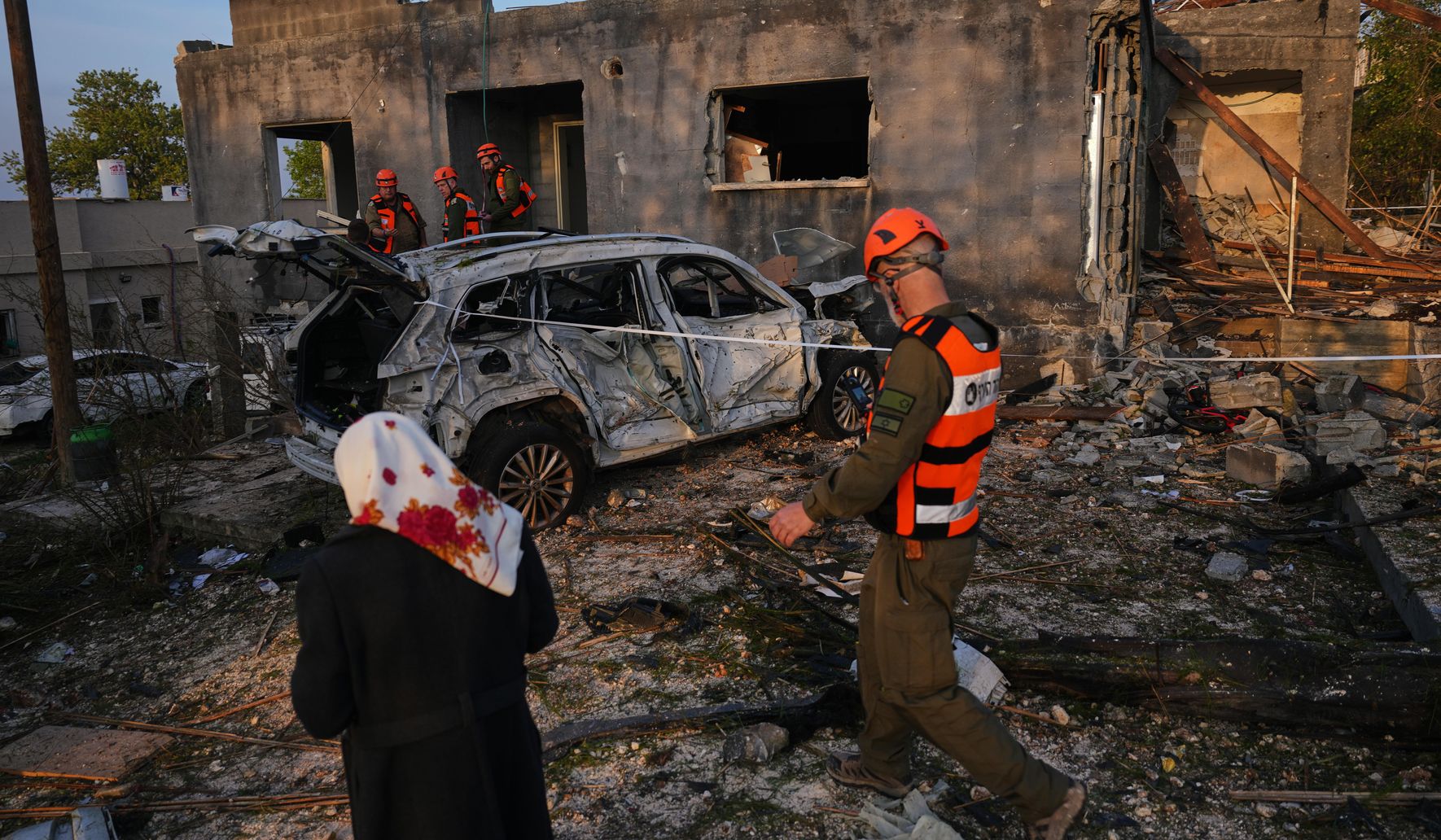
Iran launched multiple attacks early Friday on Gulf Arab states, including dozens of drones at Saudi Arabia, after warnings from its new supreme leader about hosting American bases.
The Iranian strikes that hit Gulf Arab states early Friday, including dozens of drones aimed at Saudi Arabia, show a deliberate escalation from Tehran after public warnings by its new supreme leader about hosting American bases. Those actions are not isolated incidents but part of a pattern of aggression that now tests regional defenses and American credibility. This episode raises urgent questions about deterrence, allied support, and Washington’s strategy in the region going forward.
Dozens of unmanned aerial vehicles targeted Saudi territory, and other strikes affected neighboring Gulf states, underscoring the operational reach Tehran claims to possess. Iran’s leaders framed the attacks as a response to foreign military presence in the region, pointing to American bases as a provocation. From a Republican perspective, that framing cannot be allowed to justify attacks on sovereign partners.
The immediate priority for U.S. policymakers must be protecting allies and deterring further aggression without signaling weakness. That means reinforcing air defenses, sharing intelligence with Gulf partners, and making clear that attacks on partners will draw coordinated responses. A credible posture right now requires arms, technology, and visible commitments that reassure friends and deter adversaries.
Defense cooperation should not be an abstract promise. Saudi Arabia and other Gulf states need tangible capabilities to defend their skies and critical infrastructure. Investing in missile defense systems, precision surveillance, and rapid response coordination will blunt the effectiveness of drone swarms and missile salvos. Republicans argue that failing to equip allies invites more attacks and forces costly direct engagement later.
Diplomacy also matters, but it cannot replace strength. Quiet diplomacy to de-escalate is worth pursuing so long as it is backed by a clear willingness to act if Tehran continues its strikes. Negotiations that ignore regional security or reward aggression will only embolden the regime. Any diplomatic track should insist on verifiable guarantees and immediate cessation of attacks before normalizing relations.
Congress has a role to play in setting policy and funding necessary deterrence measures. Lawmakers should demand regular briefings, approve aid and defense sales that enhance partner capabilities, and use oversight to ensure the executive branch follows a clear strategy. Republicans typically favor robust support for allies and stringent consequences for regimes that use force to change facts on the ground.
Energy security is another immediate concern. Attacks in the Gulf threaten global energy markets and the economic stability of partner states. Washington must coordinate with allies to protect shipping lanes and keep supplies flowing. Preventing disruptions requires a mix of naval presence, intelligence sharing, and contingency planning for energy markets.
Intelligence must improve and be acted upon faster. The pace and scale of the drone attacks show Tehran’s ability to coordinate complex strikes across borders. U.S. and partner intelligence services should prioritize early-warning systems and counter-drone tactics that can be deployed immediately. Republican strategy stresses that superior information and rapid action save lives and limit escalation.
Sanctions remain a powerful tool that should be used in concert with military readiness. Targeted economic measures against Iranian leadership, defense networks, and financiers help constrain the regime’s capacity to wage proxy wars. Sanctions alone are not a solution, but paired with military deterrence and diplomatic pressure they can raise the cost of aggression dramatically.
Regional coalitions are essential to presenting a united front. The Gulf states, Israel, and Western partners share interests in preventing destabilization by Tehran. Coordinated responses, joint exercises, and integrated air defenses make clear that attacks on one will not go unanswered. Republicans argue that showing cohesion now prevents bigger wars later.
At home, leadership matters. The American people deserve clarity on the options and the stakes involved in the region. Policymakers should avoid indecision that invites miscalculation. A Republican viewpoint emphasizes readiness to use all necessary means to defend U.S. interests and partners while avoiding open-ended commitments without clear objectives.
Finally, strategists should prepare for a range of outcomes, from rapid de-escalation to prolonged confrontations. Planning must include humanitarian contingencies, reconstruction support for affected partners, and legal frameworks for any military response. The best course keeps options open, supports allies materially, and imposes real costs on Tehran for aggressive behavior.

