

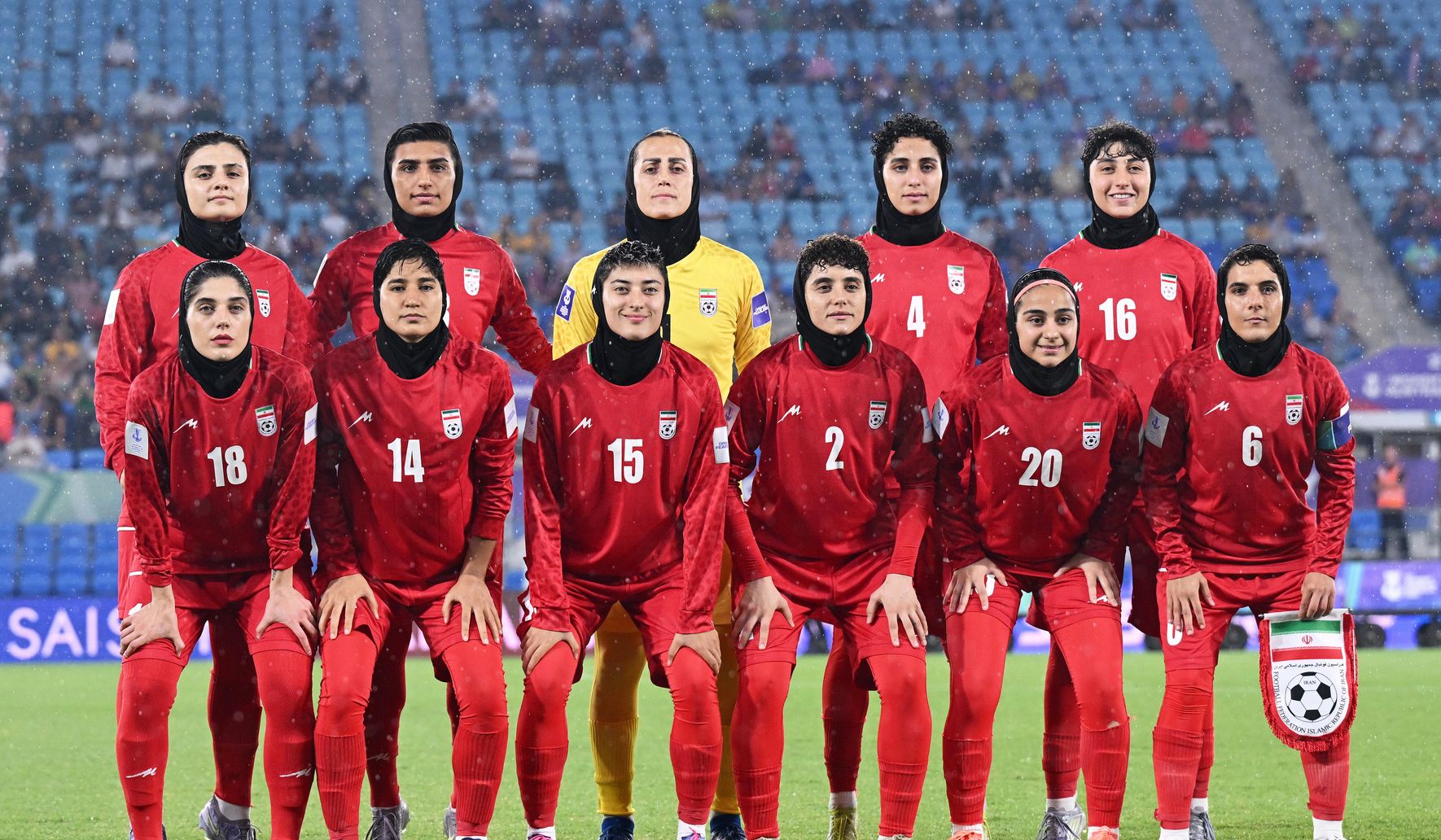
After six members of the Iranian women’s soccer team defected on a recent trip to Australia, Tehran says its men’s team will not take part in the upcoming World Cup in the United States.
The announcement that Iran’s men’s team will skip the World Cup in the United States is a political move wrapped in the language of security and pride. The regime says the decision follows the defection of six women players abroad, and the choice reads like an attempt to control optics as much as a genuine safety concern. From a Republican perspective, this is another example of a government that would rather punish representation than address the grievances that drive people to leave. The calculation is clear: avoid exposure to freer societies and the possibility of more defections.
Those six defections are not isolated incidents but symptoms of a deeper collapse in public confidence in Tehran’s rule. Athletes are high-profile citizens who often become symbols of dissent when they exercise independence, and authoritarian governments see that as a direct threat. The Iranian leadership has long prioritized regime stability over individual rights, and barring the men’s team from international stages is consistent with that pattern. It also signals to the world that control, not engagement, is the regime’s top priority.
Beyond the regime’s internal logic, the choice carries diplomatic weight. The United States hosting the World Cup raises awkward questions for a government that treats travel as a containment issue. Iran’s decision to withdraw should be seen through the lens of a regime that fears exposure to ideas and freedoms that undermine its narrative. For Americans and allies who value liberty, the optics of Tehran opting out of an international event only reinforces what critics have said for years about its priorities.
There are practical risks for any athletes who leave Iran, and those risks influence how other players and staff think about foreign travel. Families back home can face pressure, job losses, or worse after a defection, and the regime has a track record of targeting relatives to deter dissent. That reality makes the defections all the more courageous and all the more infuriating to those who believe in basic freedoms. It also explains why Tehran tries to make an example of athletes who cross the line set by the state.
International sports bodies are now in a bind between promoting open competition and navigating the political fallout of authoritarian maneuvers. Organizations that oversee global tournaments are supposed to be neutral, but neutrality can become complicity when it allows regimes to weaponize sports. The optics of a team withdrawing under pressure should prompt stronger safeguards for athletes who face political persecution. Fans and federations alike deserve to see competitions decided on skill, not on coercion.
For the Iranian diaspora and spectators worldwide, defections are a reminder that sport is never just sport in repressive contexts. When players seek asylum or refuse to return, they make a public statement about life under their government. That statement resonates, especially when the host nation offers safety and a platform that authoritarian states fear. The regime’s reaction — retreating from the global stage — underscores how threatened it feels by unfettered contact between its people and the outside world.
The choice to avoid the U.S. World Cup also feeds into Tehran’s broader propaganda strategy, casting external societies as corrupting influences while blaming internal problems on foreign interference. That narrative is convenient for leaders who want to deflect responsibility for human rights abuses and economic mismanagement. In truth, athletes leaving a repressive country are not proof of foreign meddling but testimony to domestic failure. Republican commentators will note that such maneuvers expose the hollow nature of the regime’s claims about sovereignty and honor.
There are long-term implications for sport and diplomacy if authoritarian governments keep treating international events as threats instead of opportunities. When a regime chooses isolation over engagement, it forfeits chances to build soft power and to show a different face to the world. It also robs its own citizens of the chance to compete under fair conditions and to be judged on merit. The athletes who left made a personal choice, but their decision also sets a precedent that other oppressed people may follow.
At the individual level, the players who defected will face tough new realities even as they escape immediate danger. Rebuilding a career, finding legal protections, and adjusting to life in exile are hard and personal challenges. Still, their choice highlights a simple truth: people risk everything when basic freedoms are denied. The removal of the men’s team from the World Cup is a stark illustration of how regimes prioritize control over the welfare and reputation of their citizens.

