

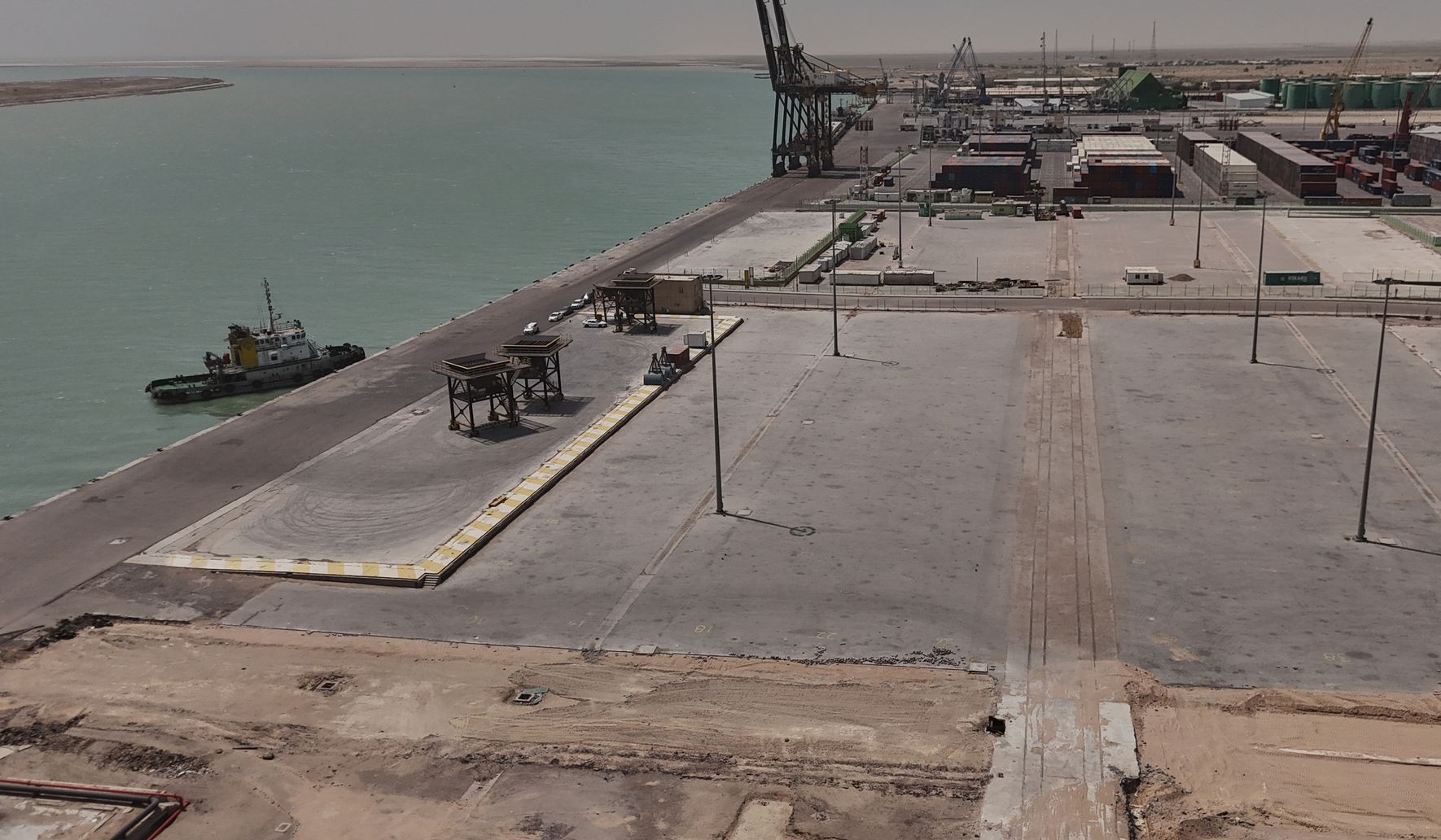
Iraq and Turkey have agreed to boost oil exports through the pipeline to Ceyhan, and Baghdad is pushing to broaden its export options to avoid overdependence on any single route.
Iraq and Turkey signed a deal Saturday to increase oil exports through a pipeline to the Turkish Mediterranean port of Ceyhan. The agreement aims to expand the flow of crude to a key export terminal, creating additional capacity for shipments headed to global markets. Officials in Baghdad framed the move as part of a larger effort to spread export traffic across more routes and facilities.
The deal is meant to ease pressure on existing channels and to offer Iraq more flexibility in moving cargoes. For a country whose budget depends heavily on oil receipts, widening export options can help manage logistical bottlenecks and reduce the impact of regional disruptions. Turkish authorities see the arrangement as confirming Ceyhan’s role as a strategic outlet for regional supplies.
Observers point out that increasing pipeline shipments to Ceyhan will change export patterns and give Iraqi producers an alternative to their current arrangements. That can translate into more competitive marketing of Iraqi crude, since different destinations and tanker sizes become viable. Economies of scale at Ceyhan could also lower per-barrel handling costs if throughput rises steadily.
For Turkey, hosting larger volumes through Ceyhan brings transit revenues and strengthens its position as an energy hub linking the Middle East with Mediterranean shipping lanes. The port already handles significant flows and would see increased maritime traffic if the deal delivers the promised volumes. Ankara stands to gain from fees, support industries, and an enhanced geopolitical role tied to energy logistics.
On Iraq’s side, diversifying export routes is about risk management as much as economics. A broader set of exit points reduces dependence on any single corridor and can limit exposure to closures, attacks, or political pressure that might interrupt shipments. Having multiple reliable outlets helps Iraq assure buyers of steady deliveries and can make budgeting and planning more predictable for its finance ministry.
The pipeline arrangement also has implications for regional cooperation, since it creates another incentive for Baghdad and Ankara to keep energy lines open and secure. That means coordination on maintenance, security measures, and scheduling that must be sustained over time. Ongoing dialogue will be needed to address technical challenges and to ensure the infrastructure can handle higher throughput without frequent downtime.
Practical hurdles remain, including the condition of pipeline segments, port handling capacity at Ceyhan, and shipping logistics from Mediterranean terminals to varied buyers. Investment in upgrades and better coordination among operators will likely be part of follow-up steps if the initial increases are to be maintained. The pace at which exports actually rise will depend on how quickly those operational bottlenecks are resolved.
Market reactions will hinge on how the extra volumes are allocated and whether they reach international buyers on schedule. If Iraqi crude routed via Ceyhan consistently arrives without delay, traders may factor the new outlet into regional freight and pricing calculations. Conversely, any early teething problems could temper expectations and slow the shift toward the Turkish Mediterranean route.
The deal highlights a pragmatic streak in Baghdad’s energy policy that prioritizes resilience and access over single-source dependency. By securing another corridor to sea, Iraq gains maneuvering room in commodity markets and additional bargaining chips in regional energy discussions. For Turkey, the agreement reinforces Ceyhan’s standing and underscores the economic value of being a transit and export gateway for neighboring producers.
Implementation details will matter, from scheduling and contractual terms to checkpoints and security arrangements along the pipeline. Both governments will need to follow through with investments and clear operational plans to turn the agreement into dependable, increased exports. Success will be measured by steady rises in shipments and fewer disruptions for traders and governments counting on those barrels.

