

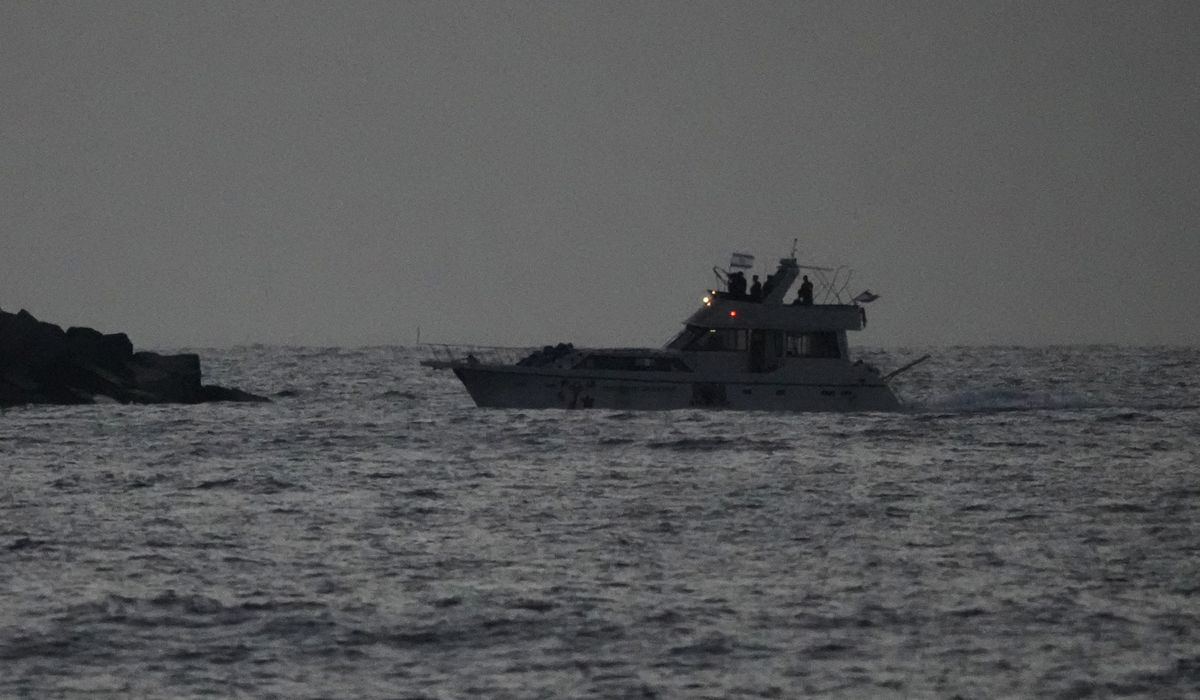
Israel has released hundreds of activists who tried to breach its naval blockade of Gaza and is moving to deport them, the legal group working with the flotilla reports.
Hundreds of people who attempted to break Israel’s naval blockade of Gaza were detained at sea and have now been released, with deportations underway according to a legal organization involved with the flotilla. The activists described their mission as a humanitarian effort to reach Gaza, while the legal group documented their detention and the subsequent processing. These events prompted a quick diplomatic and legal shuffle as nations and organizations absorbed the developments.
The flotilla’s participants said they were carrying aid and protesting the blockade, but Israeli authorities maintained control of the situation at sea and processed the individuals for return to their home countries. From a security standpoint, the naval blockade is an instrument Israel cites to prevent weapons and hostile materiel from reaching militants inside Gaza. Republicans tend to favor firm enforcement of borders and maritime security, and see deportation as a lawful, pragmatic response to an attempted breach.
The legal organization working with the flotilla provided the main public account of what happened, reporting that detained activists were released and would be deported. Their role was to monitor detention conditions and offer assistance to those detained, and their reporting formed the basis for much of the public narrative. Independent observers and government authorities will likely continue to offer competing accounts, but the basic fact reported was release followed by deportation proceedings.
For supporters of Israel’s security measures, the situation underlines the difficult balance between humanitarian gestures and operational security. Attempts to run a naval blockade can escalate quickly, placing crews and responders at risk and forcing naval forces to intervene. Deportation in this context is framed as a necessary tool to restore order and deter repeat attempts that could provoke greater conflict at sea.
Activists framed their actions as nonviolent civil disobedience meant to draw attention to conditions in Gaza and to deliver aid directly. That claim has resonance with international activists and some governments, but it does not erase the legal status of the blockade or the maritime rules that apply to interdiction at sea. Republicans typically emphasize that international sympathy for humanitarian aims does not supersede a nation’s right to secure its borders and prevent arms smuggling.
The immediate diplomatic fallout will include questions about how states handle citizens involved in such actions and whether any legal challenges will follow the deportations. The activists’ legal partners could pursue casework on behalf of individuals who say they were mistreated or denied due process while in custody. At the same time, countries receiving deported nationals must address the political optics and any legal claims those citizens may make after their return.
Operationally, this incident highlights the constant tension between protest movements that seek dramatic, attention-grabbing voyages and military or coast guard units tasked with maintaining security. Naval interdictions are messy, costly and sensitive, and even peaceful confrontations at sea can ripple into bigger diplomatic headaches. The deportations serve both a practical purpose and a message: attempts to breach security measures will meet firm administrative and legal consequences.
What follows will be a patchwork of statements, legal filings and diplomatic gestures as the various parties sort out next steps. The legal organization’s report is the clearest public account so far, and it will be joined by official statements and possibly third-party monitoring. For lawmakers and citizens concerned with national security, the episode reinforces the argument that controlled, enforceable borders and maritime controls are essential tools in preventing escalation and maintaining stability.

