

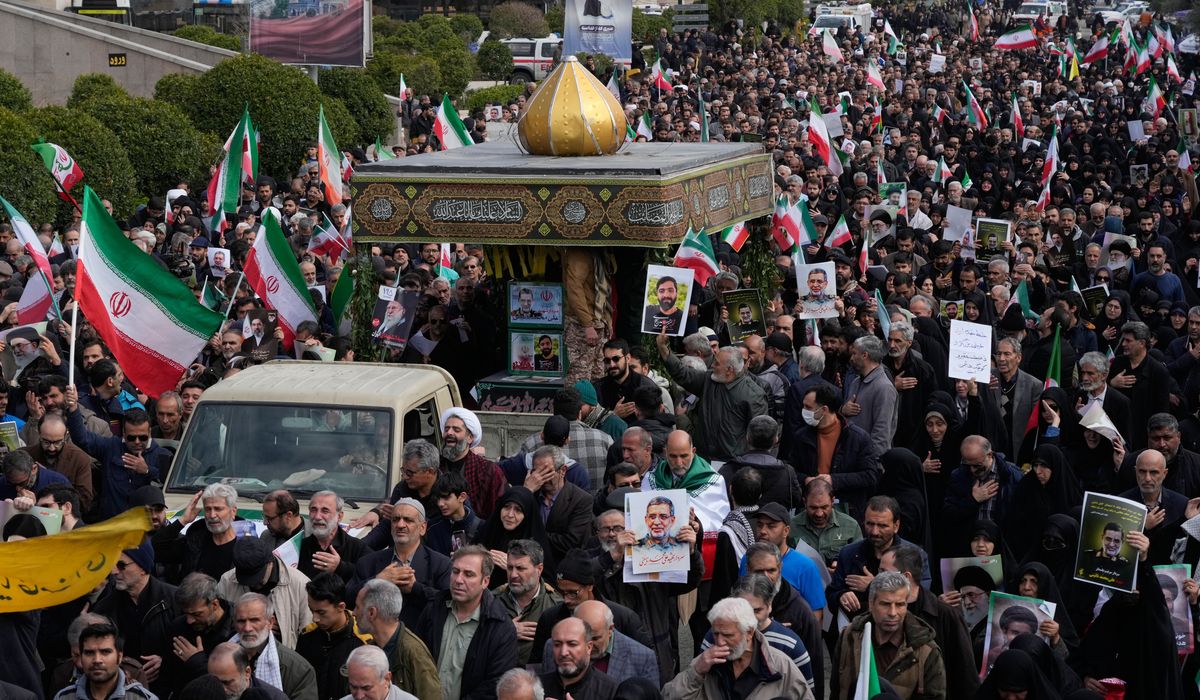
Israel’s recent campaign has killed many Iranian figures, yet Tehran’s hardline leadership still stands; the situation exposes limits of strikes and the need for steady pressure and clear strategy.
An intense Israeli assassination campaign has not yet been enough to bring down Iran’s hardline regime, which is still standing despite losing scores of its top officials over the past four weeks
The sequence of targeted killings has been precise and relentless, aimed at degrading Tehran’s operational reach across the region. From a Republican perspective, the effort shows the value of decisive action and the willingness to hold bad actors to account. Still, taking out leaders has not produced the political collapse some hoped for.
Regimes built on security services, ideology and internal control do not crumble simply because a handful of commanders are removed. Iran’s leadership has institutional depth, and loyal networks are ready to replace individuals quickly. That structural resilience means kinetic strikes alone are unlikely to achieve strategic change.
Policymakers should recognize the limits of assassination as a tool and pair military pressure with economic and diplomatic levers. Strong sanctions, cooperation with regional partners, and support for dissidents matter over the long run. A consistent, whole-of-government approach amplifies any tactical successes on the battlefield.
There’s also a messaging battle inside Iran and across the region, where perceptions shape outcomes as much as bullets do. Public opinion, elite fractures, and economic pain can combine to shift regimes when timed and targeted correctly. Republicans argue we must exploit those vulnerabilities without signaling weakness or retreat.
Israel’s raids have had operational benefits, disrupting plots and degrading networks that threatened American and allied interests. Those effects deserve acknowledgement while recognizing they are not definitive victories by themselves. The goal should be to use disruption to create leverage, not to mistake activity for strategy.
At the same time, unintended consequences matter and should be weighed. Targeted strikes risk escalation, civilian fallout, and propaganda wins for Tehran if not carefully managed. Any plan that ignores the political aftermath will produce cycles of retaliation and instability.
Congress and the administration need to coordinate closely with Israel and Arab partners to turn tactical gains into lasting security improvements. That means intelligence sharing, contingency planning, and synchronized diplomatic pressure. Leadership that combines firmness with clear aims will preserve American interests and regional stability.
Supporters of tough measures should keep their eyes on realistic outcomes: containment, deterrence, and degraded capability rather than regime change by attrition. Sustained pressure, economic isolation, and support for internal opposition offer a better chance to weaken the regime over time. Patience and purpose will matter more than headline-grabbing operations.
The current situation is a reminder that decisive action must be matched by a comprehensive plan, one that balances force with broader tools of statecraft. Republicans favor standing with allies and applying unrelenting pressure, but they also insist on strategies that can actually deliver political shifts. That means combining military pressure with economic, diplomatic, and informational campaigns designed to erode Tehran’s hold in sustainable ways.

