

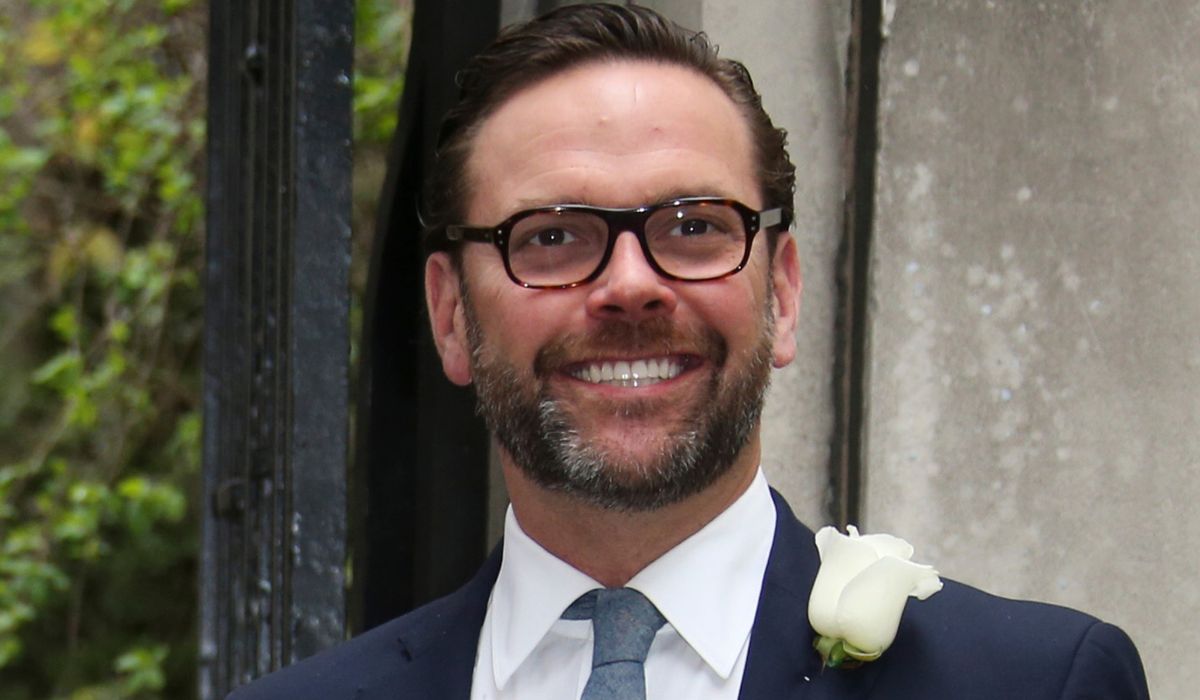
James Murdoch has reached an agreement with Vox Media to buy New York magazine, promising “ambitious journalism and agenda-setting conversations,” signaling a notable shift in ownership for the long-running title.
James Murdoch, who grew up inside one of the largest media families in the world, is once again making a visible move in publishing by acquiring New York magazine through a deal with Vox Media. The announcement landed as many outlets and industry observers noted the irony of a Murdoch seeking to steer a cultural and civic-focused city magazine. The purchase raises questions about how the title will balance its editorial roots with new ownership and strategic priorities.
New York magazine has long been known for its deep reporting, strong feature writing, and coverage that mixes culture, politics, and lifestyle with local flavor. Over the decades the brand expanded its reach beyond print, building a digital audience and related verticals that attract both subscribers and advertisers. That legacy is part of what makes the transaction meaningful: a prominent legacy title moving into a new chapter under different leadership.
Vox Media, the seller in this deal, built a portfolio of digital properties and technology aimed at modern publishing economics, emphasizing platforms, programmatic ad tech, and audience development. Selling New York magazine suggests a reallocation of resources and a focus on other growth areas for the company. For journalists and staff, the change in ownership tends to stir real concerns about editorial independence, budget shifts, and the practicalities of newsroom life.
Murdoch framed the acquisition as a commitment to serious editorial work, using the phrase “ambitious journalism and agenda-setting conversations” to convey his intent. That line will be scrutinized by readers and reporters alike, since ownership statements and newsroom practices do not always align immediately. How the new owner translates that promise into hiring, commissioning, and governance will determine whether the magazine keeps its voice or changes course.
Industry observers point out that ownership change is rarely just symbolic: it often brings new strategies for subscriptions, advertising, events, and licensing. New York magazine has existing revenue streams and audience relationships that a new owner can optimize or alter. Any operational overhaul could affect how stories are assigned, which beats receive resources, and how editorial leadership is held accountable.
Financial pressures that shape modern media are part of the backdrop for this deal, too. Declining print ad markets, the challenge of digital monetization, and the competition for high-value subscribers all push magazines toward consolidation or innovation. An investor with deep pockets or a different appetite for risk can shift priorities quickly; that could mean more investment in investigative work, or it could mean tighter budgets and a pivot toward scalable content formats.
Staff morale and retention will matter in the short term, because institutions live in their people. Editors, reporters, and support teams will watch for signals in early weeks and months: who stays, who leaves, and what editorial projects get greenlit. For readers, the immediate effects may be subtle, but over time differences in tone, coverage, or frequency will reveal the magazine’s trajectory under its new owner.
Regulatory hurdles are rarely the headline in deals like this, but legal and contractual details can delay or shape the transition. Contracts with existing staff, syndication agreements, and vendor relationships all require careful handling when a title changes hands. That administrative work often sets the practical boundaries for how rapidly a new owner can implement changes.
At a strategic level, the acquisition reflects broader media dynamics where brands with strong reputations remain valuable despite a tough marketplace. The turn toward fewer, more deeply invested owners is part of how the industry adapts. For now, the attention will be on early decisions by Murdoch and the magazine’s leadership as they translate a short press phrase into a working editorial reality.

