

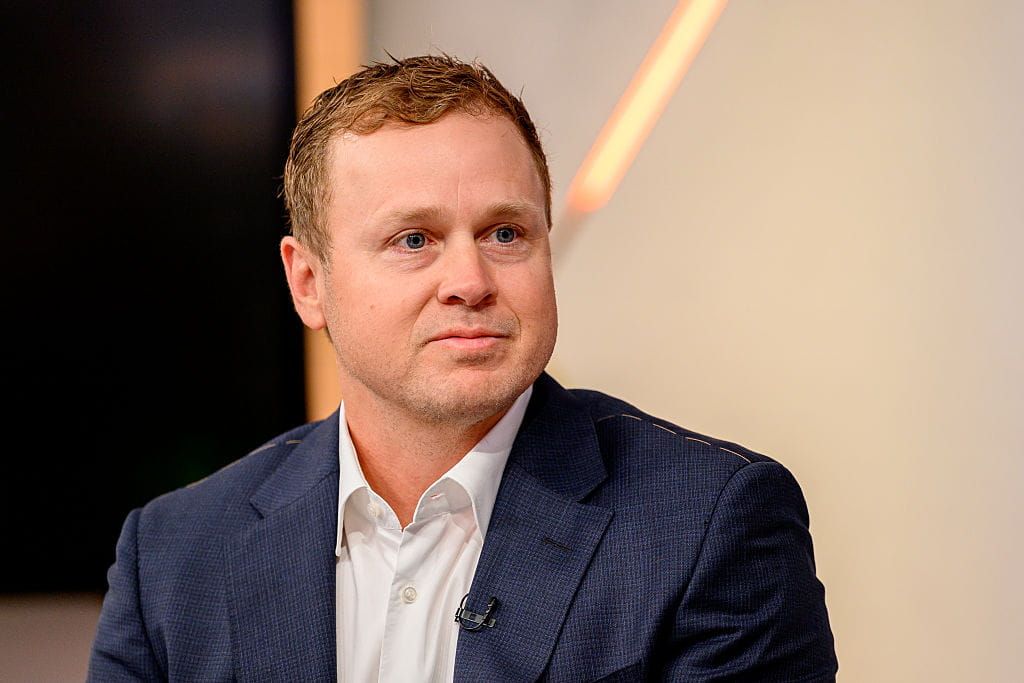
This piece looks at whether Spencer Pratt’s surprising rise in the Los Angeles mayoral race signals a winning playbook against well-funded progressive activist opponents backed by outside money.
Spencer Pratt’s surge in the Los Angeles mayoral contest has caught attention because he is challenging a field long dominated by progressive activists and deep-pocketed outside backers. From a Republican perspective this is a classic populist moment: an outsider fights the city hall establishment and the national left-leaning infrastructure that pours money into municipal races. Pratt’s notoriety and media skills give him unusual visibility, and that visibility forces voters and rivals to react rather than control the conversation. The question is whether visibility converts to votes in a city where the baseline electorate leans the other way.
On message, Pratt leans into blunt, practical themes that resonate with many Angelenos: public safety, quality of life, and efficient city services. Those issues cut across party lines in urban settings where residents live with daily consequences of policy choices. For voters tired of rising crime, broken sidewalks, and chronic homelessness, straightforward promises and accountability attract attention in ways abstract policy debates do not. Communicating concrete solutions, rather than offering ideological purity, is a Republican strength in local races and a practical way to chip into a progressive voter base.
One advantage Pratt enjoys is his skill at commanding media coverage and shaping viral moments. In a crowded field, being the most talked-about candidate gives you disproportionate influence over the narrative. That matters in low-turnout municipal contests where name recognition and momentum can swing undecided voters and motivate supporters to show up. But media attention is a double-edged sword; headlines alone do not replace disciplined ground organization and a credible governance plan.
Big-money outsiders backing progressive activists rely on ad blitzes, consultants, and sophisticated digital operations to import a national agenda into local politics. Those forces can saturate airwaves and drive message penetration at scale. However, heavy outside spending often provokes a backlash among voters who resent national groups deciding local outcomes. From a Republican perspective this resentment is an opening: emphasize local control, taxpayer priorities, and the need to prioritize neighborhood safety over ideological experiments pushed by coastal donors.
Retail campaigning remains essential. Door-knocking, neighborhood meetings, and direct conversations still determine close Los Angeles races more than ad buys do. Pratt’s celebrity opens doors, but converting curiosity into trust requires sustained engagement with diverse communities across the city. Building coalitions that include small business owners, suburban families, policing reform skeptics, and moderate liberals will be crucial. Without that cross-section, any surge fueled by shock value will likely stall at the ballot box.
Fundraising dynamics matter too. Small-dollar donations and active volunteers create a durable campaign infrastructure, while big checks from outside groups can fund short-term visibility. Republicans aiming to compete in deep-blue cities should balance targeted local fundraising with earned media to avoid being characterized as a puppet of nationalist donors. Pratt’s ability to attract a mixed fundraising base will be a test of whether the campaign can sustain momentum into a potential runoff against a progressive opponent supported by outside money.
Policy specificity will decide credibility. Voters want clear plans on homelessness, policing, and housing that acknowledge trade-offs and set measurable goals. Republicans can score points by proposing realistic timelines, measurable benchmarks, and accountability mechanisms that challenge the vague promises often offered by well-funded progressive campaigns. Offering pragmatic alternatives that address both compassion and enforcement can appeal to voters exhausted by the status quo and skeptical of experiment-driven spending plans.
Electoral mechanics are also key. Los Angeles uses a primary that can lead to runoffs, so finishing in the top two is the immediate goal for any outsider candidate. That reality makes coalition-building and turnout operations more urgent than theatrical stunts. It also means targeted precinct-level strategies, smart use of endorsements that matter locally, and disciplined message discipline in debates and forums. If Pratt’s momentum turns into organized, voter-facing work, his surge could become a viable pathway to victory; if it does not, the wave of progressive money and infrastructure will likely reassert itself.
Ultimately this race tests whether a high-profile outsider can transform media momentum into a durable campaign that beats organized progressive forces funded by national money. The Republican playbook here is simple: localize the debate, focus on tangible city problems, mobilize voters through real engagement, and present clear, accountable policy options. Victory will hinge less on theatrics and more on whether that approach earns trust in neighborhoods that have long voted for other priorities. The coming weeks will show whether a surge becomes a sustained campaign or just another headline.

