

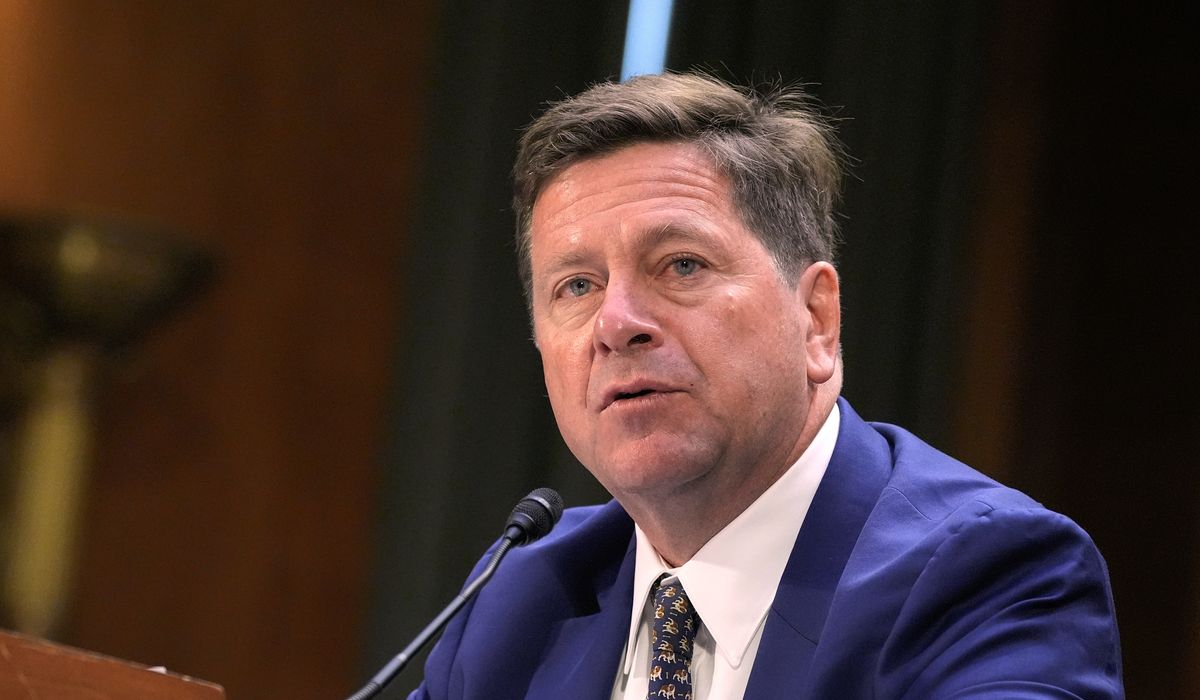
Senate consideration of Director of National Intelligence nominee Jay Clayton has turned political after he declined to state during his confirmation hearing on Wednesday that Joseph R. Biden won the 2020 election, leaving his path to confirmation likely split along party lines.
The exchange at the hearing sharpened partisan lines and made clear that this nomination will be tested in a politically charged atmosphere rather than on routine qualifications. Republicans argue the focus shifted away from national security credentials and toward political litmus tests, while Democrats portrayed the refusal as troubling. That dynamic now appears likely to force a party-line vote instead of a consensus confirmation.
Nominees for top intelligence posts traditionally face questions about independence and loyalty to the Constitution, not about settling past election disputes. From a Republican perspective, the insistence on extracting an affirmation about the 2020 result during a DNI hearing is a distraction that sidelined the serious work of assessing his ability to lead the intelligence community. Lawmakers should have probed his plans for counterintelligence, foreign interference, and protecting classified sources, but the session veered into partisan territory.
Clayton’s hesitation to answer the specific 2020 question reflects a broader concern among conservatives that confirmation hearings are being used to police political speech instead of vet policy positions. Republicans see a pattern where nominees are forced into contrived statements to satisfy one side’s narrative instead of demonstrating operational competence. That contributes to an erosion of trust in the process and encourages confirmations to be decided by allegiance to a narrative rather than by expertise.
At its core, the DNI role requires scrutiny on how the office will handle threats from adversaries like China, Russia, Iran, and transnational terror networks, and on its plans to protect election infrastructure going forward. Republicans emphasize that those issues should have been front and center, and they argue Clayton’s answers on those topics deserve weight independent of his answers to politically charged questions. The refusal to endorse a single political narrative should not disqualify a nominee who presents credible plans for countering foreign threats and improving intelligence sharing.
Democrats framed the exchange as a test of faith in democratic outcomes and used it to question Clayton’s willingness to accept settled facts, which in turn justified a robust challenge. Republicans counter that credibility is better judged by a nominee’s record on safeguarding national security than by compelled statements about past political contests. That divide explains why observers now anticipate a confirmation vote split along party lines, with little room for bipartisan agreement.
The spectacle of a contentious hearing matters because the intelligence community needs clear leadership that can operate above political noise and coordinate across agencies. From a Republican standpoint, forcing nominees into partisan declarations undermines the independence needed for effective intelligence work and sends a signal that appointments will be contested on ideological grounds rather than professional fitness. A partisan confirmation process risks leaving key posts vacant or filled by leaders whose primary qualification is political alignment instead of operational experience.
Looking ahead, the Senate will likely move toward a vote that reflects the political tug-of-war seen at the hearing, with each side staking out principled but opposing views. Republicans will continue to press for a focus on tangible security plans and operational competence, arguing that oversight should evaluate how a nominee will protect Americans and respond to real-world threats. The tenor of this confirmation fight underscores the growing challenge of keeping national security appointments insulated from headline-driven partisan battles.

