

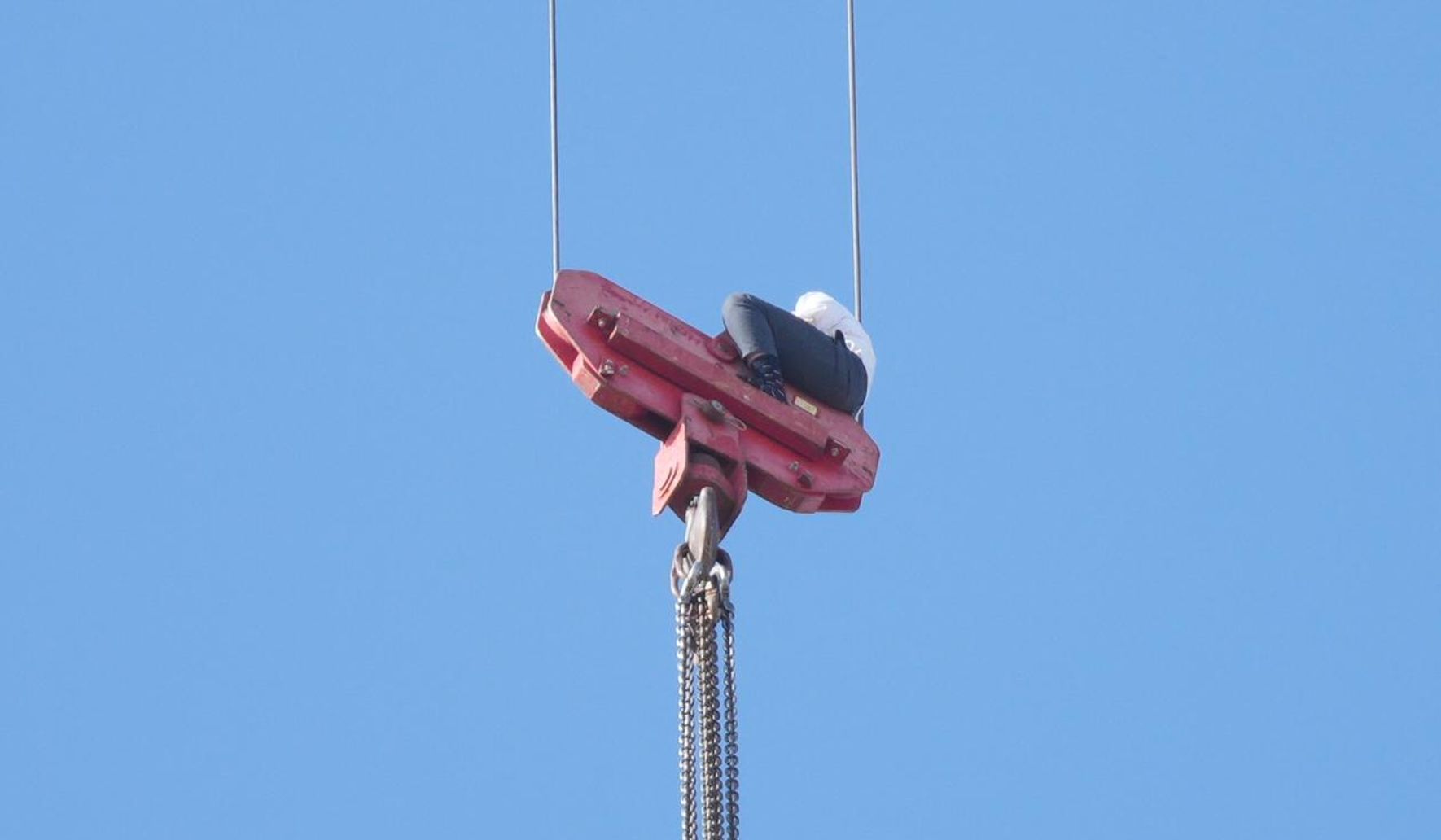
Firefighters staged a dramatic high-altitude rescue in Jerusalem after a teenager became trapped on a construction crane, creating a tense seven-hour operation that captured local attention and highlighted the risks of urban construction work.
The scene unfolded high above a busy city, where a combination of height, weather and technical challenge turned an ordinary construction crane into a perilous perch. Emergency crews coordinated a careful response that balanced speed with the need to keep the trapped teen safe. Neighbors and workers watched as professionals took over a situation that demanded precision and endurance.
Firefighters and rescue specialists worked through logistics that most of us never think about until something goes wrong. They had to manage rigging, communications and safety lines while suspended dozens of stories in the air. Each move needed planning, because a wrong step at that height would have devastating consequences.
Several agencies joined the effort, pooling gear and expertise to get the job done without turning the site into chaos. Rope teams and aerial units kept constant contact with the teenager, monitoring his condition and providing reassurance. Onlookers saw professionals methodically prepare for every phase of the descent and the eventual extraction.
“Fire teams on Monday rescued a teenager who was stuck dangling for seven hours from a crane hanging 36 stories above Jerusalem.” That exact report summed up the core facts, but it didn’t capture the human texture of the rescue. The teen’s fear, the rescuers’ steady voices and the silent, careful choreography all mattered as much as the headline.
Rescue operations like this demand endurance; crews rotated to keep responders sharp and safe. Hydration, rest and equipment checks were part of the routine, even while the clock ticked and pressure mounted. That disciplined approach reduces mistakes when every decision matters.
The crane’s height complicated communications because sound carries differently in open air and between tall structures. Responders used radios and direct verbal contact, alternating methods to be sure nothing got lost. Clear, calm language was key for the person dangling so far above the ground.
Medical personnel were on standby, ready for immediate assessment once the teenager touched ground. Even if someone appears unharmed, being suspended for hours can cause circulatory or muscular issues that require quick attention. The goal was a safe, controlled transfer from the crane to stable ground and then a medical check.
Authorities later worked to secure the construction site and to investigate how the teenager ended up in that position. Safety protocols are supposed to prevent unauthorized access to high-risk areas, but accidents and lapses still happen. Lessons learned from this event will shape future precautions at similar sites.
Neighbors described a mix of concern and admiration as they watched the rescue unfold, noting how quickly professionals took charge. Their accounts emphasized the unusual sight of people working so high above, focused on a single human life. The community response underlined how urban life places unusual demands on first responders.
Equipment technicians also played a behind-the-scenes role, making sure harnesses, pulleys and anchor points were inspected and solid. These checks are routine for high-angle rescues, but the stakes make them non-negotiable. Proper gear and attention to detail are as crucial as the courage of the teams.
After the extraction, officials typically debrief to identify strengths and weaknesses in the operation. Such reviews help refine tactics, update training and inform public safety messaging. Continuous improvement keeps rescue units prepared for the next unexpected call.
For the teenager involved, the experience will likely be haunting but also a reminder of how professional teams can make a difference under pressure. Emergency responders face risks daily, and this rescue is another example of their skill and dedication. The event will be part of local memory for months to come.
Urban construction presents real hazards that require constant vigilance from workers, managers and passersby. This incident highlights why safety rules exist and why enforcement matters. When systems work, they save lives; when they fail, the results can be dramatic and dangerous.

