

Speaker Johnson tries to rein in MTG following lawmaker’s criticism of GOP on healthcare costs
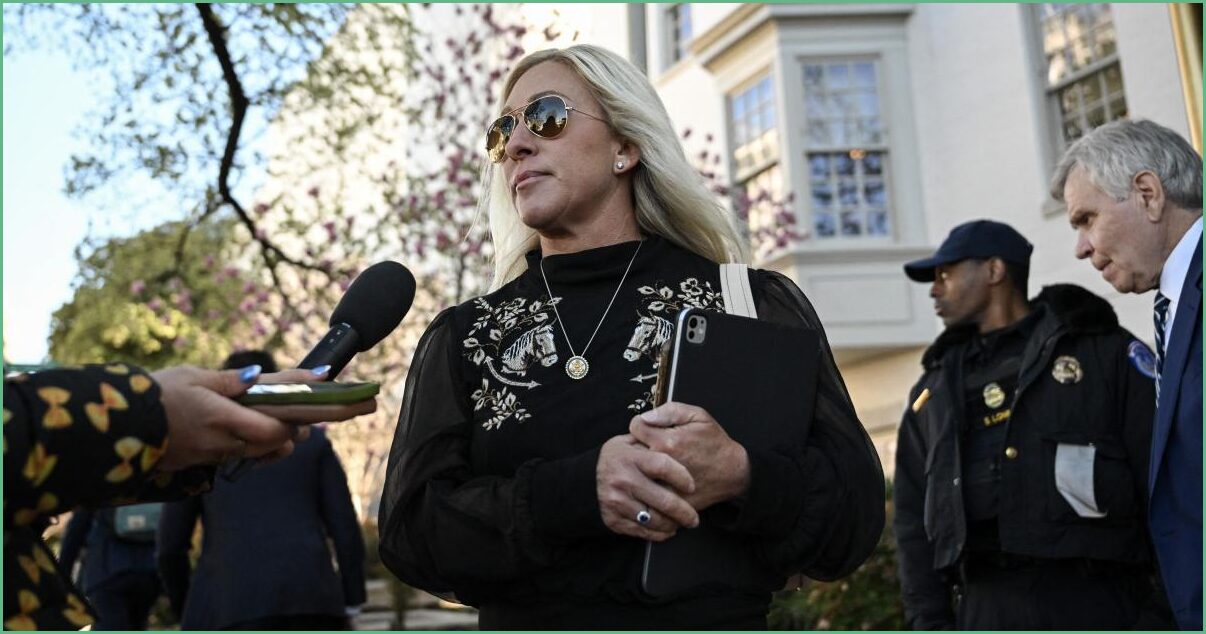
House Speaker Mike Johnson stepped into a rising intra-party fight after Rep. Marjorie Taylor Greene publicly blasted the GOP over healthcare costs and looming Obamacare subsidy expirations. He says he reached out by phone to calm tensions and move the debate into negotiations instead of headline wars. The timing matters because subsidies could lapse at year end while parts of the government remain closed.
Johnson framed the call as constructive and explicitly offered Greene a way to shape policy rather than simply criticize it from the sidelines. His outreach signals a desire to convert public anger into draftable proposals instead of letting the caucus fracture. That approach is part political management and part an attempt to produce a bipartisan path forward.
“I had a thoughtful conversation with her on the phone the other night,” Johnson told host Shannon Bream on “Fox News Sunday.”
Greene has been blunt about leadership’s perceived failure to produce a plan to prevent subsidies from expiring or to blunt rising premiums. She has demanded answers and pushed leadership publicly, arguing that voters are already feeling the effects of higher health costs. That level of public pressure forced leadership to respond quickly.
“Not a single Republican in leadership talked to us about this or has given us a plan to help Americans deal with their health insurance premiums DOUBLING,” Greene posted to X.
Her criticisms lean on numbers and local stories that resonate with swing voters and small-business owners feeling squeezed. “The issues of the subsidies are real. It’s not something that anybody can say is made up,” Greene told The Hill last week. “Also, people with regular or private plans, their premiums are looking to go up a median of 18 percent, that’s brutal. I know a lot of small business owners, like a family of four, and they’re paying $2,000 a month.”
She said Republicans have “got to get real and actually come up with a solution.”
Johnson pushed back by noting the conference has policy options ready to move, blaming stalled funding votes for blocking the pathway to implementation. He stressed Republicans have “hundreds of ideas literally on the table” to lower healthcare prices while arguing Democratic votes against funding bills are the main obstacle to turning proposals into law. That stance keeps the focus on process and on convincing voters the party is serious about results.
To reduce internal friction and improve outcomes, Johnson offered to fold Greene’s voice into committee talks and negotiating rooms where concrete language is written. “Marjorie does not serve on those committees so I offered to have her come in the room and be a part of that discussion if indeed she wants to do that,” Johnson said. In practical terms that invitation turns criticism into input and gives Greene a route to shape the text.
From a Republican policy perspective the emphasis remains on market-friendly tools: competition, price transparency and targeted reforms aimed at bringing down premiums rather than permanent expansions of subsidies. Johnson’s strategy is to keep the conference together, present real options to voters, and avoid public splits that hand Democrats messaging wins. If conservatives can translate pressure into proposals, this could be a moment where internal urgency produces policy changes.
The next steps are procedural and immediate: committee sessions, negotiation drafts and votes if there is an agreed path. Bringing a prominent critic into the room is a conservative management move that could produce fixes without capitulating to broad entitlement expansions. For now Johnson has put inclusion on the table and is betting that moving from rhetoric to work will yield better outcomes.

