

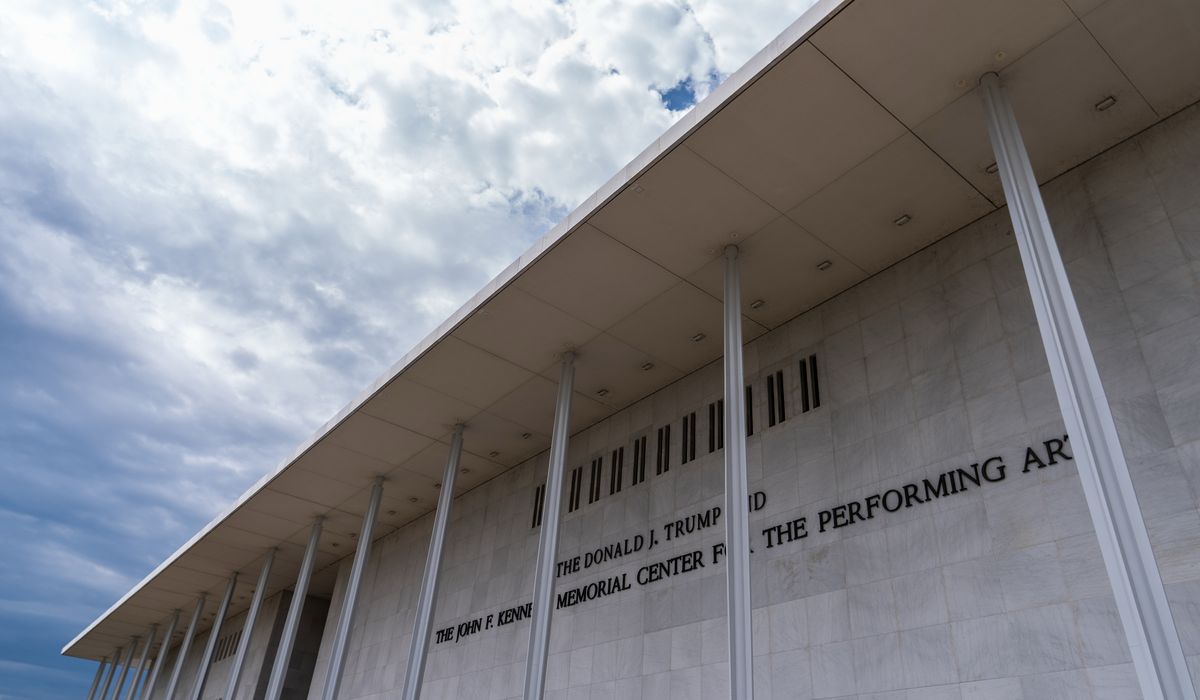
A federal judge paused a presidential plan affecting the Kennedy Center and ordered that the center remove President Trump’s name, setting off a clash between executive decisions and judicial intervention.
A federal judge hit pause on President Trump’s plans to close the Kennedy Center for two years of renovations, and ordered the center to remove Mr. Trump’s name, too. That one line has put a high-profile institution, the presidency, and the courts into a direct confrontation that will play out in public and in briefs.
The immediate impact is practical and symbolic. On the practical side, a shutdown for two years would have disrupted seasons, staff contracts, and long-term programming for a national cultural landmark. Symbolically, forcing the removal of an occupant’s name from a national institution touches on how we honor public figures and how quickly those honors can be rescinded.
From a Republican perspective this decision raises questions about judicial reach into executive decisions and the politicization of public honors. Presidents often make calls on facility upgrades and branding tied to their initiatives, and sudden reversals by courts can unsettle governance. The concern is not about whether institutions can be improved but about preserving clear rules so actions by one administration are not undone without due process.
There are competing principles at stake: respect for legacy and donor intentions versus accountability and rule of law. Supporters of the judge’s order will say oversight is necessary to prevent misuse of public assets or unchecked executive power. Critics will argue that the remedy used here sidesteps the democratic process and substitutes a judge’s preference for settled procedures and agreements that involved many stakeholders.
Longer closures for renovation are routine when major repairs or updates are needed, and they can be justified on safety and preservation grounds. But shuttering a prominent venue for two years has real consequences for the arts community and for taxpayers who may end up shouldering costs. Republicans who value efficient government will watch the financial and administrative fallout closely and ask whether this solution was the least disruptive option available.
The order to remove a president’s name is especially delicate because names on public buildings carry political, cultural, and personal weight. Removing a name can be seen as an erasure of an era or an attempt to rewrite recent history. That feeds a broader debate about how and when institutions should revisit naming decisions and who gets to decide the standards that govern those reversals.
What happens next is likely to be a legal back-and-forth, with appeals and motions that test statutory authority and the scope of the judge’s injunction. Courts will have to balance immediate harms against longer term rights and precedents. Republican voices will press for predictable rules that protect governance from abrupt judicial interventions while still allowing legitimate claims to be heard.
Beyond the courtroom, this episode will influence how future administrations approach naming, renovations, and public-private agreements with cultural institutions. Leaders who want lasting projects and visible legacies will factor legal risk into their plans. Meanwhile, institutions will have to navigate public sentiment, donor expectations, and the possibility that honors can be contested in ways that go far beyond ordinary review processes.
The broader takeaway for those watching is that institutions, politics, and the law are interlocked, and decisions made in one sphere spill into the others quickly. The Kennedy Center case will be watched not just for its immediate outcomes but for the precedent it creates about how we handle presidential legacies, public property, and the proper role of judges in disputes that touch national culture and memory.

