

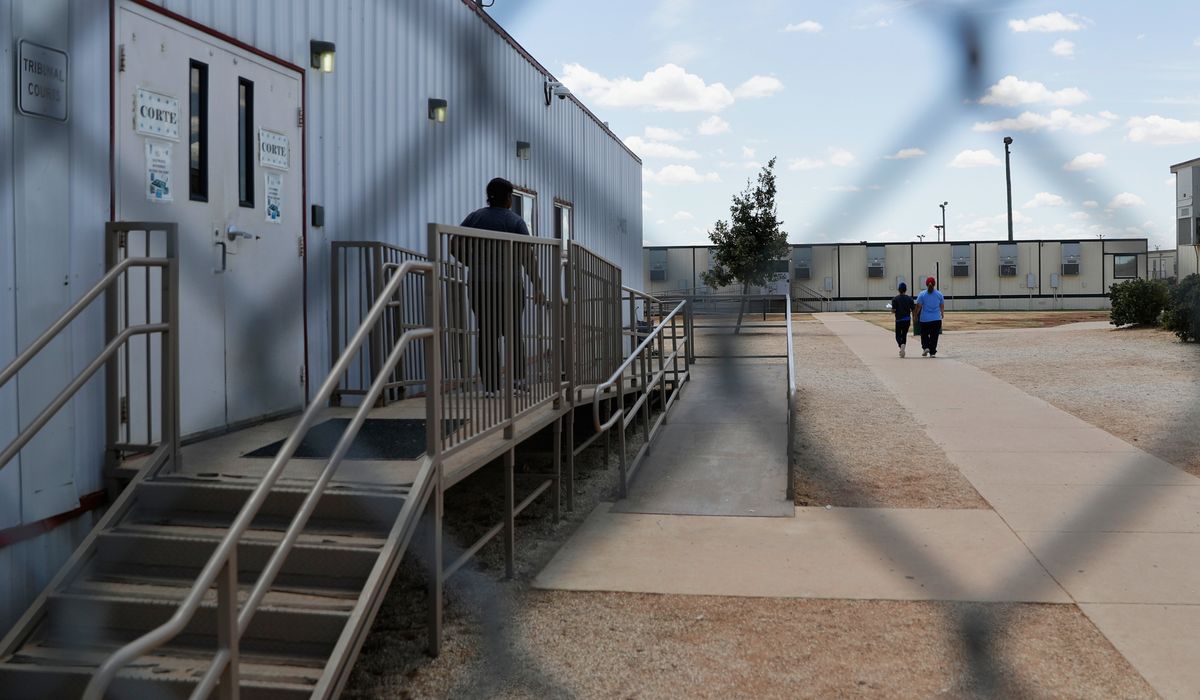
A federal judge on Thursday ordered the release from immigration custody of the family of a man charged in a fatal 2025 firebomb attack in Boulder, Colorado, against demonstrators supporting Israeli h
The judge’s order returned the family to the community after weeks in immigration custody, touching off a new round of legal and public debate in Boulder. The case centers on a deadly 2025 firebomb attack, and the newly released family members are tied by kinship to the person charged in that incident. Local authorities and federal immigration officials now face intersecting proceedings that will play out separately in criminal court and immigration hearings. Residents and advocates are watching closely as those processes move forward.
Immigration custody and criminal prosecution operate on different tracks, which is important to keep in mind. Release from immigration detention does not change the criminal charges against the accused individual, nor does it resolve the underlying investigation into the firebombing. A federal judge can weigh factors such as custody conditions, risk of flight, or procedural concerns when ordering release, and those considerations often look distinct from the criminal case itself. That split in authority can create confusion for neighbors and for victims seeking answers.
For the family, returning to the community brings immediate relief and fresh uncertainty. Freed from immigration custody, they may still face immigration hearings, monitoring, or restrictions depending on the court’s terms. At the same time, public scrutiny and safety concerns tied to the fatal 2025 attack will remain part of daily life in Boulder. The family’s release raises practical questions about where they will live, how they will interact with legal counsel, and whether local services will be available to support them.
Law enforcement agencies and prosecutors will likely proceed with the criminal case independently of the immigration outcome. Charging decisions, evidence review, and any upcoming court dates tied to the fatal firebomb attack will follow criminal procedures and timelines. Prosecutors can continue to present their case in state or federal court, and defense counsel will have opportunities to challenge evidence and pursue their own motions. Those parallel tracks mean one court’s order does not foreclose action in the other.
Judicial orders like the one in Boulder often invite appeals or motions from governmental agencies that disagree with the release. Immigration authorities may seek to revisit detention decisions or to impose alternative conditions, while civil liberties groups sometimes push back against prolonged detention on due process grounds. That push and pull is a familiar feature of cases where immigration enforcement overlaps with violent crime allegations, and it often leads to additional hearings and legal filings.
Community response is likely to remain mixed, especially given the charged nature of the attack and its target of demonstrators supporting Israeli causes. Some neighbors and activists may welcome the family’s release as a humane step for non-accused relatives, while others will see it as premature or concerning given public safety fears. Local leaders face the challenge of balancing those viewpoints while ensuring proper coordination between immigration officials, law enforcement, and social services. Managing public information carefully will be essential to avoid speculation and escalation.
Legal experts note that the next phases will clarify what the release actually means for each person involved. Immigration proceedings can take months or years, and criminal trials also move at their own pace, often with procedural delays and evidentiary battles. The courts will be the primary forum to sort through custody issues, potential deportation claims, and the questions of criminal responsibility tied to the fatal 2025 firebomb attack. Until those processes advance, many facts will remain subject to formal proof.
In the weeks ahead, expect filings, court appearances, and continued public attention as both sets of proceedings proceed. Officials will have to navigate confidentiality, victims’ rights issues, and the legal protections afforded to the accused and their relatives. As the situation unfolds in Boulder, the community will watch how the separate legal systems handle a case that combines violence, immigration, and intense public concern.

