

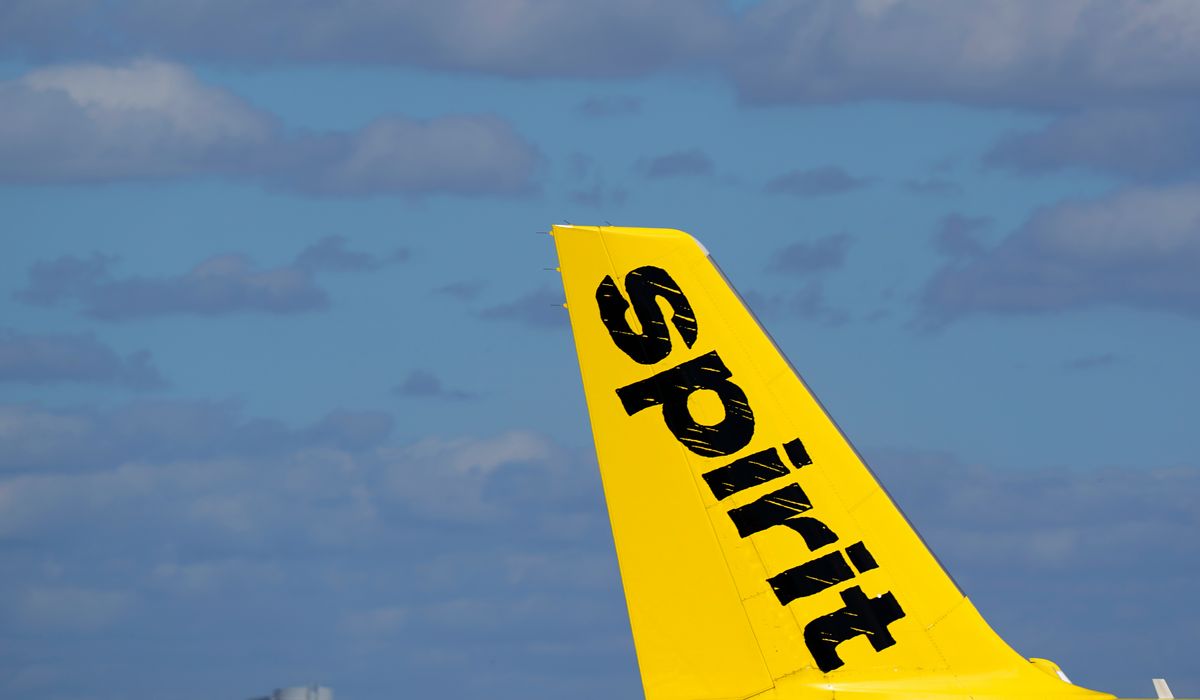
President Donald Trump said Thursday that he was weighing a taxpayer-funded takeover of Spirit Airlines with the intent of reselling the struggling budget carrier after oil prices drop. The proposal sketches a short-term public purchase timed to a future market shift in fuel costs, with the apparent goal of selling the airline once its value improves.
Spirit Airlines has been under pressure in a brutal post-pandemic market where low fares and slim margins collide with volatile fuel costs. The carrier’s model depends on keeping unit costs extremely low, which makes it especially sensitive to spikes in jet fuel and interest rates. Investors and executives have been searching for ways to shore up liquidity while retaining Spirit’s ultra-low-cost identity.
President Donald Trump said Thursday that he was weighing a taxpayer-funded takeover of Spirit Airlines with the intent of reselling the struggling budget carrier after oil prices drop. That exact framing puts timing and resale front and center: buy low, wait for fuel-related costs to fall, then sell the operation back into a healthier market. It’s a transactional approach rather than a long-term nationalization.
From a Republican perspective, the appeal is straightforward: use leverage to protect jobs and competition while returning value to taxpayers. A temporary government acquisition, structured as an investment with clear exit conditions, could prevent a disorderly collapse that would concentrate market power among dominant carriers. If handled properly, the public should exit the deal with the same or better financial position than when it entered.
No policy move is without risk, and conservatives rightly demand strict guardrails. Any taxpayer purchase should come with immediate oversight, independent audits, firm timelines for resale, and penalties for management that fails to meet transition benchmarks. The goal should be to avoid ongoing subsidies and to prevent government from becoming a long-term airline owner.
Mechanically, the plan relies on timing: valuation dips when jet fuel is high, then improves as input costs ease. That gives a window for a public buyer to secure assets cheaply and invest in short-term fixes like improving reliability, shoring up staffing, and renegotiating contracts. A later resale would ideally attract private buyers who want the route structures and the brand at a normalized cost basis.
There are market and legal hurdles to consider. Antitrust reviews, creditor negotiations, and labor contracts complicate any fast purchase and flip. A Republican approach would push for private-sector partners in any transaction, keeping taxpayers as a backstop rather than the long-term owner. Clear metrics and prompt divestiture plans are essential to maintain political and financial credibility.
Politically, this will spark debates across the aisle about the proper role of government in markets, but it also speaks to voters who care about affordable travel and airline competition. Republicans can argue for a limited, accountable intervention that preserves consumer choice and puts the burden on potential buyers to compete for the asset at market prices. Expect a showdown over oversight details, timing, and the mechanics of how taxpayers are protected.
Operationally, the clock will be driven by changes in oil prices and credit markets, not by political calendars alone. That makes transparency nonnegotiable: each step should be documented and reported so the public understands how taxpayers are being positioned to get a return. If the plan proceeds, regulators, labor, and investors will all have to move quickly to convert a short-term rescue into a disciplined, market-driven sale.

