

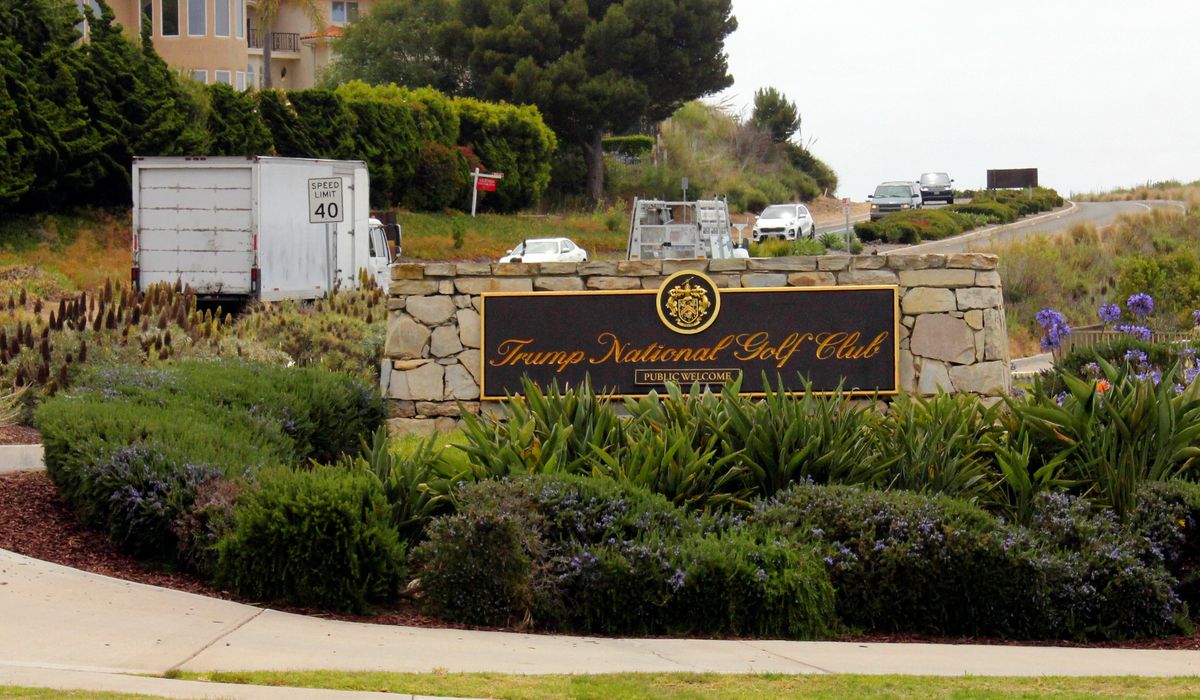
A judge on Wednesday put a hold on criminal charges after a former U.S. Marine was arrested at President Donald Trump’s Los Angeles-area golf course with ammunition and a gun in his vehicle.
The court move paused the case while officials sort out the legal and factual questions surrounding the arrest. The man involved is a former U.S. Marine who was taken into custody after a vehicle search turned up a firearm and ammunition at the golf course. Local authorities and prosecutors now face a window to review how the arrest and evidence were handled before deciding the next steps.
Details released so far are limited, but the suspension of charges suggests the judge saw reason to delay prosecution. That can happen for multiple reasons, including challenges to search procedures, chain-of-custody questions, or the need for additional investigation. Whatever the specific trigger, the pause buys time for defense lawyers and prosecutors to address gaps without rushing a criminal case forward.
From a Republican perspective, this is a reminder that the justice system should not be a blunt instrument used for headlines. When high-profile locations and politically charged names are involved, courts must be careful and follow the law strictly. Protecting defendants’ rights and ensuring evidence is admissible are basic safeguards that matter more than the optics of a quick conviction.
Private property like a presidential golf course has its own security dynamics, and law enforcement encounters there can be complicated. Secret Service or club security protocols may intersect with local police procedures in ways that make an arrest review necessary. That mix of authorities and rules can create legal gray areas where judges step in to clarify what evidence can be used in court.
Being a former Marine adds another layer to public reaction without changing the legal standard. Military service is respected and relevant to how communities assess an individual, but it does not automatically alter criminal charges. The court’s suspension keeps the focus where it belongs: on whether the case meets the standards required for a lawful prosecution.
Prosecutors still control whether charges will be refiled, amended, or dropped after the review finishes. They may dig deeper, seek additional warrants, or negotiate with the defense depending on what the investigation uncovers. For citizens watching, that means outcomes can shift as facts are clarified and legal issues are resolved behind the scenes.
Court pauses like this can also affect security practices at similar venues going forward. Clubs and event sites will reassess how they coordinate with police to avoid evidence problems that jeopardize prosecutions. Expect private security teams and local agencies to revisit training and procedural checklists to make sure any future arrests produce rock-solid cases.
There’s a political angle, too, because anything tied to President Trump or his properties gets amplified. Republicans should insist on fair process while pointing out that legal proceedings must be driven by evidence and law, not by the news cycle. That balance protects both public safety and individual liberties.
For the man involved, the immediate outcome is uncertainty until the prosecution completes its review and the judge rules again. He remains under the cloud of the paused charges, but the suspension creates time for legal counsel to challenge the case where appropriate. How quickly the matter resolves will depend on whether investigators can shore up the record and whether the court accepts the steps taken.
Ultimately, this episode underscores the need for careful procedure when arrests happen in high-profile places. The courts exist to sort through complexity, and temporary pauses are part of that process. Observers will be watching to see if prosecutors proceed with a tightened case or decide the problems are too significant to continue.

