

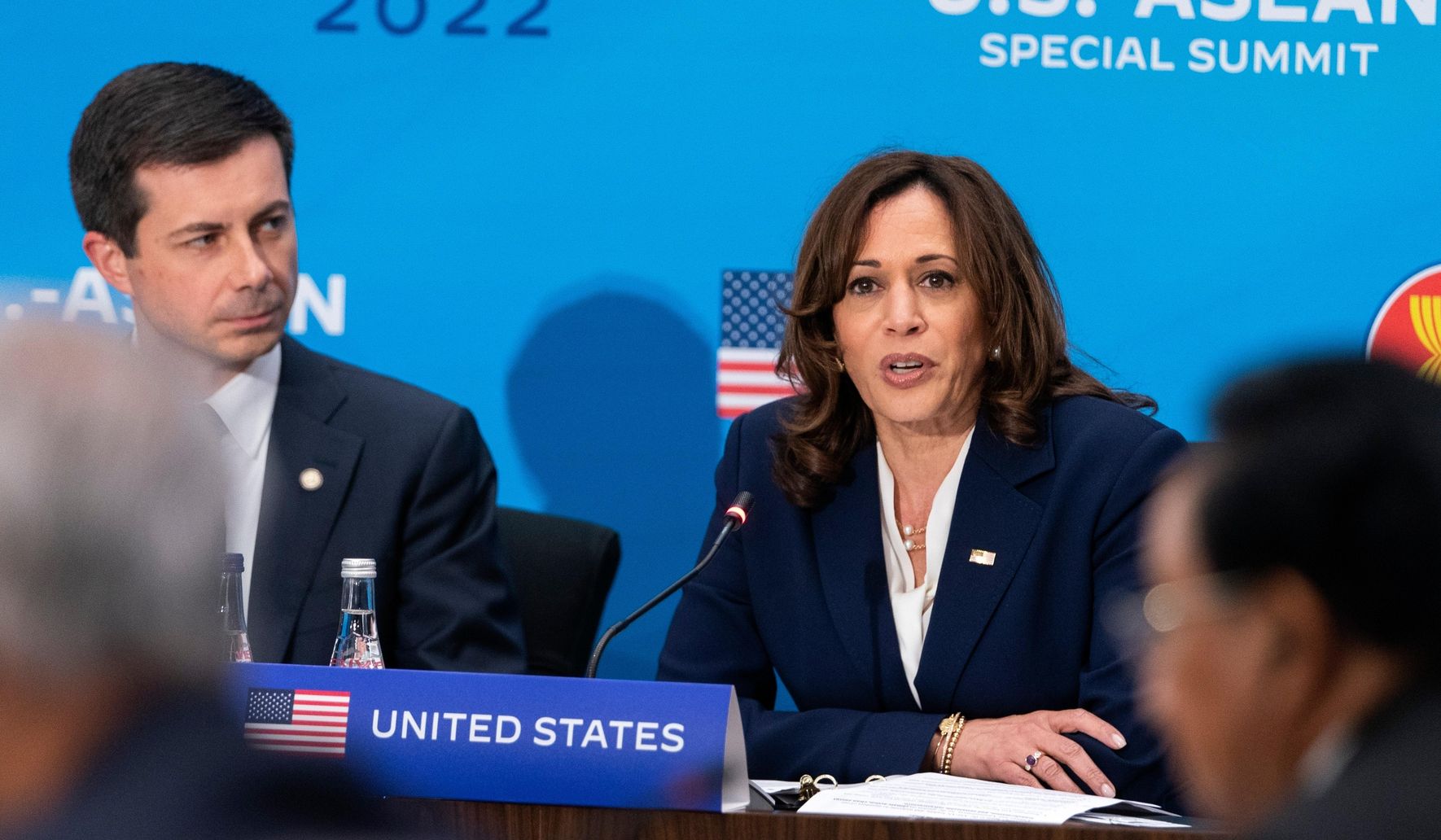
Former Vice President Kamala Harris suggested she’s not completely against the idea of running for president in the future. This piece looks at what that hint means, the political context, how Republicans are likely to respond, and the practical factors that would shape any future run. It breaks down messaging, electability questions, and the likely scramble on both sides of the aisle without claiming to predict the next nominee.
Former Vice President Kamala Harris suggested she’s not completely against the idea of running for president in the future. That short line carries outsized weight because it signals persistent ambition after a term that drew mixed reviews from voters and constant media attention. Republicans see that hint as a sharp reminder that Democrats may field familiar names rather than fresh faces, and they plan to use past missteps to shape the narrative.
Republicans will frame any Harris bid around performance and policy, not personal attacks, and emphasize record and results. They point to issues like high inflation, porous borders, and crime in many cities as reasons to challenge the Democratic record aggressively. Messaging will focus on competence and clear contrasts in leadership style to persuade swing voters who want steady management over political theater.
On the Democratic side, a Harris candidacy would force a practical reckoning about unity and electability. Party leaders will have to weigh loyalty against polling and the need to win toss-up states, which often hinge on suburban and working-class voters. If polls show lingering negatives, Democrats might prefer a different standard-bearer who can improve the party’s odds with those crucial constituencies.
Fundraising and organization are another hurdle any hopeful candidate must clear, and Harris already has name recognition to build from. Still, money flows where momentum does, and the GOP plans to contest that early advantage by targeting donors with tight, data-driven arguments about who can beat the opposition. In modern campaigns, money buys early infrastructure and messaging control, so both parties will race to lock down donor confidence.
Media coverage will amplify every gaffe and every triumph, and Republicans are prepared to exploit that. Strategic communications will highlight policy failures and question judgment while offering a sober alternative focused on jobs, energy, and border security. The aim will be to keep the spotlight on tangible pocketbook issues rather than personality contests, appealing to voters tired of Washington noise.
Electoral math matters, and analysts on both sides will parse 2024 and midterm trends for clues. Republicans will point to gains in suburbs and among certain working-class groups as evidence that change is possible even with high-profile Democratic figures in the race. Meanwhile, Democrats will argue that the electorate is volatile and that a contested primary could produce a candidate better positioned for national appeal.
Ultimately, a future bid from Harris would kick off an intense matchup that centers around competence, record, and vision for the country. Republicans expect to lean into concrete policy contrasts and avoid getting drawn into purely personal fights, instead offering a clear choice on governance and national priorities. The practical question for voters will be whether they prefer continuity with Democratic leadership or a change toward conservative stewardship on economy and security.

