

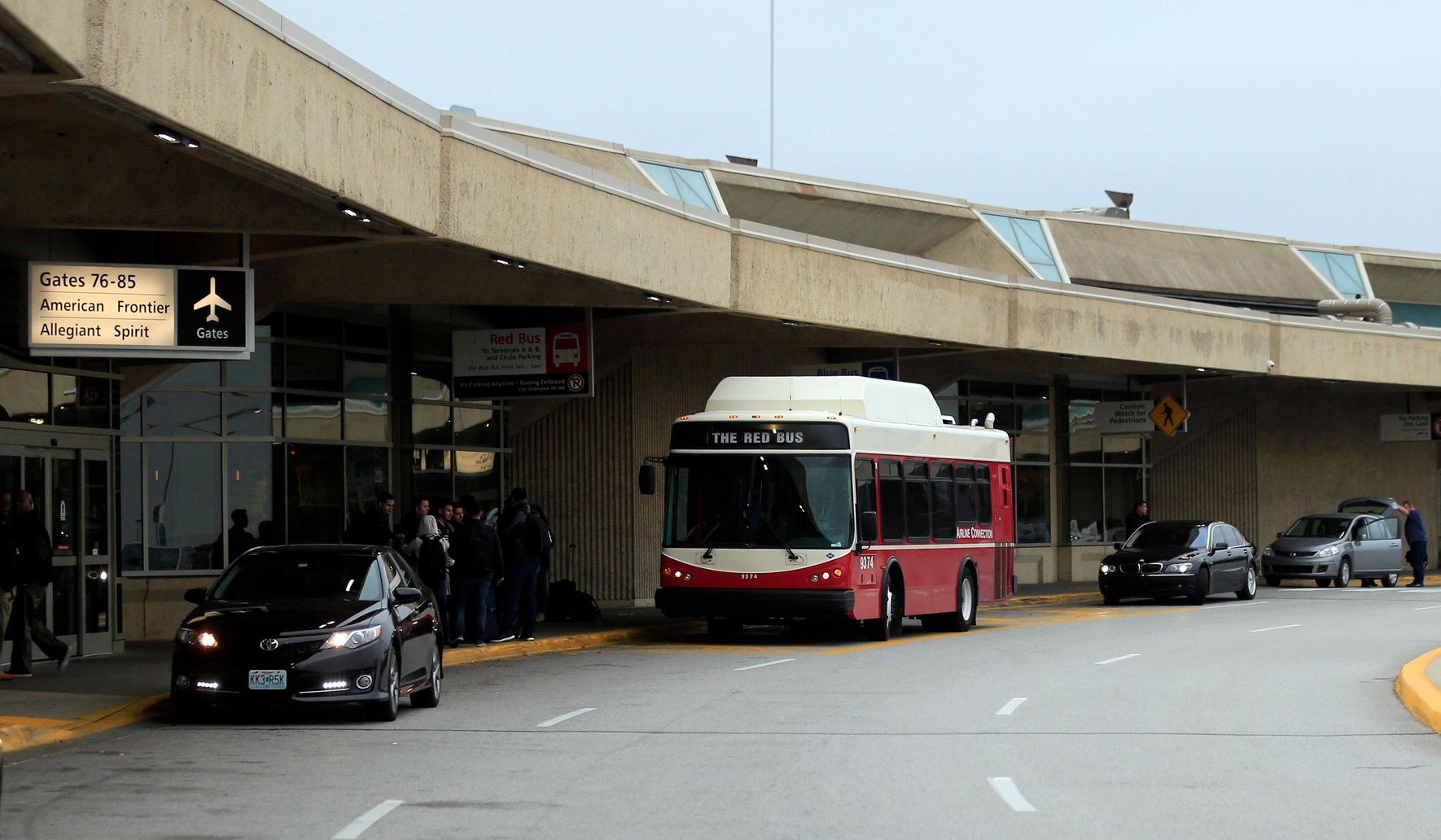
The Kansas City International Airport terminal reopened Sunday afternoon after a brief evacuation while authorities checked out a possible threat, and the airport resumed operations once officials cleared the scene.
The Kansas City International Airport terminal reopened Sunday afternoon, hours after it was evacuated while authorities looked into a potential threat, the Kansas City Aviation Department said. Travelers and workers were asked to leave the terminal while law enforcement carried out an on-site investigation. Airport staff worked to move people safely away from the area and to establish a controlled perimeter until the situation was resolved.
Witnesses described a sudden halt to normal activity as public address announcements and law enforcement instructions redirected passengers. Many people gathered in nearby parking areas or inside ground-level facilities, waiting for updates and checking transportation options. Staff maintained communication with airline partners to manage delayed flights and provide information to affected customers.
Security teams coordinated with multiple agencies to evaluate whatever prompted the evacuation, following established protocols for potential threats. Those procedures typically include a physical sweep of the terminal, interviews with witnesses, and a reassessment of surveillance footage. Officials balance the need to clear the area with the goal of minimizing disruption, moving deliberately until they can confirm safety and reopen the space.
From an operational perspective, even short closures ripple through schedules, affecting inbound and outbound flights and the flow of ground services. Airlines may hold planes at the gate, delay departures, or reroute crews depending on how long the terminal remains restricted. Passengers can face missed connections and longer waits, which is why staff focus on rebooking options and timely updates as soon as the area is deemed safe.
For employees who stayed during the incident, the priority is keeping people informed while following instructions from law enforcement. Training for unusual events emphasizes clear roles and rapid communication, helping ground crews, ticketing agents, and concessions staff respond in a coordinated way. That training also extends to managing customer expectations and assisting travelers with immediate needs like shelter, food, or transport when normal services are interrupted.
Local residents and travelers rely on Kansas City International as a regional hub, so any interruption draws attention beyond the terminal itself. Neighbors and officials watch closely when public spaces are evacuated, and authorities often release brief updates to calm concerns without compromising an ongoing investigation. The Aviation Department’s public statement aimed to confirm reopening while acknowledging the precautionary measures that had been taken.
After officials completed their checks, the terminal returned to service and screens began showing normal gate information and boarding calls. Cleaning crews and maintenance teams then moved in to restore areas that had been secured, ensuring the space met operational standards before full passenger flows resumed. Even with a swift reopening, some residual delays and customer service needs persisted as staff worked through the backlog created during the closure.
Events like this reinforce the routine of preparedness at busy transport hubs and the importance of following official guidance when asked to evacuate. Authorities continue to review what happened and how the response played out, while travelers who were affected look for follow-up notices from airlines and the airport. The Aviation Department’s announcement marked the physical reopening of the terminal and signaled a return to normal activity for most users that afternoon.

