

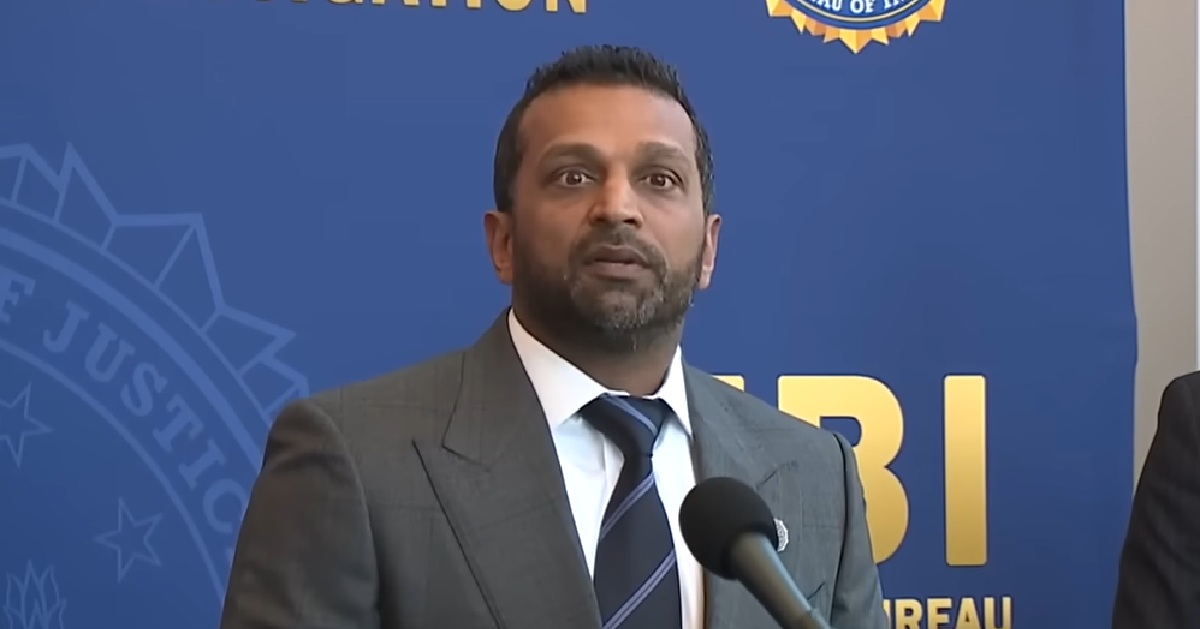
FBI Director Kash Patel has moved to remove multiple agents tied to investigations of President Donald Trump, including as many as eight personnel across Atlanta, New York, New Orleans, and Miami, and has publicly condemned the so-called “Operation Arctic Frost” and related internal conduct.
Kash Patel’s personnel shakeup reportedly affected the special agent in charge in Atlanta and the acting assistant director of the New York field office, along with a former special agent in charge in New Orleans who had been reassigned and up to six agents in Miami. Those numbers and positions feed a clear message: leadership wants to reset how politically sensitive cases are managed. For Republicans and conservatives watching, this reads as an overdue cleanup of an agency that too often felt insulated from consequences.
The controversy centers on “Operation Arctic Frost,” an inquiry that surfaced in 2023 through court filings and prosecutor comments and focused on classified materials taken from a former president’s residence. Critics argue the probe drifted from criminal fact-finding into political theater, and Patel has publicly highlighted what he sees as evidence of wrong priorities inside the bureau. He has painted the operation as symbolic of a culture that rewarded its own operatives rather than safeguarding impartial justice.
Patel underlined the issue by pointing to a trophy allegedly created to celebrate the operation, calling it a sign of internal arrogance and misplaced priorities. He framed the ceremony around that trophy as cultural rot, saying, “People ask why I said the old FBI was a diseased temple. This is what corruption looks like when it thinks no one is watching: A self-awarded trophy celebrating Arctic Frost, made by FBI officials.” That kind of language purposely dramatizes the problem and makes a political case for deeper reforms.
President Trump had already set a combative tone by urging a sweep of the bureau’s ranks on his own platform, tying his complaint to reports about officials who pushed the Arctic Frost inquiry. He wrote, “These FBI Agents are total Scum, in their own way no better than the insurrectionists in Portland, Minnesota, Los Angeles, etc. Kash better get them out, NOW!” Those words, harsh and direct, amplified pressure on Patel and gave legal and policy moves a clear political backdrop.
Patel’s steps included disbanding what he identified as “CR-15,” a unit tied to the contested phases of investigative work on the matter, and removing agents he says were connected to that effort. For supporters, dismantling CR-15 signals a return to mission-driven law enforcement instead of political targeting. Opponents warn this could chill aggressive inquiry or be used as a pretext for political purges, but the administration sees it as reasserting control and restoring public trust.
The debate now pits two central concerns against each other: restoring impartiality and avoiding politicization. Supporters argue the changes are corrective—an attempt to restore balance after years where decisions seemed influenced by internal groupthink or partisan incentives. Critics counter that abrupt staffing changes risk undermining ongoing investigations and could create an atmosphere where agents shy away from tough cases out of fear of being labeled political.
Beyond personnel, the episode raises questions about how federal investigations into public figures should be structured, reviewed, and overseen. If internal culture rewarded self-congratulation over restraint and accuracy, then reforms to oversight, chain-of-command transparency, and disciplinary standards are credible policy responses. For a Republican perspective, the priority is straightforward: recover an agency that enforces the law without acting as a political police force against opponents.
That said, the optics of firing agents tied to high-profile probes will always be contested. Removing key figures can be read as either necessary accountability or as settling scores, depending on your view of the underlying evidence. Still, Patel’s actions and rhetoric make clear he intends to shift the bureau’s posture and signal to both staff and the public that political bias will not be tolerated under his watch.
The broader fallout will hinge on whether these moves bring real procedural changes or merely reshuffle personnel while leaving the same incentives intact. Either way, the episode marks a turning point in how the FBI is managed and how Washington debates the balance between vigorous law enforcement and political neutrality. Expect continued scrutiny as independent reviews and internal documents get examined for evidence that will either validate or undermine the decision to purge these agents.


1 Comment
FBI,CIA,FEMA,ACLU,,,Virtually all the initial corporations are OWNED by Israeli globalists. Paid to be their slaves. They follow their synagogue of satan handlers orders. Pure EVIL!