

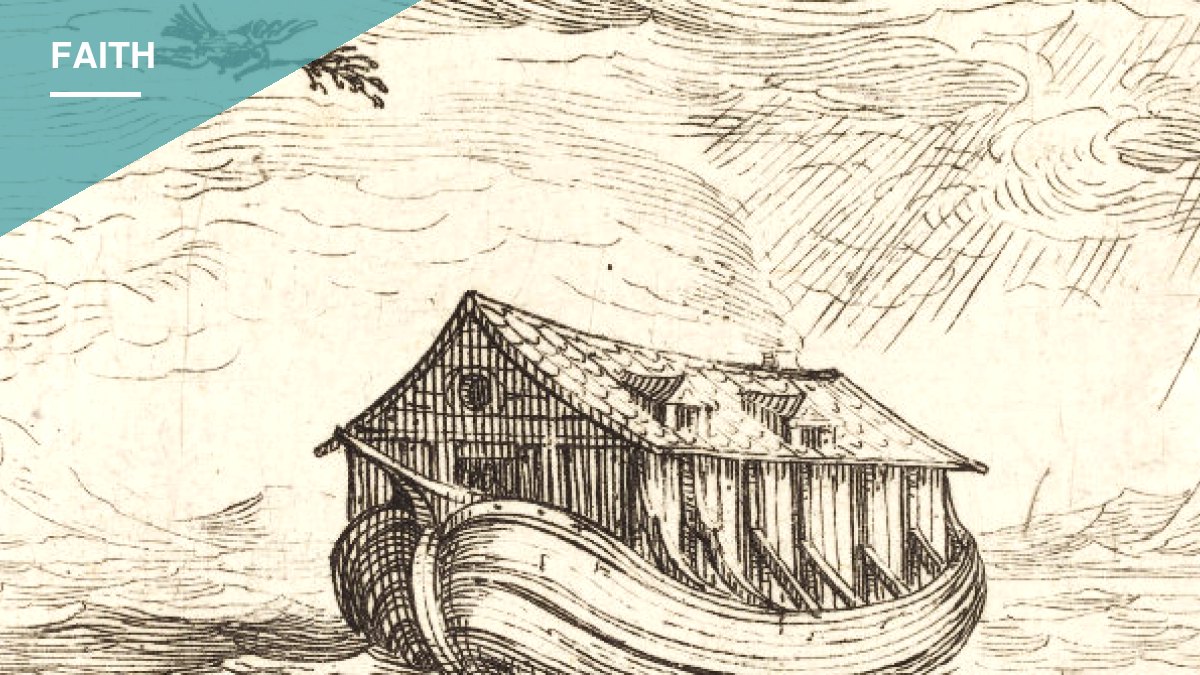
A Kentucky-based Christian ministry leader is urging skepticism about renewed claims that researchers may have located the remains of Noah’s Ark in Turkey, even as a research team continues drilling at a site near Mount Ararat.
Ken Ham, founder of the Ark Encounter attraction and Answers in Genesis, both based in Kentucky, said people should withhold judgment until solid evidence is produced. His comments, reported by World on Tuesday, respond to claims made by Noah’s Ark Scans, an American Christian research company.
“Ham urged caution amid those claims, made by Noah’s Ark Scans, an American Christian research company, arguing that Christians risked their own credibility when they exaggerated evidence,” World reported.
“Let’s see the actual data. After all, good science welcomes careful investigation,” Ham said in a video statement.
The caution comes as the Noah’s Ark Research Project marks a full year of drilling and soil collection at the Durupinar site, a boat-shaped formation near Mount Ararat that some believe marks the resting place of the biblical vessel described in the book of Genesis. Fox News reported Friday that the team has gathered hundreds of samples for laboratory analysis.
Andrew Jones, the project’s vice president, said the team used deep-core drilling for the first time this year, reaching more than 60 feet below the surface.
“That’s what we’ll be testing this winter. Just to see if we can find any type of man-made activity or something that suggests decayed wood,” Jones said.
Jones added that earlier results showed differences in soil composition that the team wants to investigate further. Aerial footage has shown the drilling site, though some geologists maintain the formation is natural rather than man-made.
Answers in Genesis, which operates the Ark Encounter attraction in Williamstown, Kentucky, describes Noah’s Ark on its website as the vessel “by which God spared a righteous man, Noah, and his family from God’s judgment against humanity’s wickedness,” built to specific proportions commanded by God to preserve Noah’s family and animal life through a global flood.
Despite decades of expeditions and various claimed artifacts, including wood-like formations and ancient remains, no discovery has produced conclusive, scientifically validated proof of the ark’s existence. Researchers continue to face obstacles including harsh weather, political instability in the region, and difficulty distinguishing credible findings from hoaxes.
Ham’s comments reflect a broader stance that faith and rigorous evidence should not be treated as opposing forces, and that premature claims risk undermining the credibility of future discoveries.

