

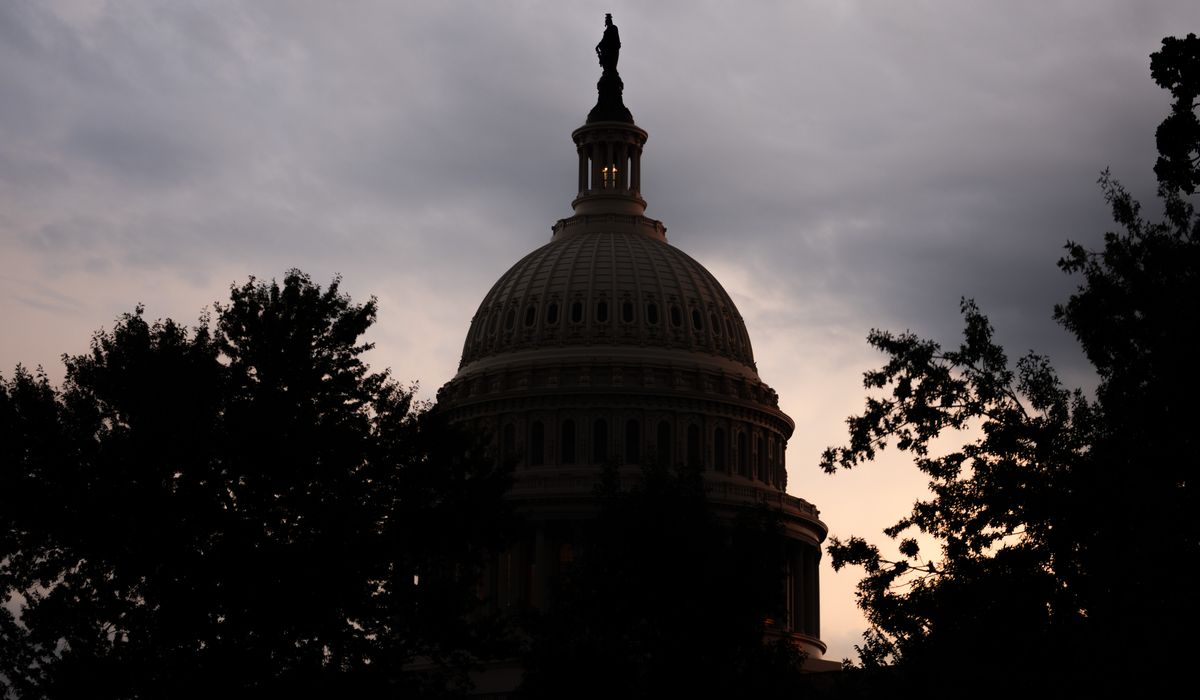
Senators unveiled a short-term spending plan meant to push federal funding past the midterm elections and into early December, aiming to sidestep a shutdown while negotiations continue.
Key senators rolled out a temporary spending measure on Sunday intended to keep federal agencies running after the midterms and through early December. The move buys time for broader budget talks and avoids a last-minute scramble at month end. Republicans made clear they want leverage, not a blank check, as part of the bargain to extend funding.
On the Senate floor and behind closed doors, Republican leaders framed the short-term bill as a practical tool to prevent a shutdown without surrendering core priorities. They stress that short extensions let Congress negotiate with the calendar on their side. That calendar is important for strategy, committee work, and keeping pressure on Democrats to agree to spending reforms.
Republicans argue the best outcome is responsible restraint, not open-ended funding increases. They are pushing for a stopgap that maintains essential operations but preserves leverage to demand spending discipline in the next round of talks. For many conservatives, the priority is trimming waste and protecting core functions like defense and border security.
Democrats, meanwhile, pushed for broader settlements and protections for social programs, creating a tug of war over the text and timing of the extension. Both parties know a shutdown is politically costly, so compromise on a temporary measure looks inevitable. Still, Republicans insist any deal must include commitments to future negotiations on overall levels and policy riders.
Staff on both sides worked quickly to draft language that avoids big policy fights but keeps options open for later. Short-term funding almost always includes continuing resolutions that mirror current fiscal year levels. That approach avoids sudden cuts but also freezes spending, which Republicans see as a useful tool to force bigger choices later.
Conservative senators warned they will resist provisions that lock in long-term increases without offsets. They argued the Senate must use the extension to set the stage for spending caps and reforms. Several Republicans voiced concerns about letting federal agencies operate on autopilot while unchecked spending continues.
Another Republican aim is to protect national defense and border priorities from being sacrificed in a hurry to avoid a shutdown. They want stable funding for troops and tighter measures for controlling the southern border. The short-term bill is a way to prevent harm to those programs while the larger debate over fiscal policy continues.
House Republicans face their own challenges, balancing a conservative base demanding tough negotiating positions and the political reality of keeping the government open. Leadership must thread the needle between hardline demands and the practical need to avoid blaming their party for a shutdown. The short-term bill gives the House time to line up votes and coordinate with Senate counterparts.
While the public dislikes shutdowns, voters also care about fiscal responsibility and outcomes that affect their daily lives. Republicans intend to use the extra time to make the case that spending restraint leads to better governance. That argument is central to their messaging heading into the next set of budget talks.
Lawmakers now have a brief reprieve to negotiate details on spending ceilings and policy riders without the immediate threat of shuttered services. The extension is tactical: avoid a shutdown now, force bigger fights later, and try to secure wins on conservative priorities. The coming weeks will test whether that tactic yields meaningful reforms or simply delays the same old disputes.

