

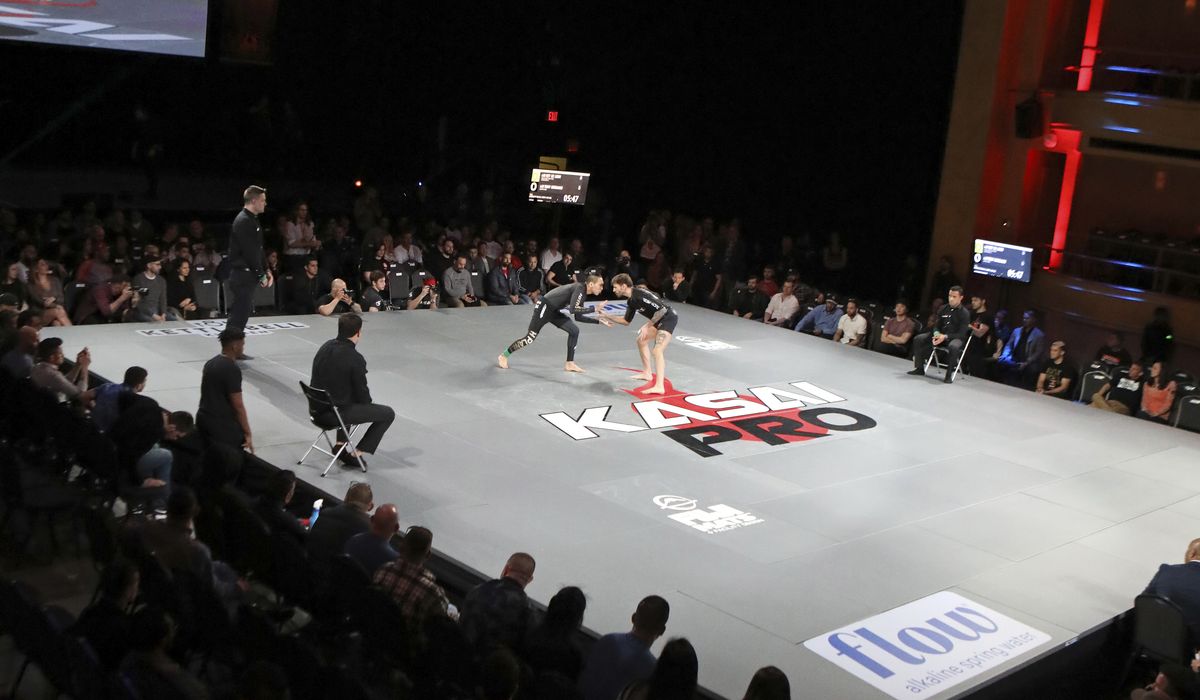
A Kuwaiti jiu-jitsu gold medalist refused to shake hands with an Israeli bronze medalist after a medal ceremony, declaring, “We do not play with these types. We do not respect these types.” The incident drew attention for mixing sports, personal conviction, and international tension in a very public moment. Reactions focused on sportsmanship, rules, and the wider meaning of that gesture on the mat and beyond.
The image of two athletes sharing a podium but not a handshake is stark and hard to ignore. In contests where respect and ritual are part of the ritual, the refusal stands out as a deliberate breach of expected behavior. It raises immediate questions about how competitions balance personal views with codes of conduct that are meant to keep sport neutral and respectful.
Medal ceremonies are choreographed moments meant to honor performance, not to become political stages. When an athlete refuses a handshake, it punctures that choreography and places organizers in the uncomfortable spot of responding. Organizers must then weigh the athlete’s rights, the sport’s rules, and the expectations of fans from around the world.
The quoted line, “We do not play with these types. We do not respect these types,” captures a strong and absolute stance that leaves little room for ambiguity. Words like that are powerful because they turn a brief competitive encounter into a statement with wider implications. Whether intended as a personal protest or a cultural expression, the remark resonates beyond the podium.
Sports bodies usually have clear rules about conduct, and they have set precedents for when gestures cross a line into unsportsmanlike behavior. Enforcement varies: some infractions prompt fines or suspensions, others result in warnings or press releases emphasizing respect and neutrality. The consistency and transparency of any disciplinary action shape public trust in the governing body.
For fellow athletes, the incident can be destabilizing. Many competitors prefer to keep politics and sport separate so that performance speaks for itself. Yet athletes also come from varied backgrounds with personal convictions that sometimes surface in heated or symbolic moments. Coaches and national federations often face pressure to address such incidents firmly to protect athletes and the sport’s reputation.
Spectators react on several levels: some view the refusal as an expression of principle, others see it as bad manners that spoil a universal sporting ritual. Social media amplifies both reactions, making a short live moment stretch into days of commentary and debate. The simplest handshake becomes a flashpoint that invites wider cultural and diplomatic scrutiny.
International competitions depend on predictable behavior and mutual respect to operate smoothly across different national customs. A single act on the podium can force diplomats and officials into damage control, especially if the event attracts high profiles and broadcast attention. That pressure often leads to statements urging calm and a return to sport-focused discussion.
Historically, there have been several high-profile moments where athletes declined traditional gestures, and each case has been handled differently depending on context and pressure. Some governing bodies have used those moments to clarify etiquette and strengthen codes of conduct, while others have chosen mediation or quiet censure. Consistency in response matters for setting future expectations.
From a sporting perspective, the core issue is how to maintain fair competition and mutual respect while recognizing individual freedoms. Rules exist to protect the integrity of events and to ensure that athletes are judged only by performance. When personal beliefs visibly interfere with ceremonial norms, organizers must decide how to uphold both the rules and the rights of competitors.
The broader conversation touches on the role of sport as a bridge between cultures versus its role as a space for individual expression. Some view sporting stages as rare opportunities for peaceful interaction that can soften hostilities, while others insist that athletes should not be asked to compromise deeply held convictions. That tension is not new, but every incident rekindles the debate.
Ultimately, the image of two medalists sharing a podium but not a handshake will sit in the public record as a moment where competition, identity, and context collided. How governing bodies, peers, and the public respond will shape the immediate fallout and set a tone for how similar incidents are handled going forward. The question left hanging is how sport can preserve its rituals while respecting the complex realities its participants bring to the field.

